
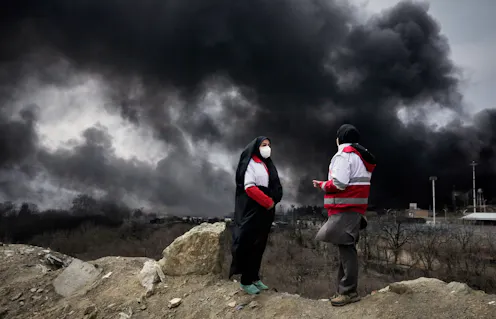
Studying the economics of war reveals how some democracies start wars and commit human rights abuses while corporations profit.
Business + Economy – Articles, Analysis, Comment
Displaying 151 - 175 of 2211 articles
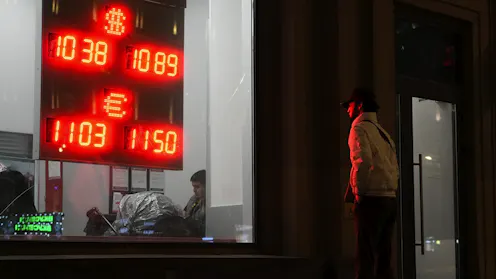
Cut off from the world’s main financial messaging system, Russia turned to a domestic alternative. But research shows it fell far short of replacing the global financial network.
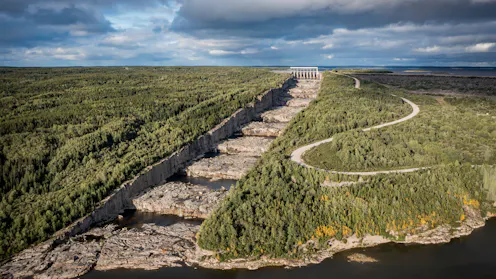
In the face of the energy transition, producing energy will be much more expensive than energy efficiency, which is still largely under-exploited.

Surgeons are often judged by their technical skill. But new research shows that how they lead their teams can make a critical difference to patient outcomes.

Long before today’s decline in alcohol consumption, rum played a central role in Canada’s economy, shaping labour relations in the fisheries and fur trade.

Recent geopolitical events have raised concerns about international travel, leaving many uncertain about the safety of visiting some countries.
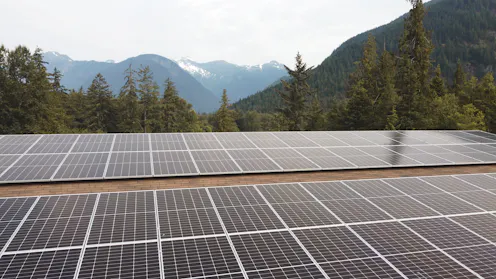
Indigenous-owned renewable energy projects are growing quickly in Canada. New research suggests they could enable widespread acceptance of energy transitions.
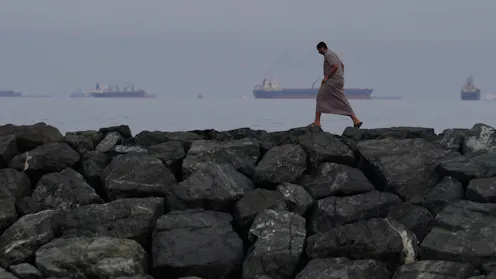
Rising tensions between the United States, Israel and Iran have sent oil prices surging. While households and governments face higher costs, parts of the fossil fuel industry stand to gain billions.

It’s common for early career professionals to assume that HR functions like a neutral mediator designed to resolve workplace disputes, but it’s important to understand this isn’t the case.

At binz stores, surplus goods move downstream through a hidden retail ecosystem, giving products a second life and shoppers the chance to stretch their dollars.

Rural regions need skilled graduates and for international students studying there to stay and work. Housing and employment security are key in factors in whether this is viable.

Oil shocks create winners and losers, but the Canadian dollar no longer softens the blow the way it once did.

With robust governance frameworks, AI-enabled technologies have the potential to make high-risk workplaces safer.

The Strait of Hormuz is one of the world’s most important economic chokepoints, and it has just been closed off by the conflict in Iran.

China accounts for more than 80 per cent of global battery production. It’s highly unlikely the U.S. can reduce China’s role in the production and processing of critical minerals.

Self-control is a valuable trait, but when we assume it comes effortlessly to those who demonstrate it, we risk burning out the people we depend on most.
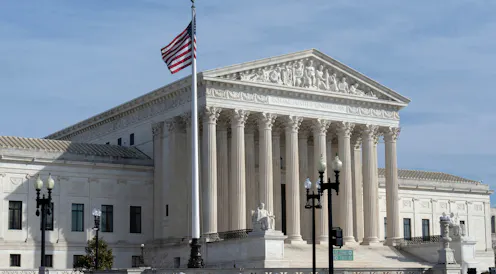
Equating controversial or legally contested executive actions with the collapse of 250 years of constitutional democracy risks conflating the overreach of a singular president.

Policymakers should recognize open banking as part of Canada’s response to economic abuse and small business resilience, not only as a competition or financial sector reform.

If fair and equitable pay is truly a Canadian value, attention to wage inequality cannot stop at gender.

Canada can draw lessons from its centuries-long coexistence with an often-erratic neighbour to successfully navigate the economic volatility of the present era.

Ethical consumption does not fail because consumers are indifferent or hypocrites, but because ethical choices often feel financially out of reach.

Sports betting isn’t going anywhere anytime soon. Understanding how we got here, who the players are and what’s at stake are necessary for the future of sport.

A new study shows firms led by CEOs who experienced major disasters early in life report significantly fewer worker injuries, suggesting leadership values matter alongside regulation.

New research explores the psychology behind work-related love and its implications for modern organizations.

Dating apps reshape human connection, love, choice and intimacy into market transactions designed to maximize profit rather than build relationships.