

Canada’s new Responsible Data Centre Development Principles fail to address computer hardware alongside water and electricity usage.
Home – Articles, Analysis, Comment
Displaying 126 - 150 of 10681 articles

Sex toys can help people whose sex lives have been changed by illness, disease or disability, move past traditional sex scripts.

While technology may set the boundaries of warfare, human choices ultimately determine how effective the technology is.

Many of the excess nutrients causing algal blooms in Lake Erie come from nearby farms, and the challenge is keeping them out of waterways.

Little evidence exists to support the argument that reducing the length of teacher education will increase teacher recruitment.

To figure out what AI may be understood as replacing, we need to examine intelligence as a historical and dangerous idea — rather than as a biological fact.

When wild animals are illegally imported to Canada, the law is clear about what happens to perpretrators. It fails to address how they are cared for after seizure.

The question is not whether Canada builds more data centres, but what it asks of them before they draw on public systems and local landscapes.

The Alberta and Québec independence referendums, motivated by vastly different concerns, are nonetheless creating uncertainties for both provinces.

Disabled job seekers bring valuable skills to work. Here’s how to recognize those strengths, assess employers and advocate for accessible workplaces.
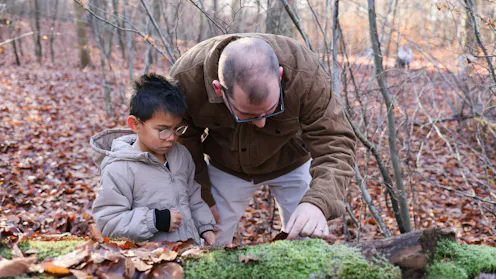
As we are bombarded with apocalyptic headlines about the future of artificial intelligence, the writer, farmer and environmentalist Wendell Berry can help bring us back to our earthly community.

A University of Alberta political science expert weighs in on the province’s ]eferendum.

As climate change and human disturbance accelerate, delays in implementing protections can have irreversible consequences for wildlife.

Support after a pregnancy or infant loss varies widely. Without better evidence, policy reforms may fall short of the needs of Canadian families.

A national, open-source operating system could help reduce Canada’s dependence on the U.S. while improving security and saving a surprising amount of money.

Technology that predicts when someone might experience intimate partner violence can undermine a survivor’s control over whether, when and how they share their abuse,
As Ottawa seeks billions in international investment in advanced technology, bias cannot be a moral footnote.

Botanists and ecologists have noticed changes in the northern Appalachian Mountains. More trees and small shrubs are growing in the alpine zones. Will they crowd out alpine plants?

Teens use AI every day to help them learn, but new data shows they are falling years behind. Governments cannot afford to wait to regulate AI.

Ontario’s alcohol market overhaul has cut LCBO earnings, while a ban on selling U.S. liquor has left taxpayers paying millions to store unsold stock.

Orbital space management organizations could help ensure that future generations live with stars above their heads, rather than constellations of debris.

David Eby has gambled his government in a bid to capitalize on the right’s infighting. Instead, he may have united his opponents behind the Conservatives.

Why have cities had so little success in reducing rat numbers? It’s usually because they’re failing to address the larger social services issues that allow rats to thrive.

Canada should restrict sexualized gambling ads the way it restricts alcohol ads that promise social success.

As autumn brings shorter days and new routines, creative activities can support well-being, connection and curiosity in families, schools and communities.