
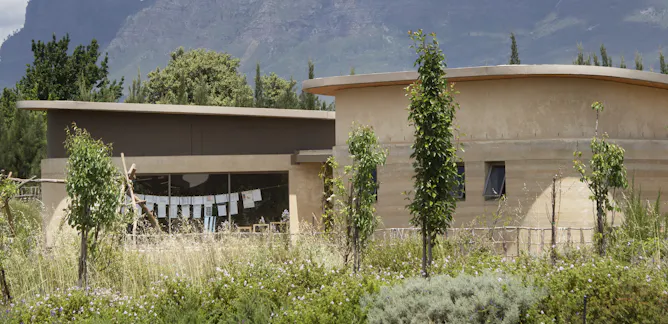
Green ratings are growing in South Africa, mainly for upgraded older buildings, but some low scores suggest buildings may appear greener than they are.
University of Johannesburg

The University of Johannesburg, one of the largest, multi-campus, residential universities in South Africa, seeks to achieve the highest distinction in scholarship and research. Born from the merger between the former Rand Afrikaans University (RAU), the Technikon Witwatersrand (TWR) and the Soweto and the East Rand campuses of Vista University in 2005, the University of Johannesburg fosters ideas that are rooted in African epistemology, but also addresses the needs of South African society and the African continent as it is committed to contribute to sustainable growth and development.
Links
Articles

Transformation in South Africa’s institutions of higher education has been slow and uneven.
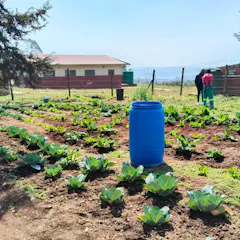
In a rural South African village, climate action is influenced by ubuntu: the belief that people are connected and have a responsibility to one another.

Social capital matters in academic career progress.

Citizen feedback must be properly embedded into government systems so it doesn’t fall on deaf ears.

Access to global markets will continue to decrease if the disease is not brought under control.

Organisations behind the wave of xenophobia use the language of participation, community and people’s power to justify marginalisation.

AI may assist in the newsroom, but journalism must remain under human editorial control.
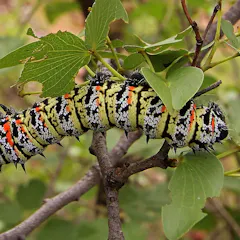
Mopane worms are an important source of food security and cash income for some rural households.

Three of the four new chameleon species found in Mozambique are probably at high risk of extinction.

Suspense-packed yet intellectually sharp, Cape Fever is far more than a chamber drama.

In most churches, religious life forms around friendships, love, emotional support and social events.

The proposed constitutional amendment could pave the way for further changes that help the ruling party realise its dream of permanent rule.
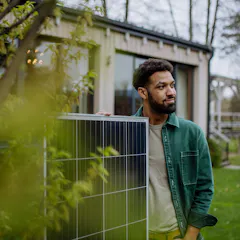
With cement production driving 8% of greenhouse gas emissions, green housing is needed urgently.
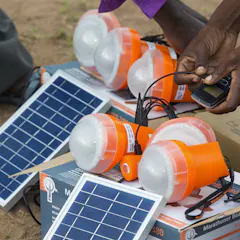
Some women in Zimbabwe are being left behind in the move to green energy because they can’t afford solar systems that can power electric stoves.
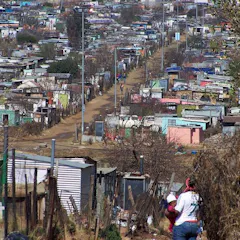
Housing policy should take note of what a home really means to people.

South Africa’s preference for dialogue has become harder to sustain in a polarised world.

Digital tools need better ethics, otherwise they will further entrench inequality.

Contracting out healthcare requires state capacity and public participation.
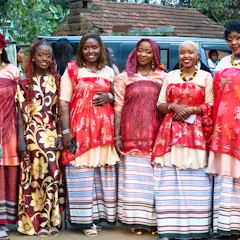
A combination of education, income and technology has a strong influence on women’s reproductive autonomy.
Authors
-

Professor of Social Work, University of Johannesburg
-
Professor and Acting Head of Department: Department of Finance and Investment Management, University of Johannesburg
-
Professor, University of Johannesburg
-
Associate Professor in the School of Economics, University of Johannesburg
-
Postdoctoral Research Fellow, University of Johannesburg
-
Senior Lecturer and Researcher in Public Policy, Monitoring and Evaluations, University of Johannesburg
-
Professor of Sociology, University of Johannesburg
-
Professor, University of Johannesburg
-
Post-doctoral fellow at the Johannesburg Institute for Advanced Study, University of Johannesburg
-
Full Professor of Economics, University of Johannesburg
-
Associate Professor, University of Johannesburg
-
Associate Professor of Psychology, University of Johannesburg
-
Associate Professor in Applied Information Systems, University of Johannesburg
-
Researcher, University of Johannesburg
-
Senior researcher, University of Johannesburg