

A culture of solving political differences with conflict has led to persistent disagreements about the Ethiopian state.
University of Pretoria

The University is a values-based, research-intensive university that equips its students to succeed in a rapidly changing world by providing students with inquiry-led training and learning opportunities. The University of Pretoria’s long-term Strategic Plan captures the essence of a shared vision, aiming to sustain UP’s quality and relevance as a university that is firmly rooted in Africa, and to harness its existing and future potential for diversity. UP strives to ensure that it is recognised in the global marketplace of knowledge production.
UP has nine faculties and a business school: - Economic and Management Sciences - Education - Engineering, Built Environment and Information Technology - Health Sciences - Humanities - Law - Natural and Agricultural Sciences - Theology - Veterinary Science (the only faculty of its kind in South Africa) - the Gordon Institute of Business Science (GIBS).
The University of Pretoria came into existence in 1908 as the Pretoria branch of the Transvaal University College. The College became a fully-fledged university in 1930 and the colloquial name Tuks, or Tukkies, was derived from the acronym TUC for Transvaal University College. UP’s current facilities portfolio consists of more than 790 buildings and structures spread over 33 sites located on six campuses that cover 1100 hectares of land. In the 106 years of its existence the University has produced more than 230 000 alumni. The University prides itself on producing well-rounded, creative graduates, responsible, productive citizens and future leaders. Great emphasis is placed on student life and support as well as the advancement of sport, art, culture and music.
Links
Articles
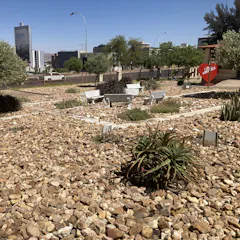
New research shows how Windhoek’s ‘Brown is Beautiful’ approach could use its dry landscape to protect the city from heat, drought and floods.
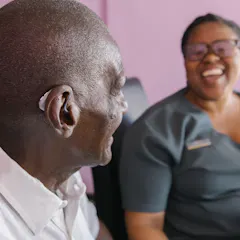
Every dollar invested in hearing care returns about $16. So why are 98% of Africans who need a hearing aid still going without one?
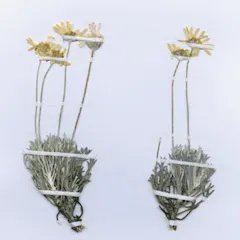
Herbarium cabinets lock away valuable plant data that needs to be mobilised through digitisation.
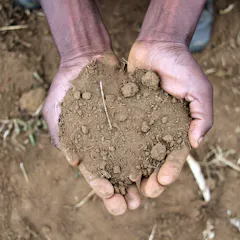
Microbial ecology helps explain how ecosystems respond to environmental pressures.
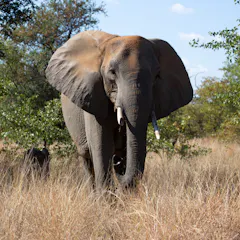
When elephants leave Kruger National Park, they are sometimes killed and their meat is shared with nearby communities. This policy may have unintended consequences.
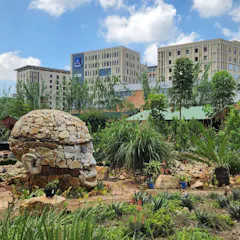
Parks do more than cool cities. They also help people work together to cope with climate change, but only if local communities help design, manage and care for them.

Solar farms can bring jobs, but the story of one South African community shows that rural residents who give up their land need more say in how benefits are shared.
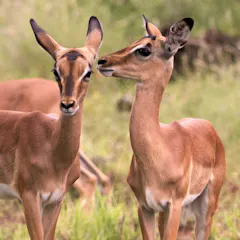
A year-long study found that impala in a South African game reserve need their own space in the dry season, away from tourists, to reduce their stress.
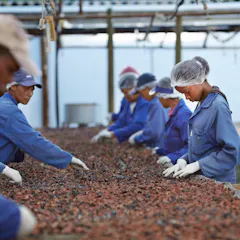
Chinese lenders have invested billions in African agriculture. But new research shows the money often misses what’s needed to modernise the sector.

Factories that process crops and agricultural products need training and support to help them face climate risks.

From roadside plots to community gardens, urban farmers in Alexandra township, South Africa are growing food, earning income and coping with climate change.

Most states know that without widely understood and accepted international laws and principles it would be harder to resolve their disagreements peacefully.

Students are more likely to flourish when they experience both material security and psychosocial support.
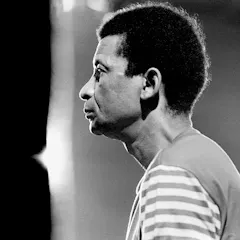
He embodied a special brand of multiple identities and belief systems, and took them to the world.

Resilience is not just a result but something people can use to change their experiences.

The song was written hot, as the news of the massacre reached the world. Its creators spanned the continent.

Scientists have discovered the most distant hydroxyl megamaser ever detected. This is a natural space laser.

The World Bank Group’s integration process must at least maintain the current independence, accessibility and effectiveness of its three accountability mechanisms.
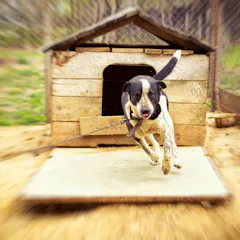
Overcrowded homes, mismatched dog groups and sizes are the biggest drivers of dog-on-dog aggression in South Africa.
Authors
-

Senior Lecturer: Department of Geography, Geoinformatics and Meteorology, University of Pretoria
-
Senior Researcher, Associate Professor: Economic Management Sciences, University of Pretoria
-
Postdoc Fellow, University of Pretoria
-
PhD Zoology, University of Pretoria
-
Professor of Regenerative Futures, University of Pretoria
-
Senior Lecturer, University of Pretoria
-
Researcher in Agricultural Economics, University of Pretoria
-
Professor/Senior Research Fellow, Centre for Advancement of Scholarship, University of Pretoria
-
Professor in Audiology in the Department of Speech-Language Pathology and Audiology, University of Pretoria
-
Senior Lecturer, University of Pretoria
-
Senior lecturer in Sustainable and Climate Responsive Architecture, University of Pretoria
-
Professor of Town and Regional Planning, University of Pretoria
-
Microbial ecologist, University of Pretoria
-
Associate Professor, Department of Political Sciences, University of Pretoria
-
Extraordinary Lecturer, University of Pretoria