

Between 2003 and 2022, clouds over the North Atlantic and Northeast Pacific became less reflective, allowing more sunlight to reach the ocean surface and causing sea surface temperatures to rise.
Articles on Aerosols
Displaying 1 - 20 of 48 articles
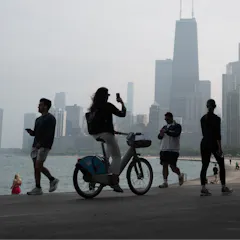
As wildfire smoke becomes a frequent summer hazard across large parts of the US, knowing the risk at the neighborhood scale matters for human health.

A lack of human activity in the Southern Ocean is just one reason why the air is so clean. Clouds and rain play a vital role in scrubbing the atmosphere, removing natural airborne particles too.
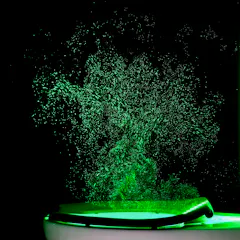
Toilets eject aerosol droplets that may carry disease-causing pathogens. Learning about how these particles move could help reduce exposure in public restrooms.
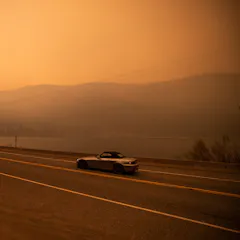
Brown carbon refers to a range of pollutants found in smoke from wildfires. They can contribute to global warming before they undergo a process that alters their chemical properties.
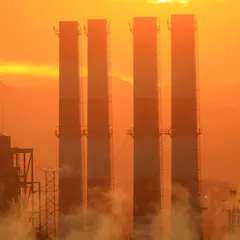
Thanks to humans, the concentration of planet-warming carbon dioxide in the atmosphere is now 50% higher than before the industrial era. These gases are raising Earth’s temperature.
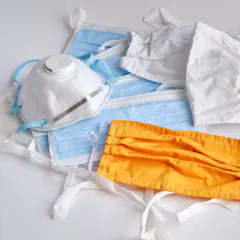
The CDC’s updated mask guidelines say that cloth masks offer the least protection from COVID-19. Differences in the materials masks are made from and the ways they fit are the reason.
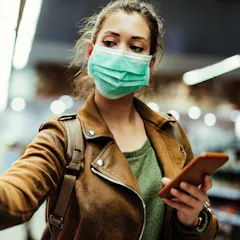
Delta is more contagious and appears to be more deadly. And it’s more likely to land those infected in hospital and intensive care. Here’s what the latest evidence says about the dominant variant.
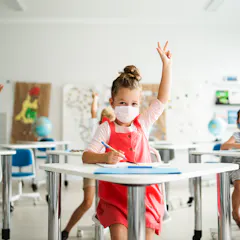
Air-ventilation upgrades have been badly needed in U.S. classrooms since long before the pandemic. Low-tech filtration systems that cost about the same as a textbook per student can make a big difference.

We found two small air cleaners in a single hospital room could clear 99% of potentially infectious COVID aerosols within 5.5 minutes.

New Zealand’s climate has been changing in line with global trends over the last century, warming by 1.1°C. But unless we curb emissions fast, we can brace for more extreme downpours and droughts.

Picture yourself at the gym. It might be confined, people are huffing and puffing, everyone is moving around. And that’s before you hit the showers and change room.

Is it time to take drastic steps to modify Earth’s climate to avoid catastrophic warming? A panel of experts says the idea deserves study.

Surface transmission is a very uncommon way of getting COVID. We should focus most of our attention on the airborne route, potentially saving millions of dollars on obsessive cleaning practices.
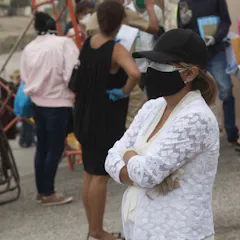
How well your mask works depends on how well it fits. Wearing two snug masks made of different materials offers 95% protection from exposure to aerosols that could contain the coronavirus.

Nebulisers deliver life-saving medications yet they increase the risk of spreading COVID-19 in hotel quarantine.

With no national standard, casually employed staff, a lack of PPE and a refusal to account for aerosol transmission, infections such as the one that prompted Perth’s lockdown will keep happening.
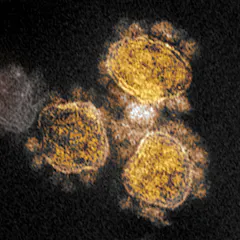
The new SARS-CoV-2 variant is already spreading in the US and could be dominant by March, the CDC warns. Here’s what that means for the masks you choose and how you practice social distancing.
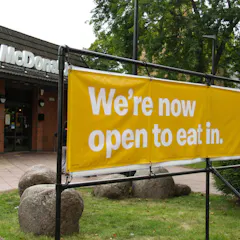
Experts weigh in on whether they will sit and eat at a restaurant.

Why the virus just keeps spreading – and what to do about it.
Top contributors
-

Associate Professor of Mechanical Engineering, Clarkson University
-
Bayard D. Clarkson Distinguished Professor of Mechanical and Aeronautical Engineering, Clarkson University
-
Professor of Medicine, Boston University
-
Professor, Director of Research, Nursing and Midwifery, Monash University
-
Professor, School of Mechanical and Manufacturing Engineering, UNSW
-
Professor of Nursing and Health Services Research, University of Newcastle
-
Lecturer, UNSW
-
Professor of Mechanical Engineering, Clarkson University
-
Research Associate, UNSW
-
Professor of Civil & Environmental Engineering, Clarkson University
-
UNSW
-
Professor and Chief, Infectious Disease, Jacobs School of Medicine and Biomedical Sciences, University at Buffalo
-
PhD Candidate, The Kirby Institute, UNSW
-
Senior Lecturer, Infectious Diseases Epidemiology and Control, UNSW
-
Professor of Global Biosecurity, NHMRC L3 Research Fellow, Head, Biosecurity Program, Kirby Institute, UNSW