

Hot weather accelerates toxic algal blooms, but nutrient pollution provides the fuel.
Articles on Algae
Displaying 1 - 20 of 97 articles

Communities and entrepreneurs are experimenting with ways to turn this nuisance into a valuable resource.
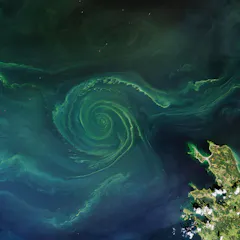
Made internationally famous by their use to clean up the Lincoln Memorial pool in Washington, this tech is starting to be used globally.

Algal blooms are not maintenance failures requiring paint or treatment with hydrogen peroxide and nanobubbles. They are ecological warning signs.

As the national conversation shifts to political finger-pointing, an important environmental question deserves careful scrutiny: What is the best approach to maintain urban water quality?
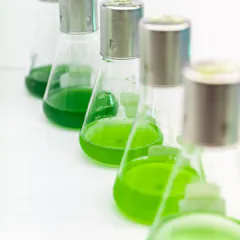
Algae species can grow remarkably fast and produce oil able to be turned into diesel or aviation fuel.
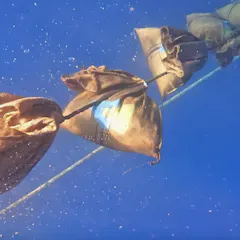
Ocean carbon removal is picking up, just as Microsoft pulls out as a major funder of carbon removal projects.
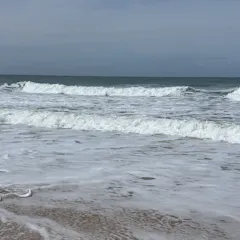
Colour, smell and duration of sea foam are all signs of local environmental health.

Paracetamol has been detected in rivers around the world.
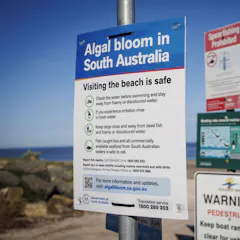
Wave action can produce aerosol droplets containing brevetoxins, and people with asthma are at risk.
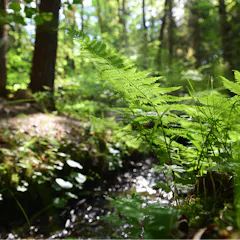
Plants changed the atmosphere, built soil and created ecosystems that allowed animals like us to thrive. But first they had to make their way from the water to the land.
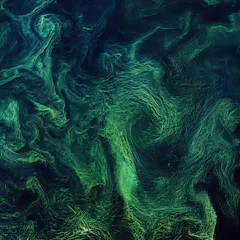
Some methods being tried to counter climate change shift the ocean’s biology or chemistry. Others would deflect solar radiation. All have consequences for marine life.
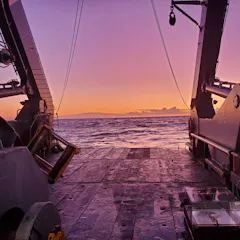
Marine viruses attack cells, but the material that spills out helps fuels marine life around the world.
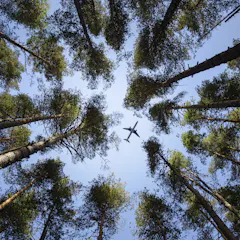
Exciting as it sounds, most of this technology is still locked away in labs, not available in airports.
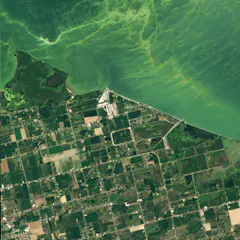
The blooms have become an annual problem in the Great Lakes. DNA studies show what’s growing there and why it’s dangerous.
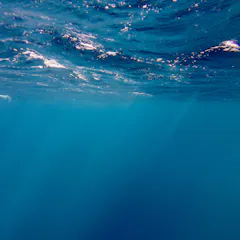
Tiny phytoplankton have an outsized influence on the entire ocean.

Plankton bloom and wither with the seasons much as plants do on land.
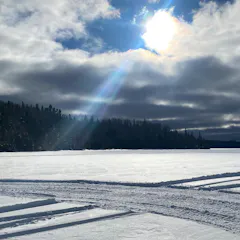
Canadians are no strangers to cold winters, when everything in nature appears to be frozen solid. However, under the ice cover of lakes, many animals remain active during the winter.
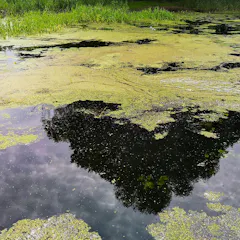
There’s more than one way to be resilient.
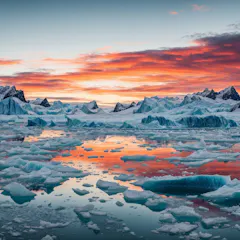
Understanding the evolution of purple algae could help us to protect glaciers.
Top contributors
-

Professor Emeritus of Environment and Sustainability, University of Michigan
-
Professor of Microbiology, University of Tennessee
-
Research Associate in Plant Biotechnology, University of Cambridge
-
Professor of Ecology, University of Southampton
-
Professor, Queensland University of Technology
-
Honorary Research Associate in Biological Sciences, University of Sydney
-
NRF-DST Research Fellow; Researcher, Department of Chemistry and Polymer Science, Stellenbosch University
-
Professor and Deputy Vice-Chancellor (Research), University of Sydney
-
Professor, Director of Florida Sea Grant, University of Florida
-
Professor, Department of Earth and Planetary Sciences, Weizmann Institute of Science
-
Professor of Ocean Biogeochemistry and Palaeoclimate, The Open University
-
Professor, Marine Biology, Adelaide University
-
Senior Lecturer in Geoenergy, Durham University
-
Associate Professor in Sustainability, University of Sydney
-
Lecturer, UNSW