
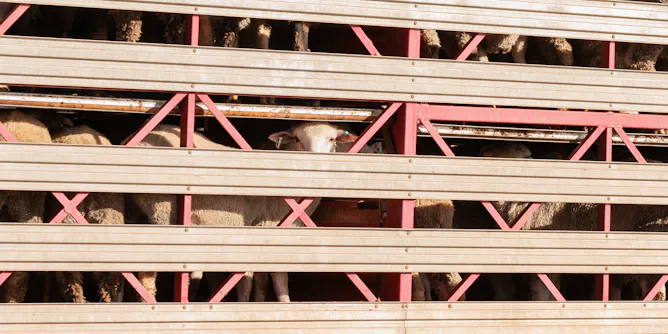
Australia’s live export trade is controversial. Have you ever wondered how it perpetuates? New research shows it comes down to corporate power dynamics. Similar forces operate in Brazil and the US.
Articles on Cattle
Displaying 21 - 40 of 80 articles
H5N1 influenza has been reported in dairy cows, and detected in milk. Here’s a look at what’s known about how pasteurization affects the virus and the safety of consuming H5N1-contaminated milk.
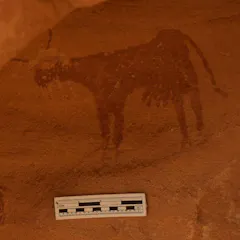
The theme of cattle in ancient rock art is one of most important pieces of evidence for a bygone age of the “green Sahara”.
Bird flu in U.S. dairy cows has Canadian public health experts on high alert. With one human case identified in Texas, what is the likelihood of H5N1 influenza moving from birds to mammals to people?
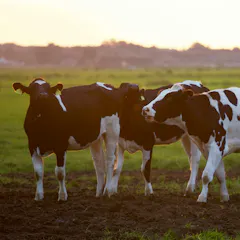
For now there’s no spread of H5N1 between humans, which is good news. But bird flu is evolving, and we need to stay vigilant.
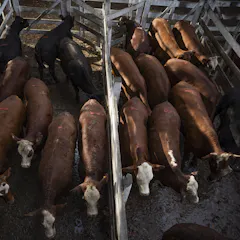
Cattle are major producers of methane, a potent greenhouse gas. But there are methods that can reduce their climate impact – if ranchers have incentive to use them.
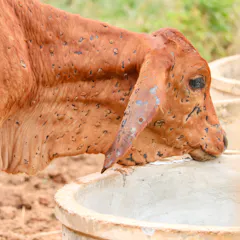
A disfiguring disease of cattle and buffalo has arrived on our doorstep. We need to keep lumpy skin disease out of Australia, while preparing for the almost inevitable outbreak.
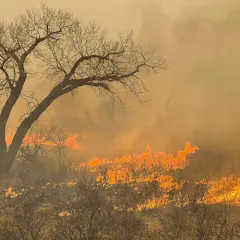
The state’s largest wildfire on record tore across the heart of Texas cattle country, and more days of strong winds were forecast. A rangeland ecologist explains why the flames spread so fast.
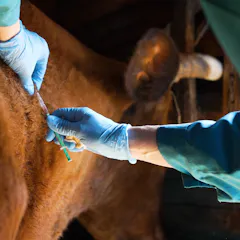
Vaccinating livestock against common disease not only improves animal welfare, it’s good for the planet too.
Food systems are increasingly disrupted by climate disasters, while also being a major contributor to climate change. World leaders at COP28 vowed to do something about it.

A recent evidence review found children who ate full-fat dairy were healthier and leaner.
Everyone loves a barbecue – here’s how to enjoy it while being mindful of our planet.

If greenhouse gas emissions continue at a high rate, breadbaskets of Europe and North America will see a 50% chance of a flash drought each year by the end of this century.
Preventing theft on farms is much more difficult than in urban areas for many reasons – but new technological developments may help curb the crimes.
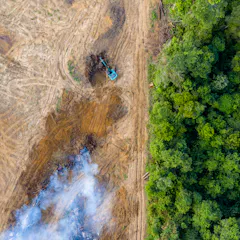
The EU have introduced a new regulation on the import of products linked to deforestation – but will this reduce deforestation globally?

Tangible solutions would reduce livestock methane emissions, while also improving productivity and livelihoods.
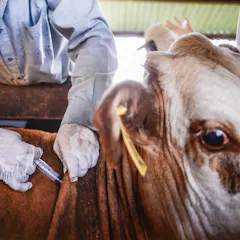
Foot-and-mouth disease rarely kills animals, but it leads to production losses and economic knocks.
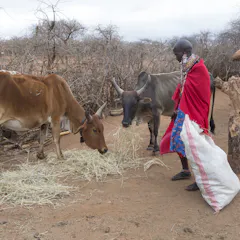
Improving the diets of livestock in Africa provides a rapid pathway to increasing nutrition for people.
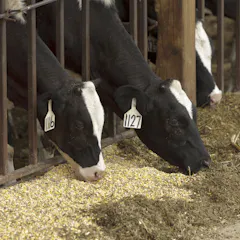
Feeding insects instead of grain to animals is an inexpensive, sustainable way to increase the world food supply. An animal scientist explains what’s involved in developing insect feed for cattle.
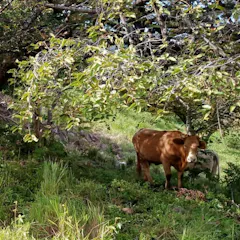
The answer lies in silvopastoralism, an agricultural method that attempts to mimic natural forest ecosystems with livestock added into the mix.
Top contributors
-

Specialist, CGIAR
-
Professor of Agriculture, CQUniversity Australia
-
Adjunct Professor in Animal Welfare, Curtin University
-
Professor Geography, Archaeology and Environmental Studies, University of the Witwatersrand
-
Professor, Food Economics, University of Guelph
-
Professor of Sustainable Development, University of Notre Dame
-
Professor in Wildlife Ecology and Conservation, School of Life & Environmental Sciences, Deakin University
-
Associate professor, UNSW
-
NUPAcT/FSA Fellow in Translational Food Safety, Newcastle University
-
Chair in Human-Animal Interaction, University of Liverpool
-
Professor of Cattle & Sheep Production Medicine, The University of Melbourne
-
-
Assistant Professor of Media and Communication, Texas Tech University
-
Doctoral Student in Communications, Texas Tech University
-
Professor of Agricultural Economics, University of Guelph