
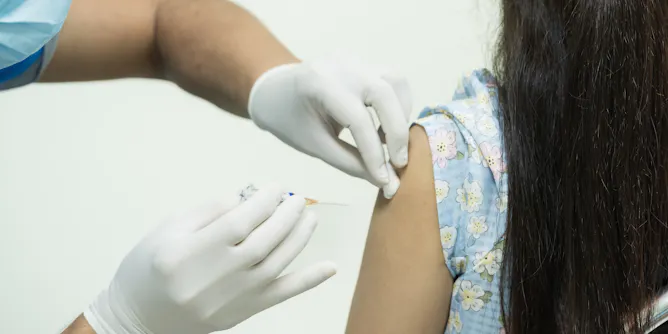
No vaccinated young woman in England has died of cervical cancer in years. Japan’s vaccine scare shows how easily that progress can unravel.
Articles on Cervical cancer
Displaying 1 - 20 of 56 articles
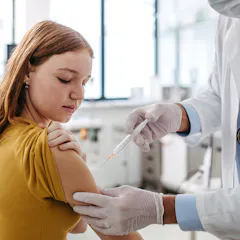
A long-term study following girls and young women for nearly two decades shows the HPV vaccine provides strong and lasting protection against cervical cancer.
From skin warts to cancer why human papillomavirus deserves more attention and better awareness.
Self-testing and vaccines are effective tools in the fight to eliminate cervical cancer. But without funding and a clear strategy, New Zealand is lagging behind other countries.

If you’re aged 25 to 74, you might be due for a cervical cancer screening test. Here’s what to expect – and what’s changed in recent years.
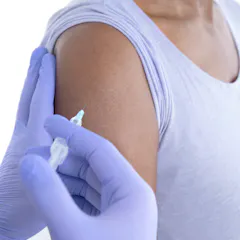
The human papillomavirus is the primary cause of cervical cancer – but not all infected individuals develop the disease.
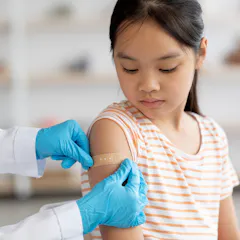
Current vaccination and screening programmes mean England is already on track.

Cancer screening and other routine primary care can help address inequities if we choose to leave the unfair status quo behind.

The little-known gynaecological cancer with a link to HPV.
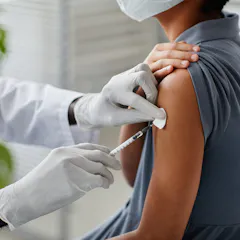
Cervical cancer is one of the most common cancers in women. Mortality rates in sub-Saharan Africa are three times higher than the global average.

Outpatient visits, screening and diagnostic services, and child immunisation were particularly negatively affected.
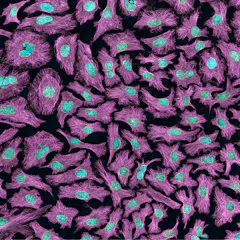
The immortal cancer cells of Henrietta Lacks revolutionized the fields of science, medicine and bioethics. And they still survive today, more than 70 years after her death.
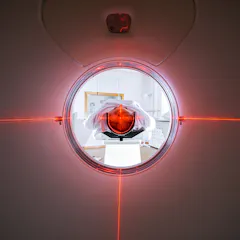
Globally, most cancer patients die not because they don’t have access to newer drugs, but because they don’t have access to even basic treatments. Cancer groundshot aims to improve treatment access.
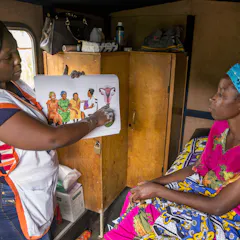
People in the world’s poorest regions have not benefited equally from the recent advancements made in cancer screening, prevention and treatment.

Oral sex is common among young people. Protection from STIs is not.
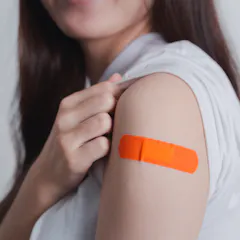
Addressing these gaps in the vaccination programme will ensure more people are being protected against the type of cancer.

Only 6,000 women used self-collection in cervical screening between 2017 and 2019, out of about one million women eligible. We need to boost those numbers if we’re ever to eliminate cervical cancer.
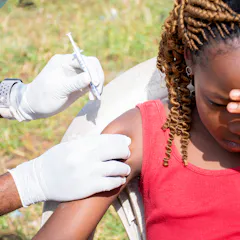
The HPV vaccine is an effective prevention for cervical cancer, especially if adolescents get it before sexual debut.
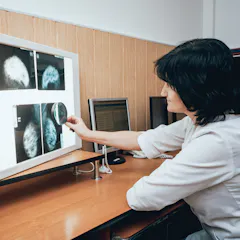
Regular testing can mean potentially fatal diseases can be picked up and treated early.
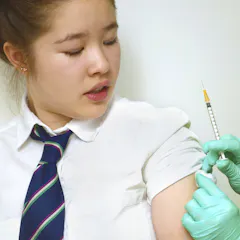
Researchers have found a way to encourage cervical cancer screenings and vaccinations in Korean American women. Might their findings also work in other underrepresented populations?
Top contributors
-

Professor, Special Projects, Obstetrics & Gynaecology, University of Cape Town
-
Lead, Cancer Elimination Collaboration (CEC) and Professor of Public Health, University of Sydney
-
Lecturer in the School of Women's and Children's Health, UNSW
-
Principal Research Fellow, The Daffodil Centre, a joint venture with Cancer Council NSW, University of Sydney
-
Professor of Biomedical Sciences, Anglia Ruskin University
-
Cancer Research UK career development fellow, UCL
-
Researcher at Sydney Health Ethics, University of Sydney
-
Associate Professor, City University of New York
-
Adjunct Professor, Eastern University
-
Senior Lecturer in Health Economics, Imperial College London
-
PHD candidate, Newcastle University
-
Professor of Pharmaceutical Chemistry, Macquarie University
-
Research Fellow and PhD candidate School of Public Health, University of Sydney
-
Epidemiologist, Queen Mary University of London
-
Honorary Fellow at Department of Pharmacology and Therapeutics, The University of Melbourne