

A large new study finds unmarried adults face significantly higher cancer rates, but the real story is about what marriage represents, not what it does.
Articles on HPV
Displaying 1 - 20 of 62 articles
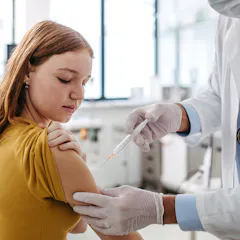
A long-term study following girls and young women for nearly two decades shows the HPV vaccine provides strong and lasting protection against cervical cancer.
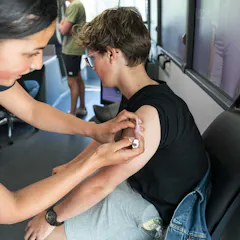
From skin warts to cancer why human papillomavirus deserves more attention and better awareness.
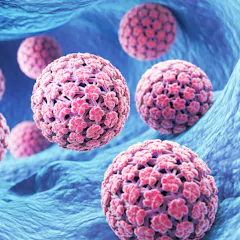
A recent case study has raised questions about whether HPV-driven skin cancer could be a wider, previously unrecognised problem.
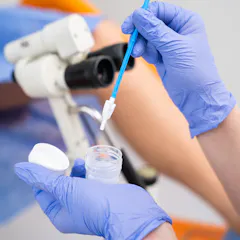
From July 2025, most 25–49s with a negative HPV result will be screened every five years. At-home kits will help reach those who avoid cervical screening.

One virus is responsible for up to 90% of anal cancers.
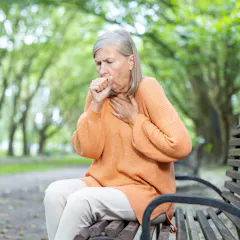
Rising air pollution, changes in hormone levels, immune system imbalances and longer life expectancy are increasing the risk of lung cancer in women who have never touched a cigarette.
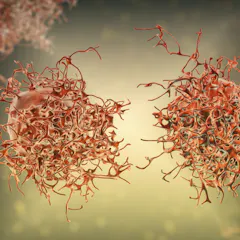
Self-testing and vaccines are effective tools in the fight to eliminate cervical cancer. But without funding and a clear strategy, New Zealand is lagging behind other countries.
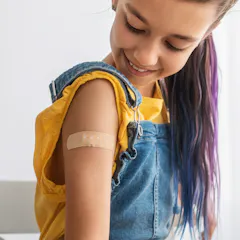
A series of vaccines offered during high school protect teenagers against certain diseases, and help reduce the spread of these diseases in the community.

If you’re aged 25 to 74, you might be due for a cervical cancer screening test. Here’s what to expect – and what’s changed in recent years.
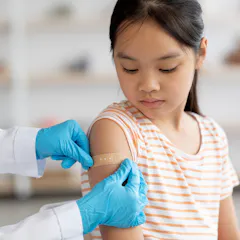
Current vaccination and screening programmes mean England is already on track.
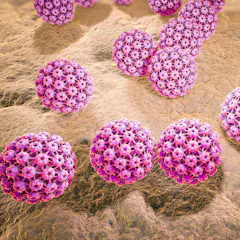
Oropharyngeal cancer has now become more common than cervical cancer in the US and the UK.
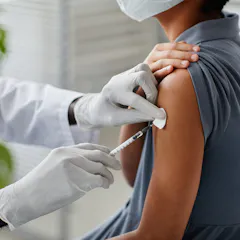
Cervical cancer is one of the most common cancers in women. Mortality rates in sub-Saharan Africa are three times higher than the global average.
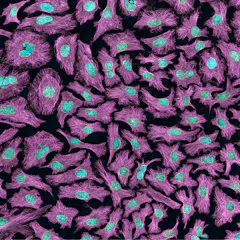
The immortal cancer cells of Henrietta Lacks revolutionized the fields of science, medicine and bioethics. And they still survive today, more than 70 years after her death.
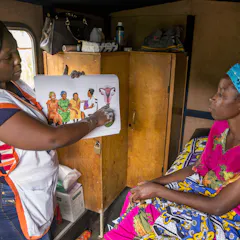
People in the world’s poorest regions have not benefited equally from the recent advancements made in cancer screening, prevention and treatment.
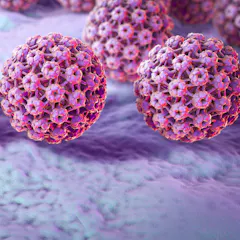
Some cancers are actually caused by viruses that linger for long periods in the body, or cause physical damage that later turns cancerous.

Oral sex is common among young people. Protection from STIs is not.
Addressing these gaps in the vaccination programme will ensure more people are being protected against the type of cancer.

Only 6,000 women used self-collection in cervical screening between 2017 and 2019, out of about one million women eligible. We need to boost those numbers if we’re ever to eliminate cervical cancer.
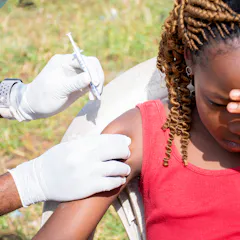
The HPV vaccine is an effective prevention for cervical cancer, especially if adolescents get it before sexual debut.
Top contributors
-

Associate Professor, City University of New York
-
Professor, Special Projects, Obstetrics & Gynaecology, University of Cape Town
-
Lead, Cancer Elimination Collaboration (CEC) and Professor of Public Health, University of Sydney
-
Honorary Fellow at Department of Pharmacology and Therapeutics, The University of Melbourne
-
Principal Research Fellow, The Daffodil Centre, a joint venture with Cancer Council NSW, University of Sydney
-
Professor of Biomedical Sciences, Anglia Ruskin University
-
Lecturer in the School of Women's and Children's Health, UNSW
-
Researcher at Sydney Health Ethics, University of Sydney
-
Professor, Kirby Institute, UNSW
-
Professor, Department of Biomedical and Life Sciences, Lancaster University
-
Professor of Public Health, University of Sydney
-
Professor, Melbourne University, The Royal Women's Hospital
-
Emeritus Professor, Australian Research Centre in Sex, Health and Society, La Trobe University
-
Dean of the National School of Tropical Medicine and Professor of Pediatrics and Molecular Virology & Microbiology, Baylor College of Medicine
-
Epidemiologist, Queen Mary University of London