

Grid-like cities such as Buenos Aries can have a detrimental effect on navigation ability.
Articles on Cities
Displaying 301 - 320 of 1700 articles
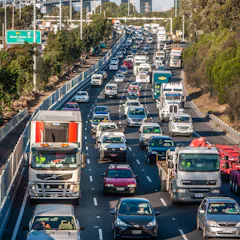
Our survey found strong opposition to Australian megacities, with most people preferring population growth to be in satellite cities and rail hubs outside the capitals.
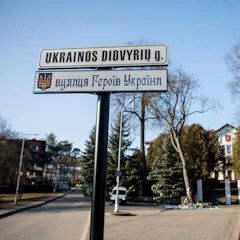
The Russian embassy in Vilnius now sits on Ukrainian Heroes’ Street (Ukrainos Didvyrių g.), a direct response to the war.
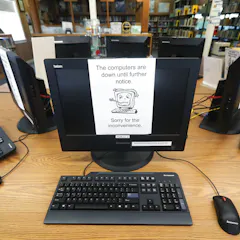
With Russia poised to launch cyberattacks on US targets, many local governments find themselves without the staff or resources to even recognize when they’re under attack.

Housing affordability has been an important public policy issue since the onset of the pandemic. Economist Emily Hamilton explains the research on some popular affordable housing policies.
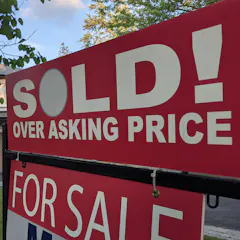
Affordable housing has become a middle-class problem, and Ontario’s latest housing report reflects an approach that continues to marginalize those with the greatest need.

Photos from the early 1900s show LA’s forests of oil derricks. Hundreds of wells are still pumping, and research shows how people living nearby are struggling with breathing problems.

Ghanaian authorities could elicit more cooperation from citizens in governing the cities by creating conditions that give the majority a chance at a decent life
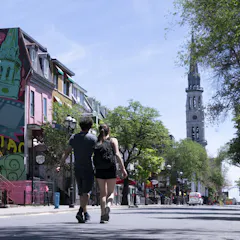
Preliminary research suggests cultural and social services retain or attract employees hard hit by plant closures in other communities. Preserving them may help cities withstand future crises.

We surveyed over 4,000 Victorians and found more than three-quarters are interested in riding a bike, but only in infrastructure that separates people from cars – such as protected bike lanes.

Income, accessibility, the presence of green space and the availability of amenities are neighbourhood features that affect how COVID-19 has spread through cities.
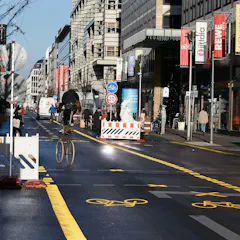
Residents across the world have seen how the pandemic has ushered in changes – shall and big – to the way their cities look and function.
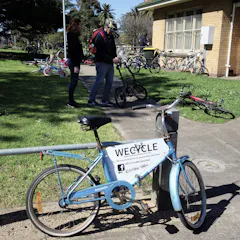
Building a culture of cycling is essential, especially where bike use is low. A global movement of community bike workshops, also known as bike kitchens, can help.
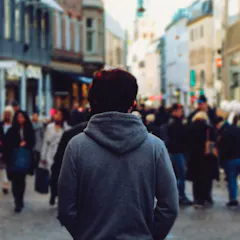
With projections that 68% of the world’s population will be living in cities by 2050, it’s important we tackle loneliness now before it becomes epidemic.

Long before climate change was evident, California began planning a system of canals and reservoirs to carry water from the mountains to drier farms and cities. It’s no longer enough.

There’s enormous value in citizen science projects that encourage urban-dwellers to learn about what is often, quite literally, on their doorsteps.

Learning outdoors has benefits for children’s health, mood and social skills.
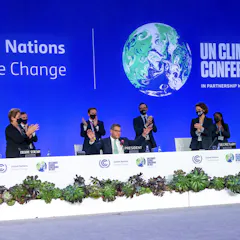
Has the summit delivered on its goals?
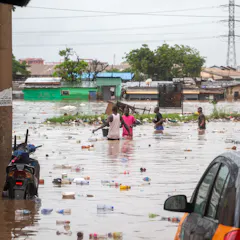
The fast growth of the metropolis and the city’s political significance, to its large informal economy and the challenges residents face.

New research has found that low-rise urban environments are more space and carbon efficient than high-rise buildings which have a drastically higher carbon impact.
Top contributors
-
 John Rennie Short is a Friend of The Conversation.
Professor Emeritus of Public Policy, University of Maryland, Baltimore County
-
Head of Urbanism and Associate Professor of Urban Studies, School of Architecture, Design and Planning, University of Sydney
-
Professor of Sustainability, Curtin University
-
Professor of Human Geography and Planning, University of Tasmania
-
Professor of Urban Policy and Director, Urban Futures Enabling Impact Platform, RMIT University
-
Transport and Cities Program Director, Grattan Institute
-
Senior Lecturer in Urban and Environmental Planning, Griffith University
-
Associate Professor in Urban Planning, The University of Queensland
-
Adjunct professor, School of Media and Communications, RMIT University
-
Associate Professor of Urban Planning, The University of Melbourne
-
Professor of Housing Research, Adelaide University
-
Research associate at African Centre for Cities, University of Cape Town
-
Housing Policy Researcher, Expert Advisor, Housing Assessment Resource Tools and Adjunct Professor, L’Université d’Ottawa/University of Ottawa
-
Emeritus Professor, Urban Planning and Policy, University of Sydney
-
Emeritus Professor of Housing, UNSW