
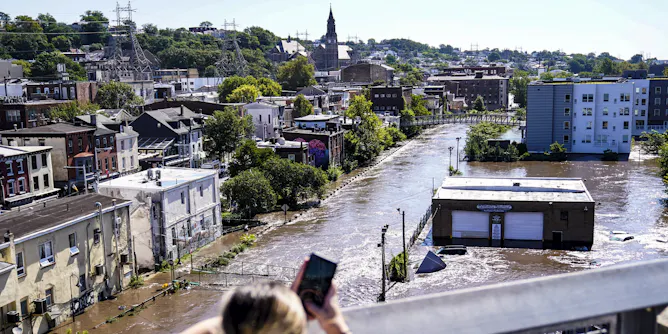
More than half of the world’s population lives in cities, and that share is growing. Rapid climate change could make many cities unlivable in the coming decades without major investments to adapt.
Articles on Cities
Displaying 321 - 340 of 1700 articles
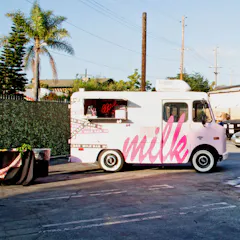
Ethnic food is cheap, and it appeals to adventurous eaters. Real estate agents and investors have caught on.
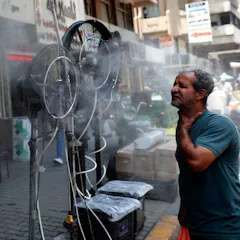
Hot, humid population centers are becoming epicenters of heat risk as climate changes worsens. It’s calling into question the conventional wisdom that urbanization uniformly reduces poverty.
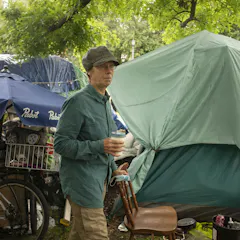
As we push for a real solution — an increase in housing supply and related supports — the encampment evictions must stop. We need to make encampments unnecessary.
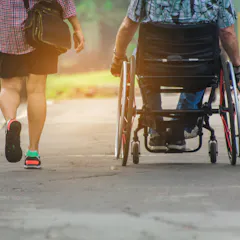
The post-pandemic recovery presents an opportunity for creating accessible environments.

Imagine if you had the option of booking and paying for multiple public transport and shared services using a single app.

Two urban policy experts explain why taking down highways that have isolated low-income and minority neighborhoods for decades is an important part of the pending infrastructure bill.

Images of water gushing into subway stations filled social media following heavy rain in New York City. Solutions are at hand – but it takes money and political will, an expert explains.

Park policy must reimagine parks as more than a contributor to property value and consider how they can be used as community resources.
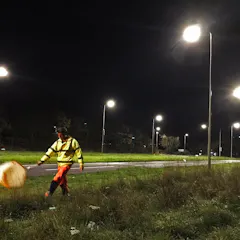
The increasing prevalence of white LED streetlamps spells worrying population declines for insects like moths.
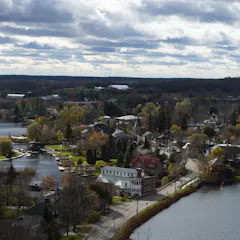
Whether Canada is able to address the most pressing challenges of the next several generations requires the full participation and support of rural people and places.
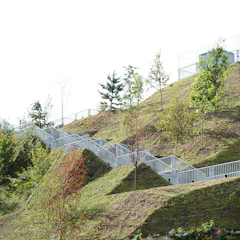
Pop-up spaces can be successful, they just need to be better thought through and created with urban ecology in mind rather than economics.
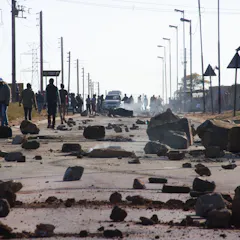
The practice of using electricity revenue surpluses to fund other municipal services is running out of road.
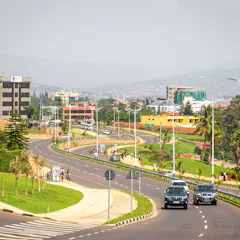
These results emphasise the high significance of the transport sector in Kigali’s air pollution levels and the need for further action to address air pollution from the sector.
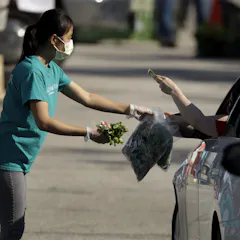
Farmers markets aren’t just for yuppies – they are increasingly serving customers at all social and economic levels, especially during the COVID-19 pandemic.

Throughout the pandemic we can see that place brands have evolved and those likely to survive are the ones that were already well established to begin with or ones that are more flexible.
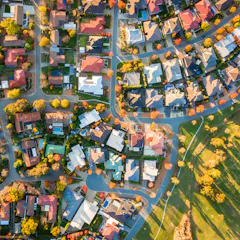
New research indicates that people in urban areas, on average, have the smallest carbon footprints, and those living in the suburbs the highest.

Having survived the HIV/AIDS pandemic, gay communities in the US were well equipped to get residents health and social services early in the pandemic, when the government’s COVID-19 response lagged.
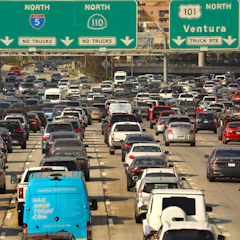
The pandemic offered a tantalizing look at city life with fewer cars in the picture. But with traffic rebounding, there’s limited time to lock in policies that make streets more people-friendly.
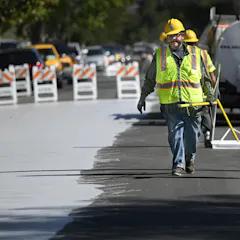
Here’s how reflective pavement works and what cities need to think about.
Top contributors
-
 John Rennie Short is a Friend of The Conversation.
Professor Emeritus of Public Policy, University of Maryland, Baltimore County
-
Head of Urbanism and Associate Professor of Urban Studies, School of Architecture, Design and Planning, University of Sydney
-
Professor of Sustainability, Curtin University
-
Professor of Human Geography and Planning, University of Tasmania
-
Professor of Urban Policy and Director, Urban Futures Enabling Impact Platform, RMIT University
-
Transport and Cities Program Director, Grattan Institute
-
Senior Lecturer in Urban and Environmental Planning, Griffith University
-
Associate Professor in Urban Planning, The University of Queensland
-
Adjunct professor, School of Media and Communications, RMIT University
-
Associate Professor of Urban Planning, The University of Melbourne
-
Professor of Housing Research, Adelaide University
-
Research associate at African Centre for Cities, University of Cape Town
-
Housing Policy Researcher, Expert Advisor, Housing Assessment Resource Tools and Adjunct Professor, L’Université d’Ottawa/University of Ottawa
-
Emeritus Professor, Urban Planning and Policy, University of Sydney
-
Emeritus Professor of Housing, UNSW