
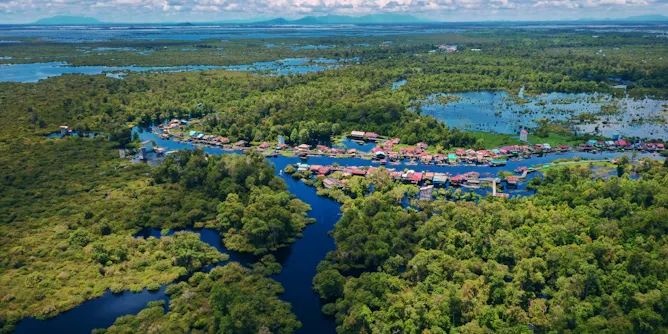
Protecting and restoring mangroves and peatlands can reduce more than half of the carbon emissions from land use in Southeast Asia. But some challenges remain.
Articles on Climate-change mitigation
Displaying 1 - 20 of 72 articles
It’s the government’s job to make it easier and cheaper for people to change their lives.
Climate models embed colonial attitudes and massive inequality.
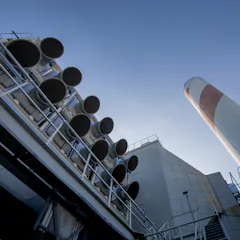
The cost of deploying a direct air capture unit must fall while the cost of emitting CO₂ rises.

A report found the amount of funding needed to adapt to climate change exceeds what has so far been delivered by 80%.

Mitigating climate change is more politically popular than adapting to its inevitable effects.

Around the world, fragile coastal ecosystems are under intense pressure, and understanding and managing their complex interactions requires an integrated and interdisciplinary approach.

Cape Town’s new climate strategy is a good start. But it falls short when it comes to nature.
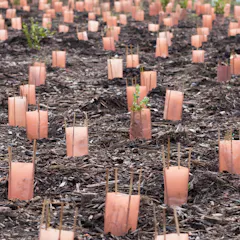
If agricultural land was used to grow crops, it would limit methane emissions from livestock, but not store a substantial amount of carbon. Growing trees is what makes the difference.
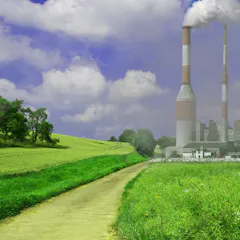
Despite clear air as a result of the pandemic reducing human activities, our emissions still soar.

Although less well known than its cousins, coral reefs and mangroves, seagrass plays a crucial role in climate change mitigation.
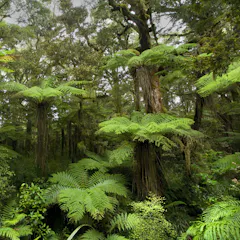
Plants live off carbon dioxide, but a higher level of the greenhouse gas in the air doesn’t necessarily lead to more biomass production.
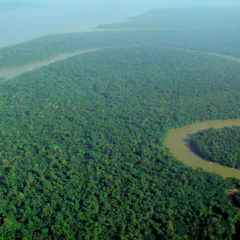
A new report calls land key to solving climate change. The good news is that there are strategies for reducing carbon emissions from land use that can also produce economic and social benefits.
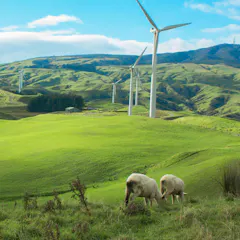
Under the New Zealand government’s well-being approach to the budget, funding that will help reduce emissions is linked with economic development and innovation.
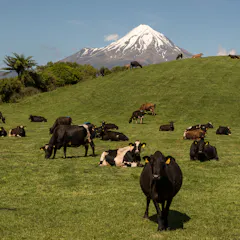
New Zealand’s government has released a bill that sets targets to bring long-lived greenhouse gases to net zero by 2050 and reduce emissions of the shorter-lived methane by 10% within a decade.

Donald Trump’s pick to head the World Bank could well weaken the organisation’s importance in international development and finance.
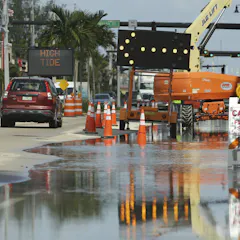
Climate change is happening and will intensify in coming decades. Some experts say it’s time for a triage strategy that focuses investments where they are most likely to have an impact.
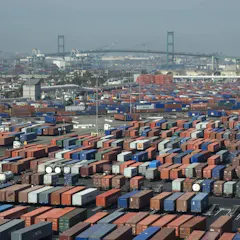
Hundreds of US cities have pledged to meet the carbon reduction targets in the Paris climate accord. Now it’s time for them to start showing results.
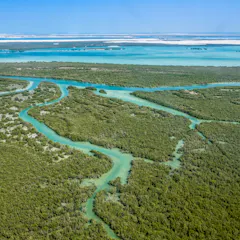
Mangrove forests grow in the tidal lagoons of tropical coastlines and they could actually benefit from climate change. Here’s what that means for us.
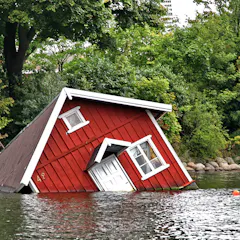
Relocation from risky areas is the only safe response.
Top contributors
-

Professor, Crawford School of Public Policy and Director, Centre for Climate and Energy Policy, Australian National University
-
Associate Professor, The University of Western Australia
-
Professor, Crawford School of Public Policy, Australian National University
-
Professor of Environmental Science, Auckland University of Technology
-
Professor in Applied Mathematics, Te Kunenga ki Pūrehuroa – Massey University
-
Chief Research Scientist, CSIRO Environment; Executive Director, Global Carbon Project, CSIRO
-
Senior Research Fellow and Associate Professor, Melbourne Climate Futures initiative, The University of Melbourne
-
Professor Emerita, Department of Biological Sciences, Macquarie University
-
Assistant Director of the Global Systems Institute, University of Exeter
-
Distinguished Professor, Stellenbosch University
-
Professor of Physics and Physical Oceanography, University of North Carolina Wilmington
-
University Associate, Institute for Marine and Antarctic Studies, University of Tasmania
-
Professor of Organisational Studies, University of Sydney
-
Professor, School of the Environment, The University of Queensland
-
Honorary Fellow, The University of Melbourne