
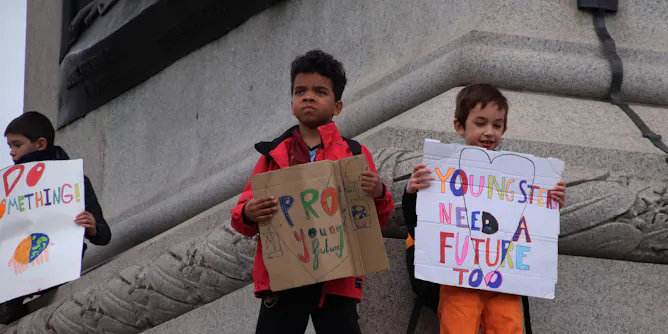
Some children and youth find the effects of climate change are traumatic. Taking a trauma-informed approach to education can nurture resilience.
Articles on Climate justice
Displaying 81 - 100 of 132 articles
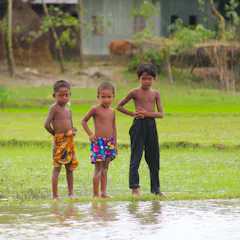
Two Bangladeshi academics spoke to delegates at the Glasgow COP.
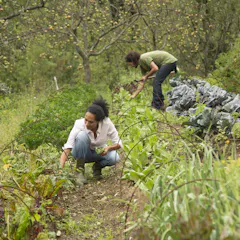
Permaculture – a mashup of ‘permanent’ and ‘culture’ – is a way of doing agriculture that’s inspired by the resilience and biodiversity of healthy natural ecosystems.
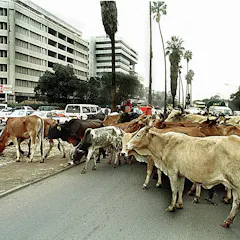
A simplistic ‘all livestock are bad’ narrative is promoted by campaigners, celebrities, philanthropists and policymakers alike. A much more sophisticated debate is needed.
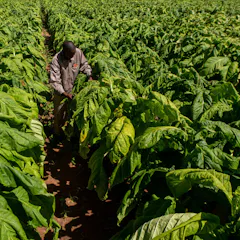
The focus of climate talks has been on how little time is left is for global action. But climate change has already made tobacco farming, potentially a route out of poverty, unviable for some.

What research shows is important to win support for bold decarbonisation measures.
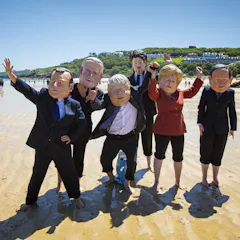
If the G7 is serious about stopping global warming, it could start by acknowledging who and what is causing it.
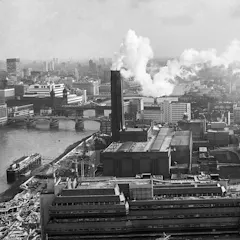
Countries that industrialised early will still have a massive ‘carbon debt’ to repay.
As public funding disappears, corporations have moved to the head of the table of higher education.
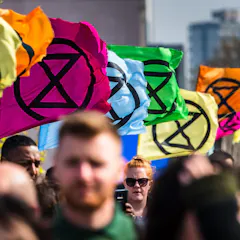
Climate hypocrisy matters for governments – but not individuals.
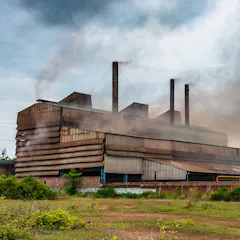
Countries cannot be expected to all tread the same path to net zero emissions.
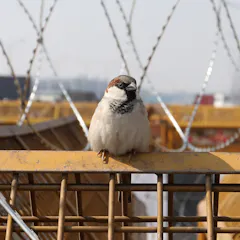
Nearly 700 species of flightless mammal could be barred entry to cooler habitats due to national borders by 2070.
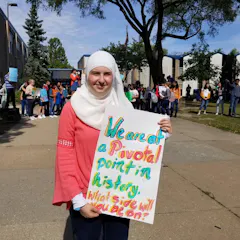
Historically, Muslim scholars have coupled their study of nature to their understanding of Allah. Today, young Muslim women are leading change through an Islamic eco-consciousness with grit.
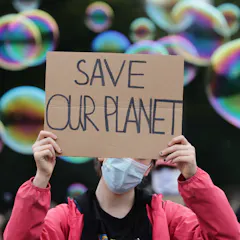
Activists can broaden the purview of green recovery plans and highlight issues of climate justice.
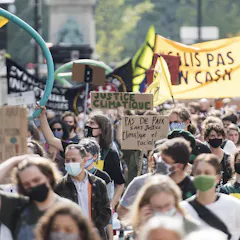
With COVID-19 restricting in-person gatherings climate protests paused and lost momentum. Youth climate activists have shifted their attention online and are linking climate issues to social justice.
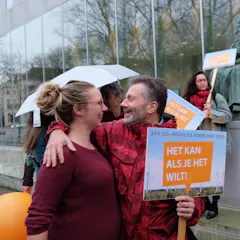
A ground-breaking court case in the Netherlands could influence the way Canadian courts rule on the government’s actions on climate change.
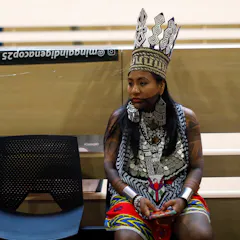
Our research has brought us into contact with multiple communities whose lives are increasingly precarious thanks to climate change.
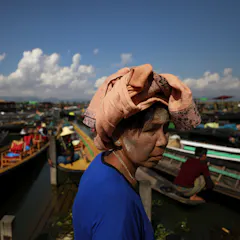
Climate change will affect everyone, but women will overwhelmingly bear the greatest burden.

Current policy to manage and protect people from flooding disadvantages those who are most vulnerable.

The vast emissions caused by these individuals suggest that a very small share of humanity has a very significant role in global warming.
Top contributors
-

Director of the Mandela Institute, Professor of Law, University of the Witwatersrand
-
Legal Researcher, PhD Candidate and Lead of the African Climate Law Programme, Mandela Institute, University of the Witwatersrand
-
Director of the Global Environmental Law Centre; Associate Professor Department of Public Law & Jurisprudence, University of the Western Cape
-
Professor of Sociology, University of British Columbia
-
Pro Vice-Chancellor, Climate, Sustainability and Inequality and Director, Southern Centre for Inequality Studies, University of the Witwatersrand
-
Director Mary Robinson Centre for Climate Justice, Glasgow Caledonian University
-
Senior Lecturer in Climate Justice, University of Bristol
-
Associate Professor, School of Law, University of Bradford
-
Associate Researcher in Climate Change and Inequality, University of the Witwatersrand
-
Adjunct Associate Professor, University of Cape Town
-
Professor of Environment and Sustainability, University of Michigan
-
Professor of Law, The University of Melbourne
-
Research Associate, Institute for Climate Risk and Response, UNSW
-
Associate Professor of Global Sustainable Development, University of Warwick
-
Professor of Global Environmental Politics, College of the Atlantic