

As India opens up a new bridge in its north-eastern region, local tribal communities feel left out of the development picture.
Articles on Development
Displaying 241 - 260 of 374 articles
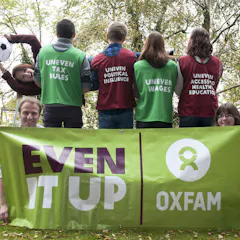
Why NGOs and donors must have adult conversations about what development really means.

Communities and indigenous people would like to conserve forests, nature and biodiversity. But their priority, like that of most people, is improving their own well-being and that of their children.
Our approach to economic growth has done more harm than good and must be be replaced with more appropriate goals.
Under pressure to create new markets, big alcohol producers are scouring the African continent in what promises to yield negative socioeconomic consequences.

Development agencies should consider nature and culture when creating strategies to alleviate global poverty.

Australia has so far declined China’s offer to formally link the Northern Australia project to OBOR. But it risks losing out on trade and investment if the government doesn’t take a stronger approach.
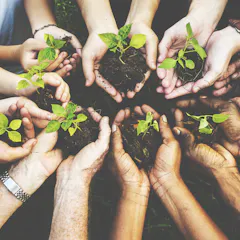
Oxfam’s efforts to find solutions to the world’s inequalities are welcome but its wrongful use of “human economy” and repackaging it as a concept from high up might do more harm than good.
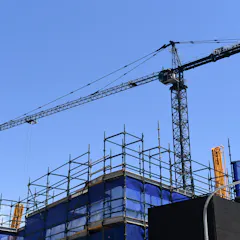
About 84% of cranes in Australia are used on residential sites, with commercial projects making up 5% of crane activity. Health, education, infrastructure and recreation projects make up the rest.
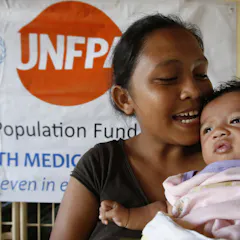
The US is the largest donor to the United Nations Population Fund, which mandates access to high-quality sexual and reproductive health services and voluntary family planning.

Getting involved in sports-based projects offers young Zambians a sense of community and helps them to build new support systems.
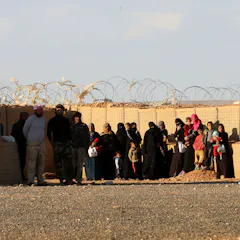
Employing Syrian refugees is not the same as protecting them.
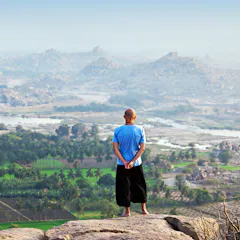
We need environmentally-adjusted measures that don’t just focus on material goods.

In the 1980’s Uganda was one of the largest coffee exporters in the world, far ahead of Vietnam which hardly exported any. Now the tables have turned raising interesting comparative questions.
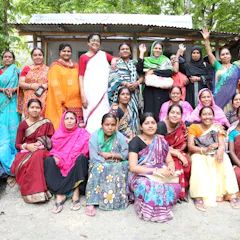
Western countries are wising up to the fact that you have to deal with how the world is, not how you want it to be.
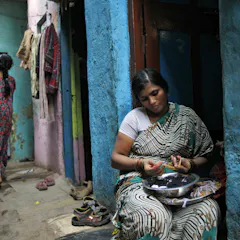
Providing women with credit improves gender inequality.
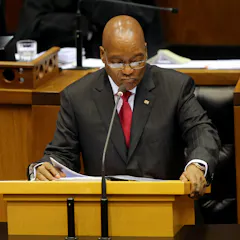
South African President, Jacob Zuma, wasted lots of time and space in cheap politicking instead of galvanising South Africans to work together for a better future.
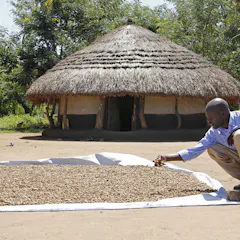
US farmers and agribusiness can help themselves by helping Africa to meet its rapidly growing food needs.
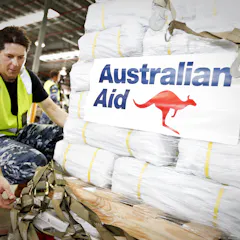
We check the facts on how Australia’s foreign aid spend has changed over time.

Is UNESCO’s prestigious lists of tangible and intangible heritage damaging the very existence of the sites on them?
Top contributors
-

Distinguished Research Professor and Australian Laureate, James Cook University
-
Associate Professor, Florida Institute for Built Environment Resilience, University of Florida
-
Associate Principal Research Fellow, Burnet Institute
-
Professor of Economics, University of Copenhagen
-
Professor of African and Development Studies, University of Edinburgh
-
Lecturer in Human Geography, University of Salford
-
Professor of Sustainability, Azim Premji University
-
Lecturer in Economics, University of the Witwatersrand
-
Professor of World Politics, SOAS, University of London
-
Economist, UNSW
-
Sr. Associate Vice President for Research and Research Professor, University of Oregon
-
Senior Lecturer, Griffith Law School, Griffith University
-
Senior Lecturer, International Development and NGO Management, University of East London
-
Professor: International Business & Strategy, Wits Business School, University of the Witwatersrand
-
Reader in Development Economics, University of Manchester