

Britain uses its aid for soft power. How will that change after it leaves the EU?
Articles on Development
Displaying 281 - 300 of 374 articles
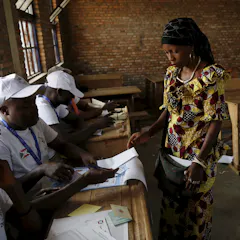
If women aren’t given their full rights, they’re less likely to believe in democratic institutions.
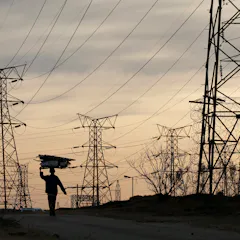
The prevailing political fights over control of state-owned enterprises in South Africa has the potential to have a deep impact on the economy, and the quality and direction of the development state.

South Africa’s parastatals are in a dire state. Instead of being the mandated sites of development and profitability, they are costing the public purse billions and have been abused.

Australia’s Great Northern Savannas are the largest and most intact ecosystem of their kind on Earth. But they still face pressure from grazing, mining and agricultural expansion.

Recent floods in southeast Louisiana were the most severe U.S. natural disaster since 2012’s Hurricane Sandy. Suburban sprawl and slow execution of flood control projects worsened the damage.

Koala numbers in parts of Australia are in decline as they move from development of their land. But they can learn to take safer routes if they are built as part of the urban design.
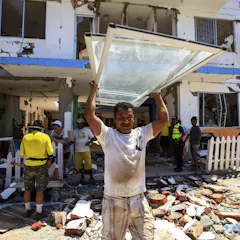
Ecuador is known for promoting the ‘Buen Vivir’ development policy agenda. But the state’s response to a recent earthquake brought its commitment into question.
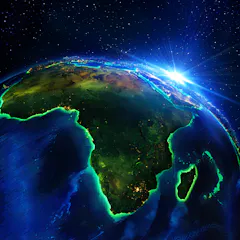
It’s important to interrogate the key factors that pushed countries from Third World to First World status in the 20th century. Asia’s experiences hold many lessons for Africa.
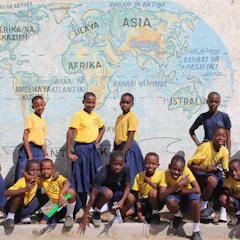
Some believe children who are first-generation learners with illiterate parents are not capable of greatness. But some of the cleverest, most committed and most creative children come from slum areas.
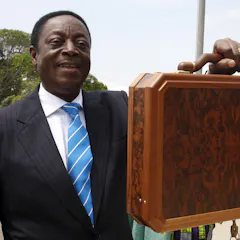
African countries such as Ghana are leading the way in budget transparency with what is known as “citizen budgets”.
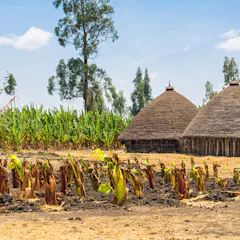
Sub-Saharan Africa has seen widespread economic growth since 1995. But increased agricultural productivity is needed to translate that growth into poverty reduction.
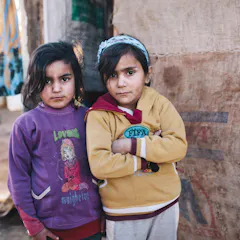
Adults who had a low birthweight or were undernourished as young children are more likely to experience high blood pressure and obesity.
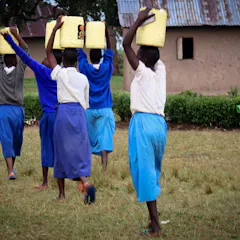
Many women in developing countries spend hours every day fetching water for their families. Reducing the burden of water work will improve their health and welfare.
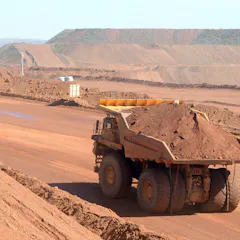
Even if the price of iron ore remains low, Australia is still well placed to benefit from this resource in the future.
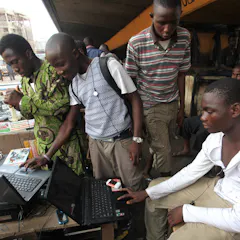
To benefit from the digital revolution, the world needs more than just connectivity.
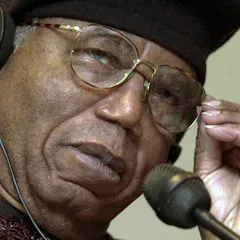
Students of the social and political sciences can benefit enormously from being taught literature, short stories and watching artistic feature films.
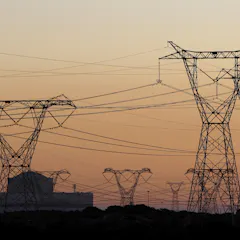
State-owned companies are not generally needed to provide goods. Rather, they are needed to provide the foundation for a well-functioning economy and a healthy, well-informed populace.
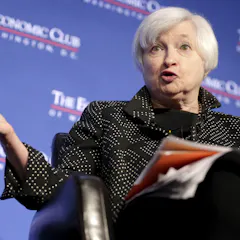
Monetary policy since the financial crisis has flooded the market with cheap capital. A rate rise will reverse this and put developing economies at risk.
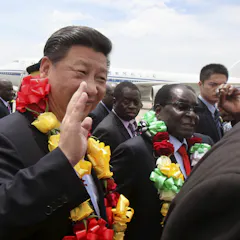
On a recent trip to Zimbabwe, Xi Jinping announced $60bn in development funding. It’s an incredibly ambitious project.
Top contributors
-

Distinguished Research Professor and Australian Laureate, James Cook University
-
Associate Professor, Florida Institute for Built Environment Resilience, University of Florida
-
Associate Principal Research Fellow, Burnet Institute
-
Professor of Economics, University of Copenhagen
-
Professor of African and Development Studies, University of Edinburgh
-
Lecturer in Human Geography, University of Salford
-
Professor of Sustainability, Azim Premji University
-
Lecturer in Economics, University of the Witwatersrand
-
Professor of World Politics, SOAS, University of London
-
Economist, UNSW
-
Sr. Associate Vice President for Research and Research Professor, University of Oregon
-
Senior Lecturer, Griffith Law School, Griffith University
-
Senior Lecturer, International Development and NGO Management, University of East London
-
Professor: International Business & Strategy, Wits Business School, University of the Witwatersrand
-
Reader in Development Economics, University of Manchester