

Even in a world where 99% of the male population is dead, patriarchy is still a very comfortable pair of shoes and very easy to slip into.
Articles on Dystopia
Displaying 21 - 40 of 55 articles

‘Dystopia’ is a term that’s gained popularity during the coronavirus pandemic. But it’s not a synonym for ‘a bad time,’ and a government’s poor handling of a crisis does not constitute dystopia.
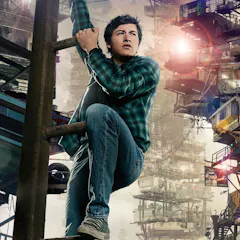
The bestselling novel turned film exposes paradoxes of fixing a broken system with its own tools. As we collectively meditate on the world’s problems, why not imagine better worlds?
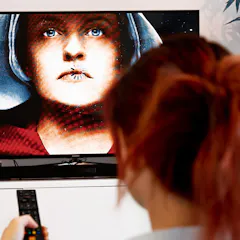
In the television show ‘The Handmaid’s Tale,’ Charles Darwin’s ‘Descent of Man’ makes a cameo — and its appearance makes a comment on how Gilead functions.

‘California is America fast-forward,’ writes one scholar. Does that mean that the dystopian infernos that have consumed parts of the state are simply a picture of what awaits the rest of America?
Can we stop our current political free-fall? Perhaps this dystopian short offers a way out.

Our responsibility to consider how the future might look for generations to come requires imagination.

The author has returned to Gilead, 35 years after the original novel was published.
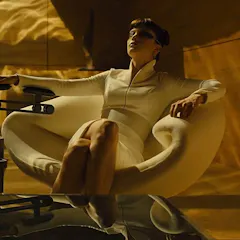
Science fiction is fast becoming science fact, which should be cause for concern.
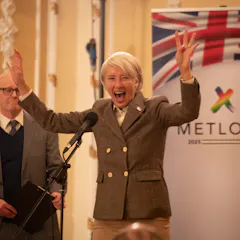
Tune in, Donald Trump: it might just save a lot of lives.
An exciting announcement about upcoming plans – and we revisit an old favourite episode.
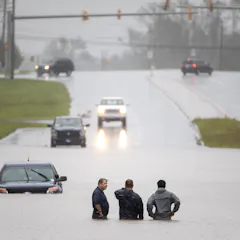
AI can definitely help us monitor floods and could perhaps even deliver more accurate early-warning messages in the near future.

Series two of the award-winning show has now moved beyond the original novel.
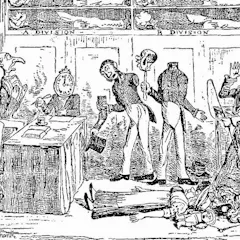
Charles Dickens imagined a robot theme park way back in 1838.
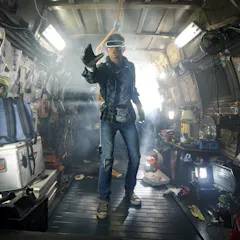
In this vision of the future, everything that we currently do in the real world – going to school, going to work, socialising, leisure – is done in a vast virtual environment.
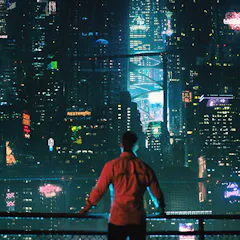
The new Netflix sci-fi series, with a gumshoe cyborg as its chief protagonist, mines a host of contemporary anxieties and aesthetic influences.
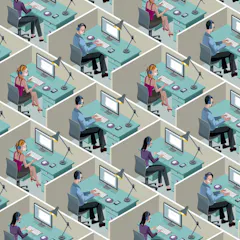
The use of big data at work could promote well-being – but only in very specific conditions.

Movies often portray the city as a dystopia, particularly in the ‘neo-noir’ genre, which explores postmodern themes. TV shows and ads present an altogether sunnier picture of life in the city.

Blade Runner 2049 represents a failure of the imagination. The film is a series of events strung together and steeped in narcissism, excessive self-absorption, isolation and regressive politics.
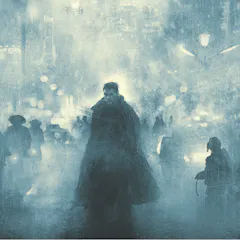
The relationship between corporations, machines and humans defines modern life in ways that Ridley Scott – even in his wildest dreams – couldn’t have imagined.
Top contributors
-

Senior Lecturer in Film and Media Studies, Manchester Metropolitan University
-
Professor of Organisation Studies, University of Bristol
-
James Martin Research Fellow, Future of Humanity Institute & Oxford Martin School, University of Oxford
-
Professor of Architecture and Urbanism, Manchester Metropolitan University
-
Professor of Labour and Globalisation, University of Hertfordshire
-
Senior Lecturer, Literature and Screen Studies, Federation University Australia
-
Associate Professor in Urban Planning, The University of Queensland
-
Reader in English, De Montfort University
-
Senior lecturer in Games and Visual Effects, University of Staffordshire
-
Honorary Professor of Planning, The University of Queensland
-
Professor of Cognitive Neuroscience and Director of the Sheffield Robotics Institute, University of Sheffield
-
Assistant Researcher, School of Languages and Culture, The University of Queensland
-
Lecturer in American Studies, University of Hull
-
President Emeritus and Director, Centre for Transdisciplinary Studies, Emily Carr University
-
Senior Lecturer in Work Psychology, University of Sheffield