
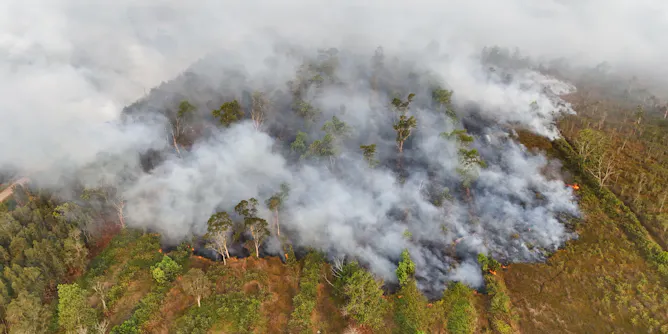
These fires can emit more carbon than entire countries, but estimates remain uncertain. That’s why researchers are measuring how deeply they burn.
Articles on El Nino
Displaying 1 - 20 of 281 articles

December 2026 could remind us that winter is not just about how cold it gets, but how quickly the weather can change.
The Trump administration has retired several key websites that scientists and businesses alike have used to track weather events.
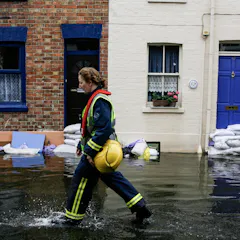
Watching other people wade through a flood, or seeing a road which is regularly waterlogged, can bring a false sense of security about crossing.
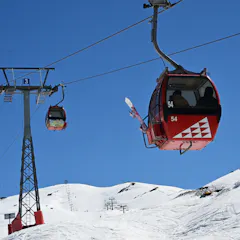
What happens on the slopes in Chile holds clues for the western US snow season. But all that precipitation can also bring trouble.
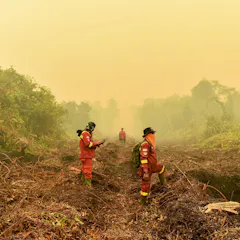
The 2026 wildfires in Indonesia destroyed carbon reserves formed over the last thousands of years. Recovery will take hundreds of years.
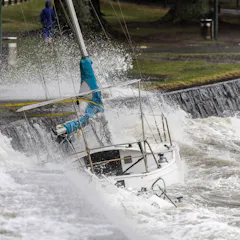
As Tropical Cyclone Xavier threatens the Cook Islands, a powerful El Niño is changing where storms are most likely to form. But NZ’s risk is a more complex story.
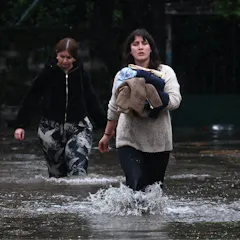
Weather warnings can help save lives by providing advice people can act on before, during and after a disaster.

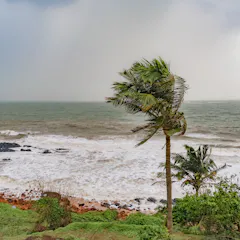
Samoa is one of 39 island nations recognised by the UN as being exceptionally vulnerable to climate change.
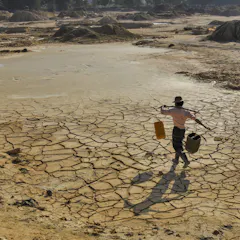
Myanmar shows how conflict, poverty and power shortages deepen health inequalities, leaving displaced and vulnerable communities at greater risk from extreme heat.
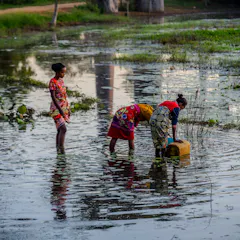
A potentially record-shattering El Niño is currently forming in the Pacific. Having more time to prepare could save lives.

How the ‘super’ El Niño could trigger a polycrisis: interconnected failures that neither the energy system nor the health-care system can prepare for alone.
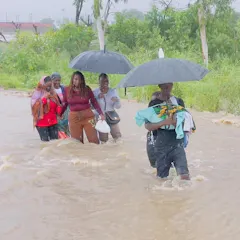
Climate change is an immediate threat to the world’s most vulnerable communities and people.
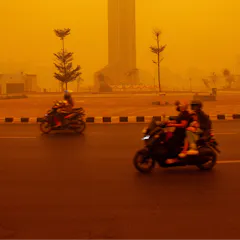
An intense drought is the match. Decades of deforestation and peat draining provide the fuel.
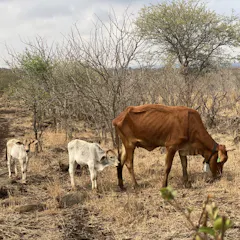
Drought is likely to reduce the total number of livestock southern Africa can support, and increase inequality among pastoralists.
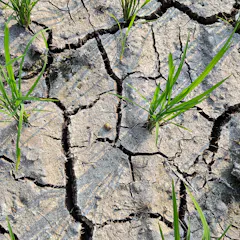
A Pacific climate event has far reaching effects.
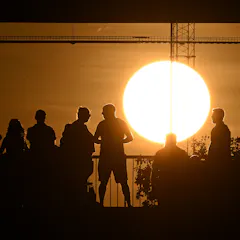
One Australian city has formed a taskforce to better protect its residents from sweltering temperatures.
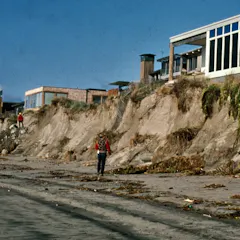
The destructive 1982-83 El Niño, then the strongest on record, eroded cliffs, leaving homes hanging precariously over the edges. A coastal scientist explains the escalating risks.
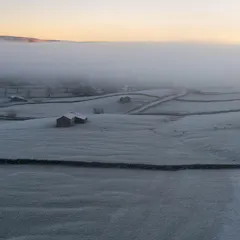
Seasonal forecasts suggest a wet and stormy autumn followed by a colder, calmer winter.
The El Niño climate pattern has long influenced weather across the globe.
Top contributors
-

ARC Future Fellow and Associate Professor in Climate Science, ARC Centre of Excellence for 21st Century Weather, The University of Melbourne
-
Adjunct Professor (Practice) in Climate Science, School of Earth, Atmosphere and Environment, Monash University
-
Senior Climatologist, Australian Bureau of Meteorology
-
Senior Research Associate, UNSW
-
Chief Research Scientist, Oceans and Atmosphere, CSIRO, CSIRO
-
Postdoctoral Research Fellow in Atmospheric Sciences, The University of Melbourne
-
Distinguished Scholar, National Center for Atmospheric Research; Affiliate Faculty, University of Auckland, Waipapa Taumata Rau
-
Lecturer, Climate Science Geography, The University of Melbourne
-
Principal Research Scientist, CSIRO
-
Climate Scientist, Australian Bureau of Meteorology
-
Climate scientist, Australian Bureau of Meteorology
-
Director of the ARC Centre of Excellence for Our Future Oceans and Scientia Professor in Oceanography, UNSW
-
Lecturer, School of Agriculture, Food and Ecosystem Sciences, The University of Melbourne
-
Assistant Professor of Environmental Studies, University of Tampa
-
Director of the Climate Hazards Center, University of California, Santa Barbara