
Even small actions, such as choosing the right rooftop solar set-up or changing when we use energy, can make a big difference.
Articles on Electricity
Displaying 101 - 120 of 649 articles

Another day, another zap. Understanding the physics of static electricity can help you not get static shocks quite so often.
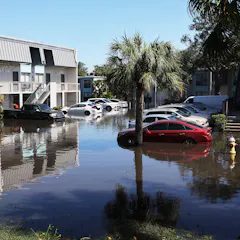
If you live in a flood-prone area, especially near the ocean, it’s important to know the risks if your EV is flooded. Or your golf cart, e-bike or other device with lithium-ion batteries.
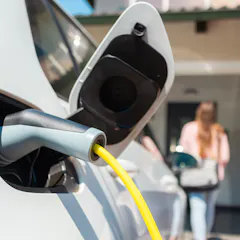
Your EV battery is much larger than a home battery. But until now, Australian drivers haven’t been able to run their homes off their cars – or sell power back to the grid. That’s about to change.
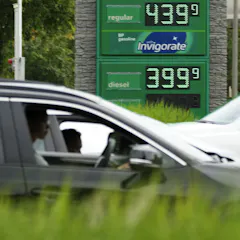
Countries have promised to reduce their fossil fuel subsidies to fight climate change, but that’s harder to do than it sounds, as an energy law expert explains.

Gas-fired power plants can keep energy reliable and affordable. But they should be used only when absolutely necessary.
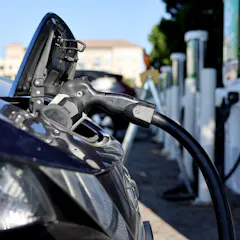
The issue isn’t just the number of chargers – it’s also the quality of drivers’ experiences with them.

Both solar and battery systems costs have just dropped to the point that grid defection will save the average family money, but this could increase emissions in some cases.
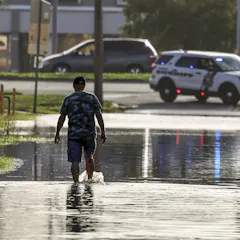
Researchers tracked power outages after 8 major storms to see how wealth corresponded to recovery time.
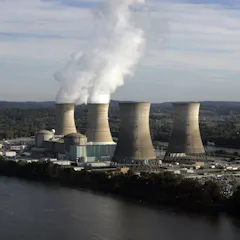
Rising electricity demand, especially to power data centers, could make restoring some nuclear plants that closed early financially viable.
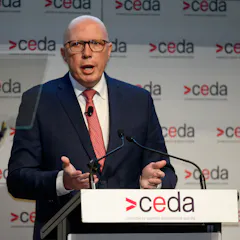
It seems increasingly clear the Coalition’s nuclear policy would prolong Australia’s reliance on fossil fuels, at a time when the world is rapidly moving to far cleaner sources of power.
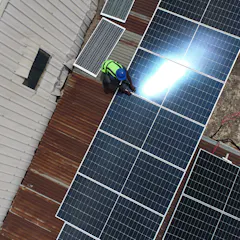
Off-grid solar energy is a panacea to the electricity crisis in Africa.
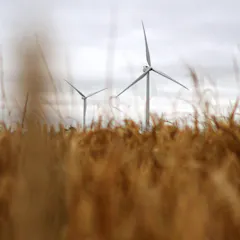
A blustery August saw gas generation more than halve compared with 2023.
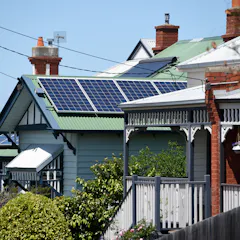
Think of single-phase power as a single-lane road. It’s enough to handle regular household appliances. Three-phase power is more like a three-lane highway. It’s designed to handle much heavier loads.
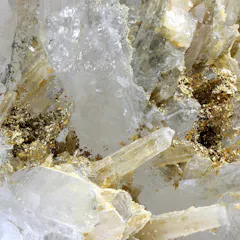
Gold nuggets grow much bigger than they should – and electricity produced by earthquakes may be the reason why.

We don’t generate power directly from volcanoes, but their presence is a sign that there are good geothermal resources underground that can be tapped.

Smart buildings can team up to be more energy efficient while keeping the people inside comfortable.
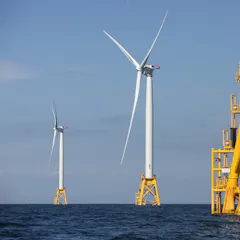
A big roadblock to offshore wind power is getting approval for onshore transmission lines. But what if there were fewer connection points, and power could flow both ways? Plans are underway.
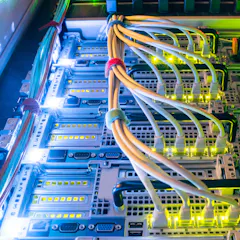
Between AI and bingeing TV shows, we’re using more data than ever – and data centres are power hungry. Thankfully, there are some ways to optimise their electricity use.
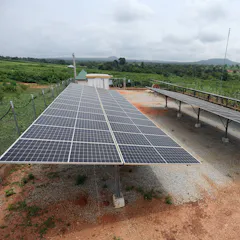
The opportunities presented by mini grids come with challenges of balancing market efficiency and equity of access.
Top contributors
-

Senior Industry Fellow, Environment and Planning, RMIT University
-
Senior Research Associate, Renewable Energy & Energy Systems Analyst, UNSW
-
Senior Fellow in Energy and Climate Change, Grattan Institute
-
Honorary Associate Professor, Centre for Climate Economics and Policy, Australian National University
-
Professor of Physics, University of Johannesburg
-
Professor of Energy and Environmental Economics and International Affairs, Penn State
-
Director of Energy Studies, University of Florida
-
Professor and Director, Victoria Energy Policy Centre, Victoria University
-
Associate Professor, Renewable Energy, Monash University
-
Professorial Fellow, University of Canberra
-
Professor, School of Economics, The University of Queensland
-
Senior Research Associate, University of Johannesburg
-
Associate Professor, Griffith University
-
Visiting Fellow, Crawford School of Public Policy, Australian National University
-
Professor, Discipline of Political Economy, University of Sydney