

The new government wants zero carbon power by 2030 – here’s what needs to happen.
Articles on Electricity
Displaying 121 - 140 of 649 articles

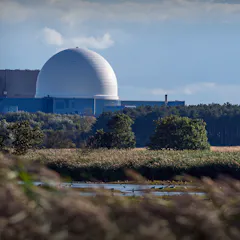
Ghana looks in the direction of nuclear power for help in achieving its industrial ambitions while contributing to the fight against climate change.
When electricity prices become highly variable, the value of firms that use electricity heavily seems to fall 5%.
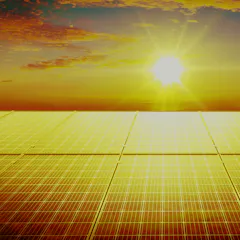
Energy experts – and even Greenpeace – underestimated solar power’s rapid global growth. As this chart shows, solar’s now set to become the world’s biggest power source within the next decade.
Not without a bolder commitment to public ownership.
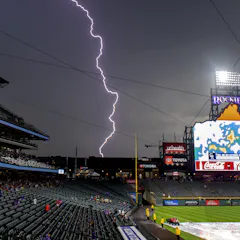
What really happens when lightning strikes cars, what to do if you’re out in the open or on a beach, and other tips.
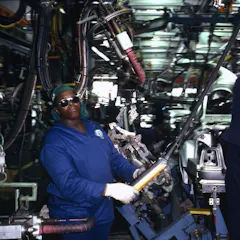
Power outages in South Africa pose a threat to employment.

Electricity networks in cities need the biggest overhaul – but the public can help.
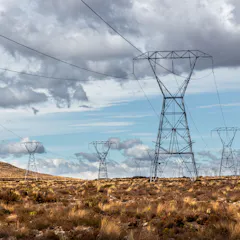
Thousands of New Zealanders live with so-called ‘fuel poverty’ because they can’t afford their electricity bill. A government ‘social tariff’ would be one way to keep homes warm.
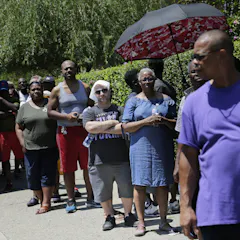
Practices such as redlining left marginalized groups in more disaster-prone areas with poorer quality infrastructure − and more likely to experience prolonged power outages.

These electric aircraft take off and land vertically so they don’t need runways. And they promise a quieter, more accessible and less polluting form of short-distance air travel than helicopters.
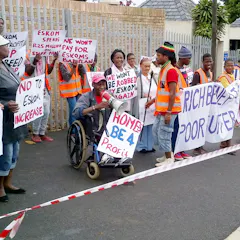
After 30 years of democracy, South Africa is in a deep electricity crisis which can only be solved if the government moves speedily to set up solar and wind plants.

Turning off power is a last-ditch strategy for utilities to reduce the risk that their systems could spark wildfires. In most states, deciding whether to take that step is up to utilities.

New charts and data show how corporate demand could boost clean energy investment in regions where renewable energy potential is strong but wind and solar power have lagged.
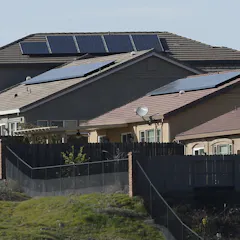
California is considering a controversial proposal for utilities to charge customers for electricity based partly on household income. Two scholars explain how this approach could benefit everyone.
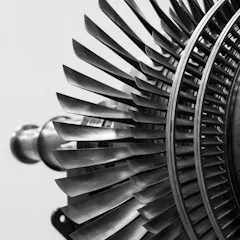
In the 19th century, the world ran on steam. In the 21st century, little has changed. Every thermal power plant still relies on steam as a final stage.

Electric vehicles are catching on across the US, but they’re also catching on fire in colder regions like the Northeast and Midwest.
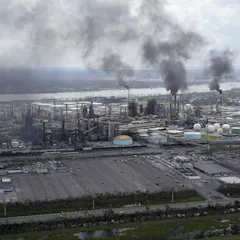
Human societies produce huge amounts of excess heat. Turning it into electricity could play a key role in achieving a net-zero society.
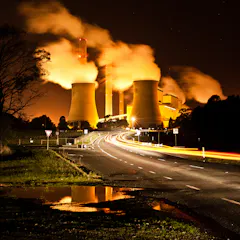
The event has prompted questions about the reliability of the state’s electricity grid. But it’s important to note these extreme winds would have seriously disrupted any power system.
Power prices surged two years ago – and now are falling sharply. Why does it take so long to see relief?
Top contributors
-

Senior Industry Fellow, Environment and Planning, RMIT University
-
Senior Research Associate, Renewable Energy & Energy Systems Analyst, UNSW
-
Senior Fellow in Energy and Climate Change, Grattan Institute
-
Honorary Associate Professor, Centre for Climate Economics and Policy, Australian National University
-
Professor of Physics, University of Johannesburg
-
Professor of Energy and Environmental Economics and International Affairs, Penn State
-
Director of Energy Studies, University of Florida
-
Professor and Director, Victoria Energy Policy Centre, Victoria University
-
Associate Professor, Renewable Energy, Monash University
-
Professorial Fellow, University of Canberra
-
Professor, School of Economics, The University of Queensland
-
Senior Research Associate, University of Johannesburg
-
Associate Professor, Griffith University
-
Visiting Fellow, Crawford School of Public Policy, Australian National University
-
Professor, Discipline of Political Economy, University of Sydney