
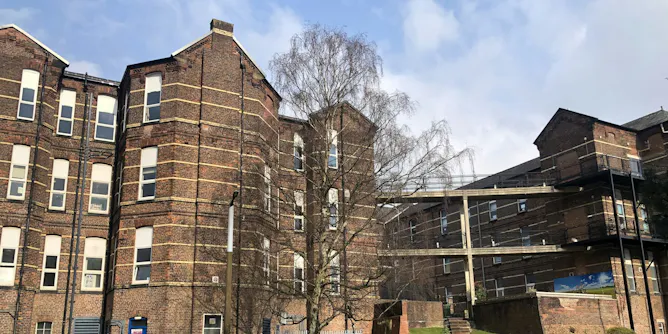
Hospitals have huge environmental footprints – here’s how building design can be more sustainable.
Articles on embodied carbon
Displaying all articles
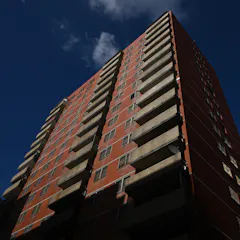
Plans to knock down and rebuild 44 public housing towers are flawed. Retrofitting and upgrading is feasible, cheaper and better for people and the planet.

Construction activity will use up almost half of the world’s remaining carbon budget to keep global warming under 1.5°C unless we totally rethink our approach.
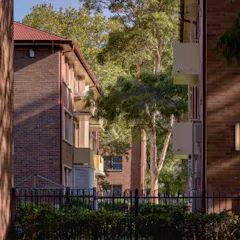
Our research shows decent homes could be lost – and the social and environmental costs of demolition should not be ignored.
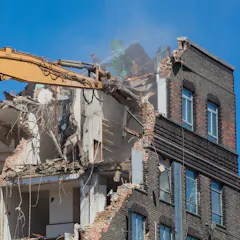
A passport for construction materials could keep resources in circulation for as long as possible.
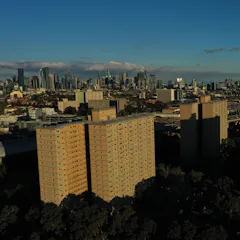
Our research shows decisions on the fate of public housing towers that are based on a proper process of considering all the evidence could go either way: demolish and rebuild, or retrofit.

The pursuit of ‘vanity height’ in skyscrapers is driven by aesthetic appeal and the status of being ‘the tallest’. Redefining how we measure building heights can help cut the environmental cost.
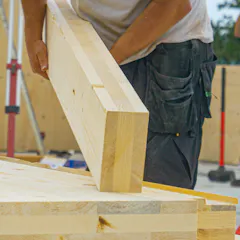
Engineered wood is a sustainable alternative to cement and steel in construction.
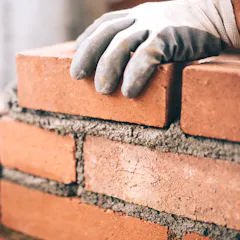
Embodied emissions in buildings could be a hidden setback for carbon reduction targets.
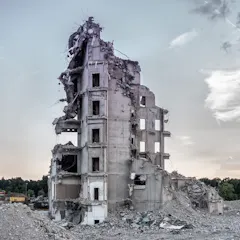
Embodied carbon - carbon produced during a building’s construction - urgently needs reducing, and reusing buildings could help.
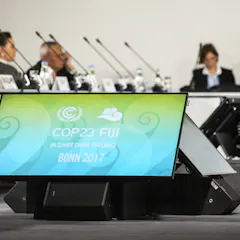
The CO2 we produce when we put up buildings is large and virtually unregulated.
Top contributors
-

Professor of Advanced Building Design, University of Hertfordshire
-
Associate Deputy Vice Chancellor in Research & Innovation, RMIT University
-
Vice Chancellor's Postdoctoral Fellow, RMIT University
-
Associate Professor in Property, Construction and Project Management, RMIT University
-
Professor of Sustainability Science, Edinburgh Napier University
-
Assistant Dean (Sustainability), The University of Melbourne
-
Professor of Sustainable Architecture, Lancaster University
-
PhD Student in Engineering, University of Sheffield
-
Senior Research Associate in Circular Economy & Digitalisation, Lancaster University
-
Associate Professor, Building Technology, Università Iuav di Venezia
-
Associate Professor, School of Architecture, Design and Planning, University of Sydney
-
Research Fellow, Department of Architecture, Monash University
-
Senior Lecturer in Professional Practice and Architectural Design, University of Sydney
-
Research Fellow, School of Communication, Society & Culture, Macquarie University
-
Professor of Practice, University of Technology Sydney