
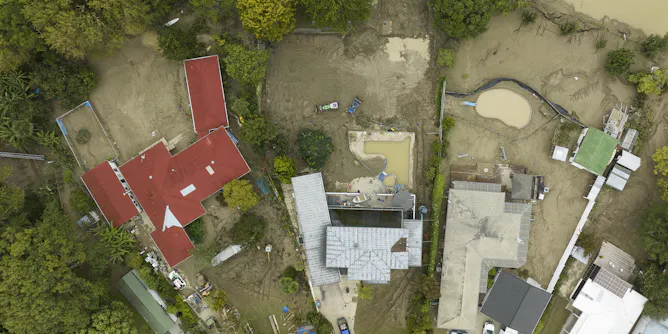
Disasters don’t follow a script. Research shows adaptable relationships between emergency agencies are vital to an effective response.
Articles on Emergency management
Displaying 1 - 20 of 37 articles
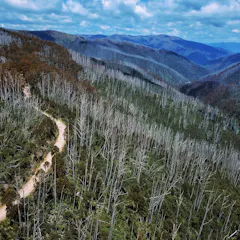
A hotter, drier and more fire-prone future is putting these unique trees at risk.
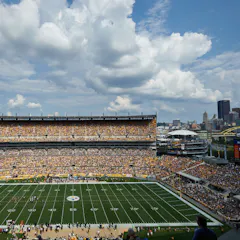
Significant public resources are spent on staffing, overtime, EMS staging, traffic control and interagency coordination that are integral to a successful event.

When fires and floods hit, Aboriginal communities are often left to recover without much, if any, government support.
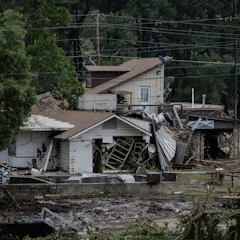
Priced out of ‘safe,’ more and more Americans are moving to flood plains and fire zones.
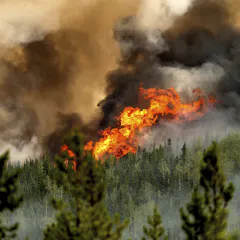
Canadians faces a growing safety crisis yet they remain unprepared. The real danger is complacency.
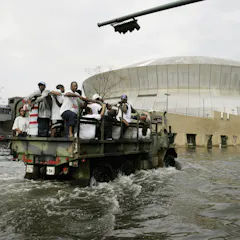
The 2005 hurricane was a disaster made worse by a lack of coordination and communication among governments and emergency leadership on the ground.

Trump’s rhetoric about the future of FEMA is concerning, especially during ongoing disasters.
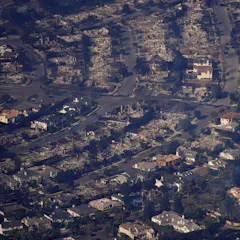
During an emergency event, clear communications are essential for ensuring safety. False alerts, like the one sent out on Jan. 9 in Los Angeles, can contribute to confusion and anxiety.

Former U.S. President Jimmy Carter passed away at the age of 100. He was experienced in nuclear emergency response, and responsible for the formation of FEMA.

Disaster relief requires cooperative, healthy relationships between the president, federal agencies and state, local and tribal governments. But with politicians in the mix, trouble can happen.
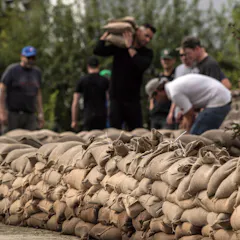
Community initiatives play a vital role yet they are often not recognized by emergency response organizations, and as a result are often under-utilized.
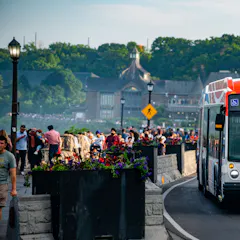
A million people are anticipated to head to the Niagara Region to experience the total solar eclipse on April 8. Keeping large crowds of spectators safe may pose a challenge for the region.
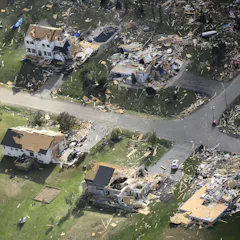
Governments and the media remain focused on responding to disasters, not preventing or preparing for them. Here’s what must change — and will and won’t work — as Canada faces increased disaster risks.
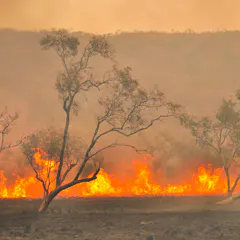
Many people are asking if Australian authorities are ready for the fire season. The real question to ask is – are we ready as individuals?

Creating a federal agency — let’s call it the Emergency Management Agency of Canada or EMAC — would support comprehensive emergency management as Canada faces more and more natural disasters.

All event organizers should be prepared for emergencies and have a communication plan.

Canada’s emergency management system is poorly funded and lacks consistent attention between disasters. This chronic underfunding has undermined public confidence and trust in emergency management.
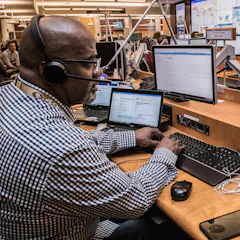
Burnout as the result of workplace stress has big implications for employers. Occupational health and safety standards require employers to protect both the physical and mental health of workers.

Misunderstanding disaster warnings can have catastrophic consequences for people who don’t speak the language used for emergency communications.
Top contributors
-

Associate Professor of Disaster and Emergency Management, York University, Canada
-
Associate Professor, Applied Disaster and Emergency Studies Department, Brandon University
-
Associate Professor of Emergency Medicine, The Ohio State University
-
Associate Professor of Geospatial Engineering, UNSW
-
Professor of Emergency Medicine, The Ohio State University
-
Eugene M. Isenberg Chair in Integrative Studies, UMass Amherst
-
Associate Professor of Global and Sociocultural Studies, Florida International University
-
Professor of International Politics, University of Warwick
-
Ph.D. Candidate in Information Systems Engineering, Ben-Gurion University of the Negev
-
Professor of Information Systems Engineering, Ben-Gurion University of the Negev
-
Professor of Electrical, Computer and Biomedical Engineering, University of Hartford
-
Professor, Digital Media Research Centre, Queensland University of Technology
-
Assistant Professor, Faculty of Medicine, L’Université d’Ottawa/University of Ottawa
-
Team Leader, Bushfire Urban Design, CSIRO
-
Senior research fellow, The University of Melbourne