

Research suggests relationships are key to ensuring home energy upgrade programs work.
Articles on Energy demand
Displaying 1 - 20 of 21 articles
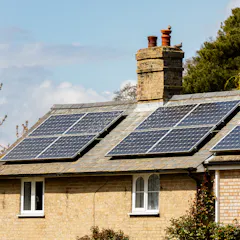
Encouraging people to use electricity when it’s clean and cheap may be better than temporarily disconnecting solar and wind farms.
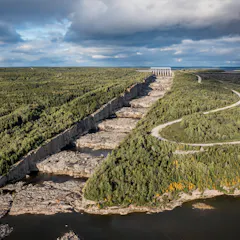
In the face of the energy transition, producing energy will be much more expensive than energy efficiency, which is still largely under-exploited.
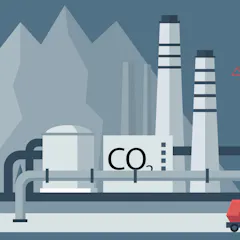
To reduce emissions put into the atmosphere, Google is using carbon capture and sequestration. But not all CCS projects are the same.
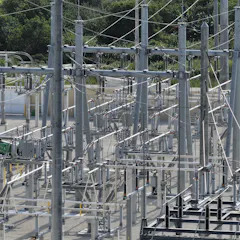
The equipment needed to keep the grid running is hard to make, and materials are limited. And supply-chain bottlenecks are taking years to clear.
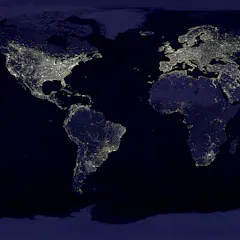
Power grids could likely handle the surge of demand, but all that light would pollute dark zones nearby.
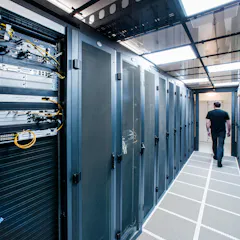
AI is disturbing the push to electrify vehicles, heating and other sectors running on fossil fuels.
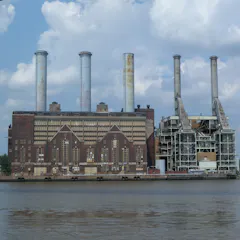
As renewables account for a growing share of electricity supply, fossil fuel plants are increasingly used to balance fluctuations in renewable generation – emitting health-threatening pollutants.
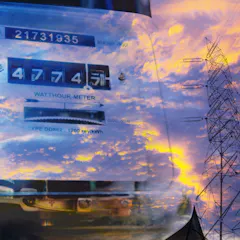
Rather than paying ageing power stations to stay open in the transition to renewable energy, demand flexibility is cheaper and cleaner way to ensure the system has enough capacity.
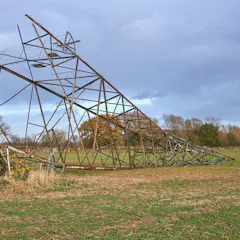
Extreme weather is a threat to the UK’s electricity system – and climate change is likely to make it even worse.

A study of 230 electric vehicles found only 25% of charging happens during peak demand periods. Their patterns of use also mean spare battery capacity could be fed into the grid at these times.
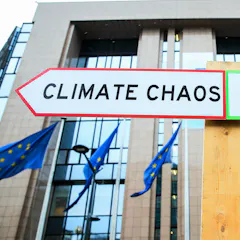
Energy inequality will have to reduce substantially by 2050 to maintain a safe climate and decent living standards for all.
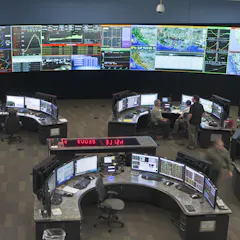
Sometimes wind and solar power produce more electricity than the local grid can handle. Better energy storage and transmission could move extra energy to where it’s needed instead of shutting it off.

The process of manufacturing gallium-doped solar panels was under a patent until last year. It’s only now that this method has started to pick up steam.
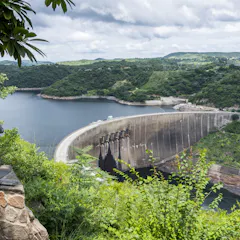
The socio-economic and political factors that keep conventional energy out of reach of the poor can do the same with renewable energy.
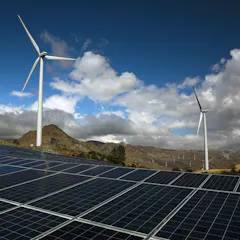
The US electricity grid is actually five regional grids, and it’s hard to share power between them. A macrogrid could bridge the gaps, making electricity cheaper and more reliable.

Ramping up fossil power sources is no longer a good option in an energy-supply crisis. Bring in the weather forecasters.
Electricity is only one part of the green energy puzzle we need to solve.

Consumers can play their part in reducing carbon emissions by choosing to shift their energy use to when renewable generation is at its daily peak.

Those endless cups of tea while working from home are unlikely to add much to your electricity bill. But coronavirus poses other problems for the electricity sector.
Top contributors
-

Associate professor, UNSW
-
DPhil Candidate, Department of Atmospheric Physics, University of Oxford
-
Postdoctoral Researcher in Climate Risk Analytics, University of Bristol
-
Senior Research Fellow, Victorian Hydrogen Hub, Swinburne University of Technology
-
E-Mobility Doctoral Researcher, The University of Queensland
-
Lecturer, School of Electrical Engneering and Computer Science, The University of Queensland; The University of Western Australia
-
Director of Energy Studies, University of Florida
-
Professor of Electrical Engineering, Iowa State University
-
Professor of Energy Economics and Policy, University of Reading
-
Senior Research Associate, University of Johannesburg
-
Postdoctoral Researcher in Photovoltaic Engineering, University of Oxford
-
Professor and Director, Victoria Energy Policy Centre, Victoria University
-
Lecturer in Energy, Glasgow Caledonian University
-
Postdoctoral Research Fellow on Flexibility in Energy Demand, University of Reading
-
Professor of Engineering, Washington University in St. Louis