
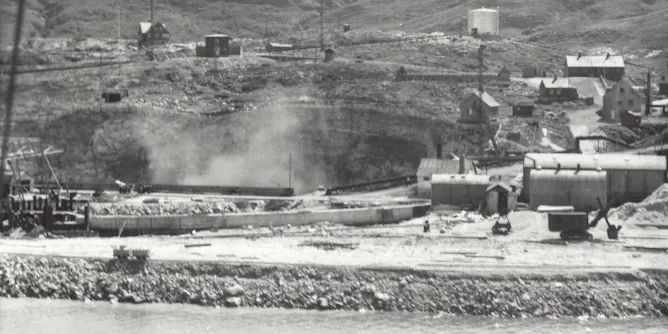
Strategic resources have been central to the American-led global system for decades, as a historian explains. But US actions toward Greenland today are different.
Articles on Environment
Displaying 61 - 80 of 306 articles

Over a three-decade experiment in the Rocky Mountains, fungi and plant life fundamentally changed. The result has consequences for cattle and wildlife.

Cement is responsible for about 8% of global greenhouse gas emissions, and demand is growing. Alternatives like geopolymers can help lower the impact.
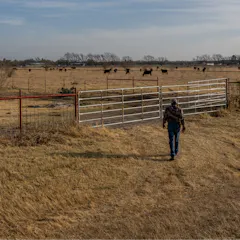
The Southern Plains states get a severe drought about once a decade, but long-lasting droughts lately have been leaving farms, rangeland and water sources with too little time to recover.

US Olympic skiers and scientists explain the sharp differences between natural snow and machine-made snow, from the science to the rising risk of crashes.
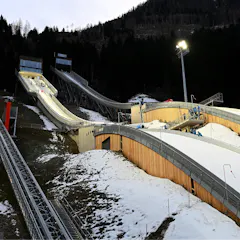
Innovations have made recent Winter Games possible, but the future climate will have a big impact on where the Olympics can be held and winter sports themselves.

A federal judge dealt one blow to the effort when he found the administration had violated the law in handpicking a panel to question climate science.

Medieval texts and frescoes show how Francis of Assisi’s legends formed – and why his call to poverty and care for creation still resonates.

Some of these ‘forever chemicals’ are toxic at very low levels. They can get into water systems and bioaccumulate in fish, ultimately posing risks to people.
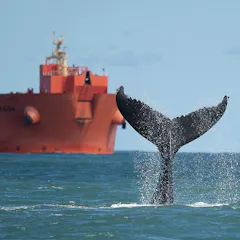
Despite Brazil’s recent expansions of protected areas, research shows that the favorite habitats of whales and dolphins are still threatened by human activities.

The atmosphere is a complicated place. Warm temperatures in one spot can contribute to brutally cold storms somewhere else.
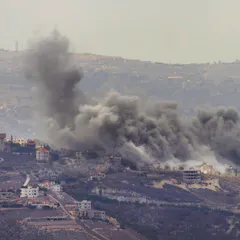
Ongoing conflict, particularly in a three-month period in late 2024, caused widespread environmental destruction and the spread of toxic materials.

Coal mines are notorious sources of acid mine drainage, but the orange sludge that threatens water supplies and wildlife also contains valuable rare earth elements.
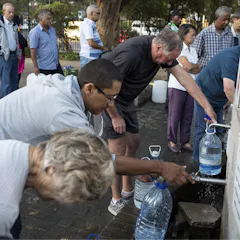
Like living beyond your financial means, using more water than nature can replenish can have catastrophic results.
The EPA is changing how it assesses proposed regulations by dropping the monetary value of health benefits from its cost-benefit analyses. That misses a big piece of the picture.
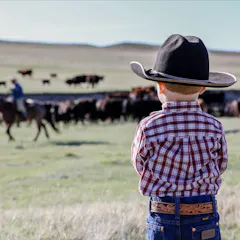
Beef is a source of complete protein for humans, but its production results in greenhouse gas emissions.
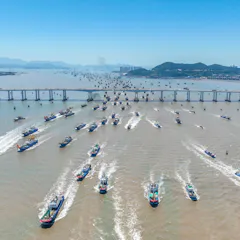
The expansion of Arctic shipping, scramble for seafloor mining and overfishing are all straining international relationships. But the powers of diplomacy go beyond ocean treaties.
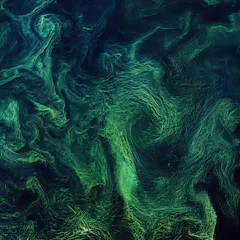
Some methods being tried to counter climate change shift the ocean’s biology or chemistry. Others would deflect solar radiation. All have consequences for marine life.
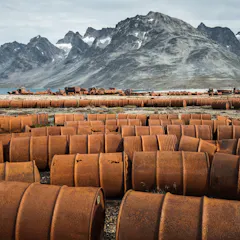
History also shows that many of the fanciful engineering ideas for Greenland failed because they misjudged the island’s harsh climate and dynamic ice sheet.
Marine viruses attack cells, but the material that spills out helps fuels marine life around the world.
Top contributors
-

Professor in Wildlife Ecology and Conservation, School of Life & Environmental Sciences, Deakin University
-
Professor of Transport Technology and Sustainability, Swinburne University of Technology
-
ARC Future Fellow and Associate Professor in Climate Science, ARC Centre of Excellence for 21st Century Weather, The University of Melbourne
-
Senior Fellow in Energy and Climate Change, Grattan Institute
-
Adjunct Professor of Environmental Geography, CQUniversity Australia
-
Research Associate, Institute for Climate Risk and Response, UNSW
-
Distinguished Professor of Ecology, Fenner School of Environment and Society, Australian National University
-
Professor of Law, Deakin University
-
Professor in Conservation Science, School of the Environment, The University of Queensland
-
Professor, School of Economics, The University of Queensland
-
Professor of Conservation Biology, Charles Darwin University
-
University Fellow in Biodiversity, Charles Darwin University
-
Senior Research Associate, School of Agriculture, Food and Ecosystem Sciences, The University of Melbourne
-
Curator, Amphibian & Reptile Conservation Biology, Australian Museum, UNSW
-
Chief Research Scientist, CSIRO Environment; Executive Director, Global Carbon Project, CSIRO