
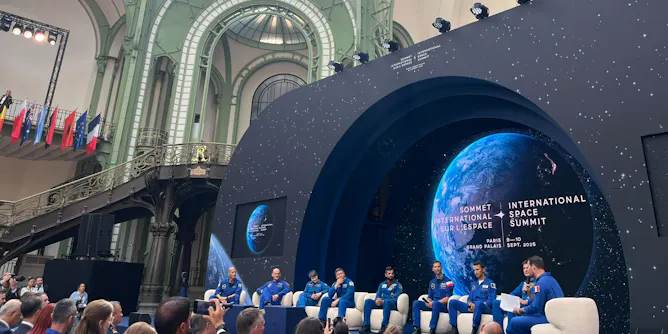
Paris’ International Space Summit was an opportunity to understand what and who Europe needs to reliably sustain its launch ambitions and become a world-class leader in Space.
Articles on European Space Agency (ESA)
Displaying 1 - 20 of 95 articles
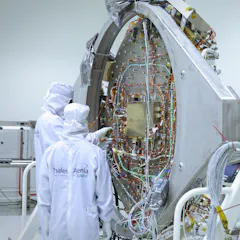
Europe’s leading aerospace industry players have no choice but to work hand in hand to further its space missions and develop critical infrastructure for security and climate protection.
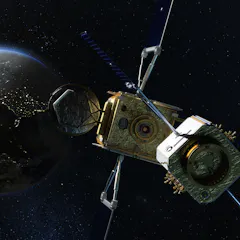
A new mission to save NASA’s Swift observatory shows why catching a satellite that was never designed for rescue is one of the hardest jobs in spaceflight.
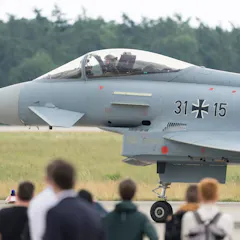
Understanding the coopetition mechanics behind Europe’s defence dilemma is vital and key for making much-needed headway.
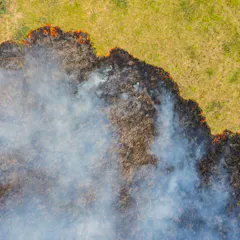
Studying the scale and intensity of previous fires can help us to detect thermal hotspots earlier and support faster, smarter crisis response and post-fire restoration.
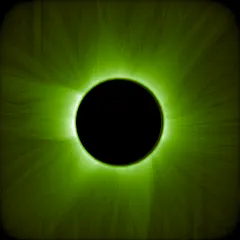
There’s a pressing need to understand and respond to what’s known as “space weather”.
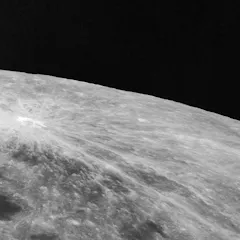
The US, China, India, Europe and Japan all have exciting missions on the horizon in 2026. Many of them are collaborative feats.
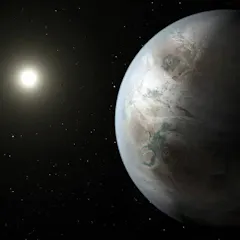
Observatories could identify gases potentially associated with life in the atmospheres of other worlds.
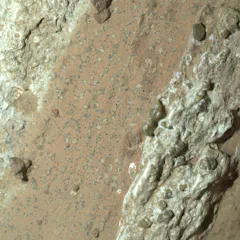
The rock is peppered with spots that could have been formed by microbes four billion years ago.
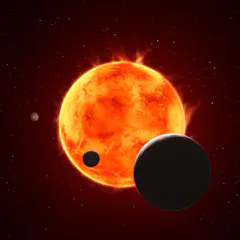
The largest telescope in space has been trained on a rocky exoplanet.
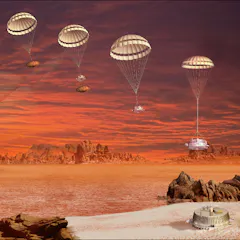
Space exploration would have been poorer without the successes of Esa.
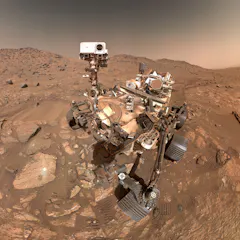
Scientists will have to check whether the samples contain living microbes before they can be safely studied.
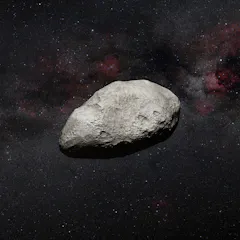
The chances of asteroid 2024 YR4 hitting Earth are small but fluctuating.
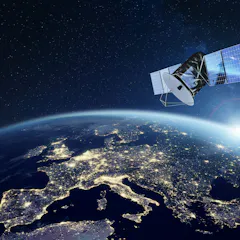
Europe’s first multi-orbital satellite network aims to provide secure EU governmental communications. It will consist of some 300 satellites and is scheduled for full implementation by 2030.
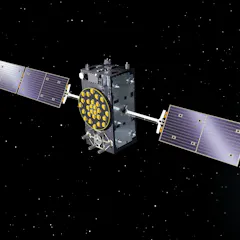
The Galileo satellite project brought major players in the European space industry into “coopetitive” relationships. Effective governance is key to managing the tensions inherent in such undertakings.
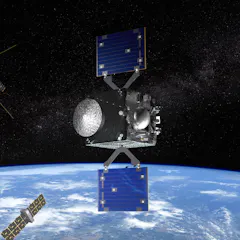
Ramses, a European space mission to study the asteroid Apophis, has been approved for perparatory work.
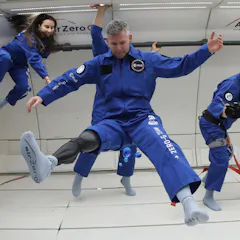
Disabled astronauts have lots to offer, but spaceflight has traditionally been limited to the able-bodied.

A European DARPA might answer the challenges listed in the 2024 Draghi Report, provided that the governance and management of European innovation programmes are drastically modified.
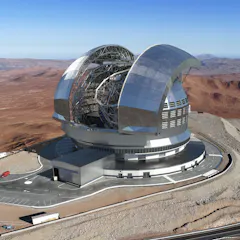
Cosmology could be transformed by a new wave of telescopes – both on the ground and in space.
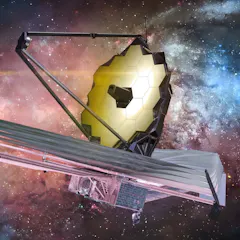
Some of the earliest galaxies found with JWST are also the brightest. That’s a problem for our ideas about the universe.
Top contributors
-

Professor of Planetary and Space Sciences, The Open University
-
Professor of Physics, Deputy Director (Solar System) at the Mullard Space Science Laboratory, UCL
-
Enseignante-chercheuse en Management Stratégique, Montpellier Business School, Montpellier Business School; European Academy of Management (EURAM)
-
Professor of Planetary Geosciences, The Open University
-
Professor of Strategy and Security Studies, Air University
-
Professeur des Universités, Université de Montpellier; European Academy of Management (EURAM)
-
Professor of Planetary Science, University of Leicester
-
Scientist, Max Planck Institute for Solar System Research
-
Lecturer in Orbital Mechanics, Surrey Space Centre, University of Surrey
-
Senior Lecturer in Physics, Nottingham Trent University
-
Postdoctoral research associate, University of Oxford
-
ARC Laureate Fellow and Winthrop Research Professor at the International Centre for Radio Astronomy Research, UWA., The University of Western Australia
-
Professor of Astrophysics Education, The Open University
-
Professor of Astronomy, Liverpool John Moores University
-
Professor of International Studies; Adjunct Professor of Law, University of Washington