
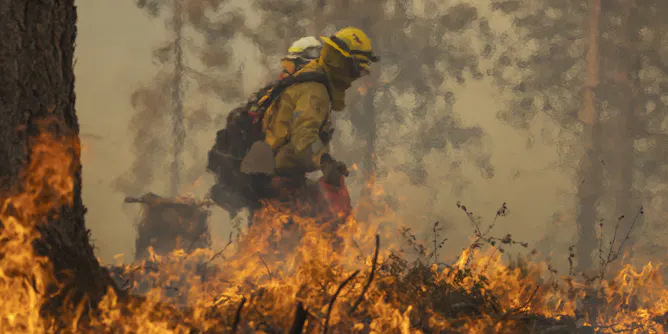
Wildland firefighters face heat from the environment, the fire and their own bodies as they work long, exhausting hours. The head of Purdue’s fire lab explains the health risks and what can help.
Articles on Firefighters
Displaying 1 - 20 of 40 articles

Public safety workers face rising rates of psychological injury and suicide. Research suggests employers are focusing on the wrong solutions.
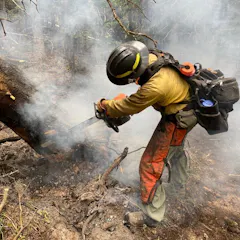
The risk to firefighters isn’t just from breathing wildfire smoke – it’s also in the chemicals that get on their clothes and filter through to their skin.
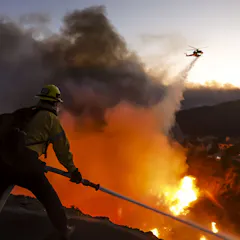
Fire seasons on both sides of the Pacific overlap for seven weeks a year – and changes in Australia’s climate are driving the problem.
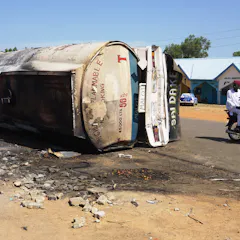
Fuel tanker accidents in Nigeria can be prevented by restructuring the built environment, providing parking spaces for the tankers, and constructing good roads.
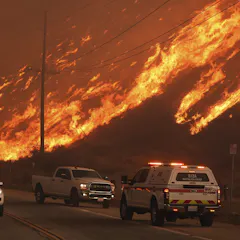
Fire spotters used to watch with binoculars from forest towers. Now, technology can help forecast fire behavior, but human experience is still essential.

As bushfire seasons grow longer and more intense, Australia needs new weapons in its firefighting arsenal.
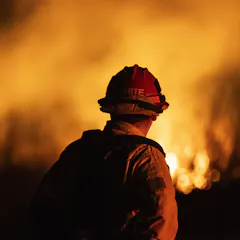
Feelings of sadness or irritability that last a month or more after a life-threatening event could be signs of acute stress or PTSD.
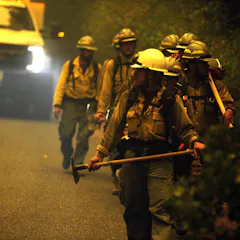
Firefighters work long hours to protect communities, often in dangerous conditions and for low starting pay. Surveys show the impact that can have on their physical and mental health.

Containing and extinguishing mega blazes like the one that reached Jasper is an all-hands-on-deck affair that draws upon expertise from around the world.
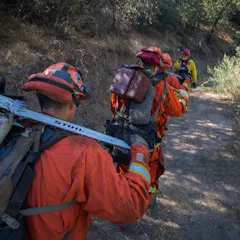
Georgia’s inmate fire crews respond to hundreds of calls in surrounding counties every year. Without them, there might not be a responder, but they aren’t universally loved – and they don’t get paid.
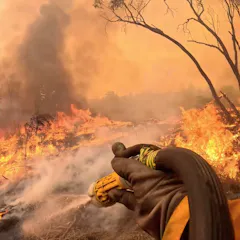
Survey respondents overwhelmingly prioritised saving a human life – even if that person had been repeatedly told to evacuate and even if, as a consequence, a snail or shrub species became extinct.
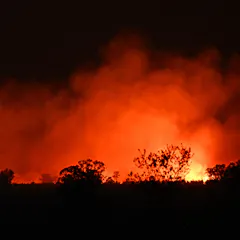
Normally, many bushfires ease overnight, as temperatures fall and moisture in the air rises. But these are not normal times, as Queensland’s early-season fires are showing
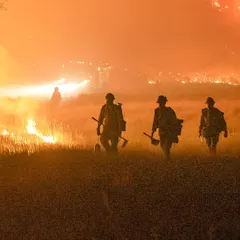
Working a day on the firelines as a wildland firefighter can require the endurance of riding the Tour de France. That takes a toll, as a physiologist explains.
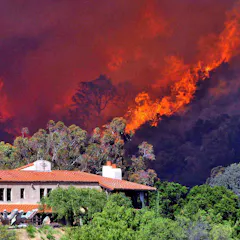
Adapting to our fiery future means preparing for the risks and not putting out every low-risk wildfire, writes the author of a new book on learning to live with fire.
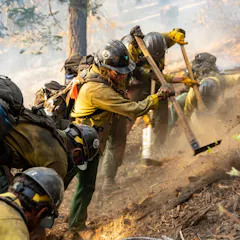
Twenty-five years of research show what it takes to fuel wildland firefighters through an average day, and the toll the long seasonal work takes on their bodies.
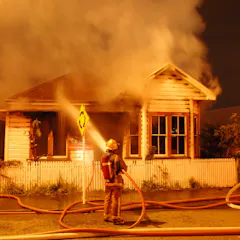
Firefighters are ringing the alarm about underfunding that’s potentially putting lives at risk. But can industrial law resolve those deeper issues?
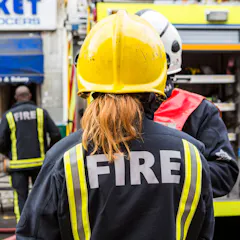
With extreme weather events becoming more common, the fire and rescue service will need to change its approach.
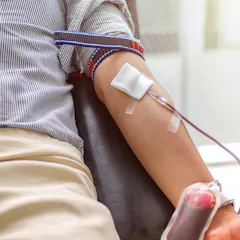
In a new randomised clinical trial, we found regularly donating blood or plasma can reduce blood PFAS levels.
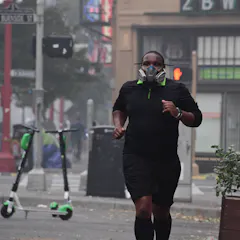
To stay healthy, it’s important to understand how wildfire smoke can harm your body and how to protect yourself.
Top contributors
-

Professor of Employment Relations, School of Business and Law, CQUniversity Australia
-
Professor of exercise and work physiology, University of Montana
-
Associate Professor of Organisational Behaviour, University of Wollongong
-
Emeritus Professor of Public Policy, RMIT University
-
Professor, Geography Department, University of Utah
-
Professor of Leadership and Management, Edge Hill University
-
Project Manager, University of Wollongong
-
adjunct professor, School of Psychology & Public Health, La Trobe University, La Trobe University
-
Postdoctoral fellow, University of Leeds
-
Honorary Professorial Fellow, The University of Melbourne
-
Deputy Director, Center for Environmental Journalism, University of Colorado Boulder
-
Professor of Psychology, Nottingham Trent University
-
Professor, University of Sydney Business School, University of Sydney
-
Associate Professor in Organisations and Leadership, University of Canterbury
-
Research Associate, University of Wollongong