
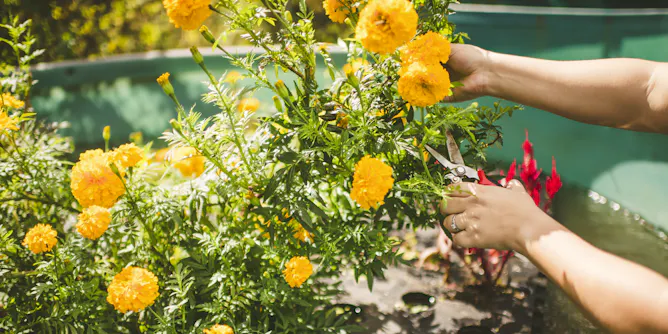
Phosphorus and nitrogen contribute to water pollution and cause harmful algal blooms. New research shows how mats of floating flower beds can take advantage of these nutrients while cleaning the water.
Articles on Flowers
Displaying 41 - 60 of 98 articles
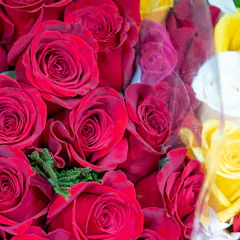
Coming to grips with the economics of roses can be a thorny issue.

A scholar of Hinduism explains the importance of the consecration ritual, which is believed to bring the presence of the divine into the temple.
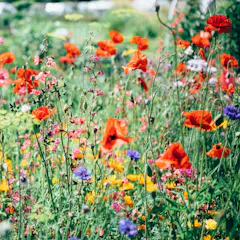
Flowers tend to stand out against a natural background. A new study shows this contrast evolved in a key relationship with their most famous pollinators – bees.

The fossil record tells conflicting stories about what happened to flowering plants after the asteroid.

Humans have figured out how to season their food with virtually every part of plants.
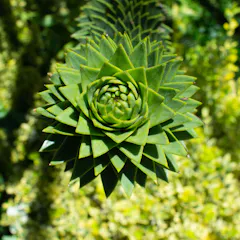
The arrangement of leaves on most plants follows a mathematical pattern – new research sheds light on how it evolved.
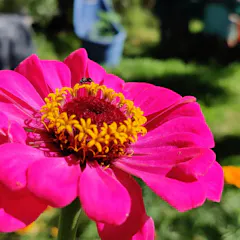
New research suggests insects have pollinated flowers since the pollen-bearing blooms first evolved more than 140 million years ago.
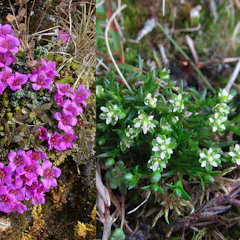
Why we need to pay more attention to these minute flowers and how they survive in some of the harshest places in the world.

As we approach the start of gardening season, it’s a good time to ask some questions about what to plant and who gets to plant.

Scientists are learning amazing things about bees’ sensory perception and mental capabilities.

Plath’s sublime nature poetry deserves widespread appreciation for its unfettered joy and deep attunement to the natural world.
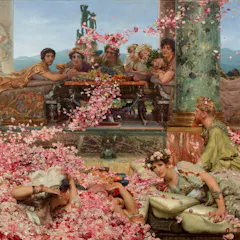
In the past, roses on Saint Valentine’s Day were something unexpected, and very expensive.
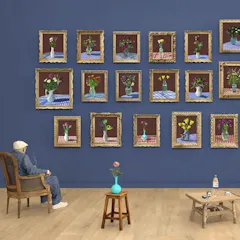
Hockney’s 20 Flowers and Some Bigger Pictures depict joy in the humdrum of domesticity.
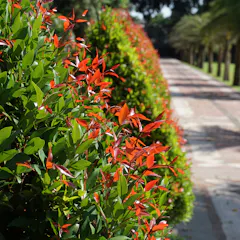
Lillipillies are one of Australia’s great gifts to the natural world. But the story of these homegrown heroes may be taking a grim turn.
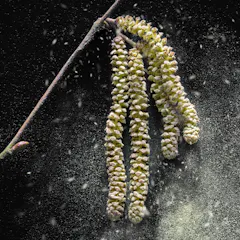
Pollen brings seasonal misery to millions of Americans, but it serves a critical purpose: fertilizing many kinds of plants, including food crops.
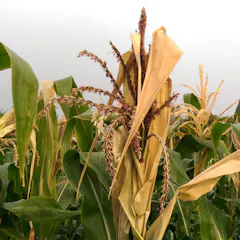
The climate crisis makes it important to investigate and understand the mechanisms of plant growth if we are to keep agricultural crops sustainable.
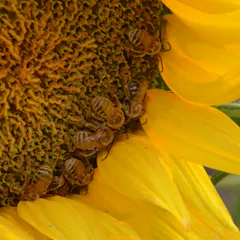
Huge single-crop fields attract bees in such numbers that they spread parasites to one another. Planting diverse mixes of flowers around fields helps spread out pollinators and keep them healthy.
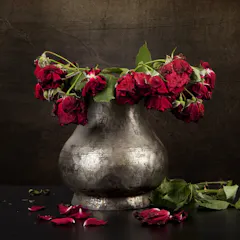
February 14 brings great expectations.
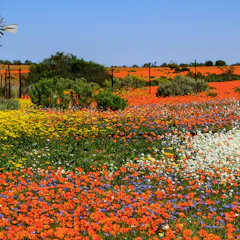
The progressively earlier flowering places the daisies at greater risk of failed flowering seasons. This would be a blow to biodiversity and tourism.
Top contributors
-

Senior Research Associate, School of Agriculture, Food and Ecosystem Sciences, The University of Melbourne
-
Associate Professor, Department of Physiology, Monash University
-
Baobab Ecologist, University of the Witwatersrand
-
Associate Professor of Business, Boston University
-
Assistant Professor in Sociology, University of Surrey
-
Visiting Lecturer, BA Fine Art Mixed Media, University of Westminster
-
Extension Agent, University of Florida
-
Laboratory and Technical Support Officer, Australian Tropical Herbarium, James Cook University
-
Founder of Msit No’kmaq
-
Professor of Floriculture and Ornamental Horticulture, Mississippi State University
-
PhD Candidate, Social Justice Education, Ontario Institute for Studies in Education, University of Toronto
-
Lecturer in Evolutionary Biology, University of Reading
-
PhD Candidate, Australian National University
-
Research Fellow in viticulture and fermentation, University of Tasmania
-
Associate Professor in History of Modern Science and Technology, University of Cambridge