
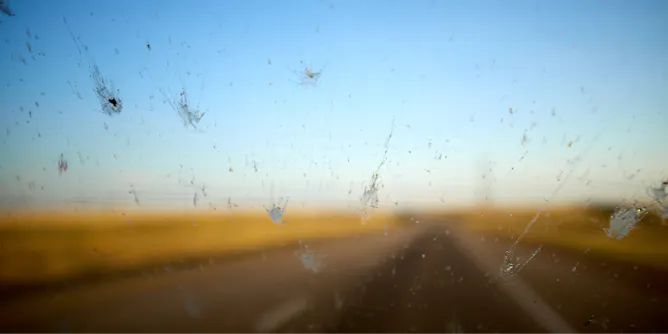
Insects are under threat partly because of man-made climate change, heatwaves and intensive farming.
Articles on Insects
Displaying 1 - 20 of 536 articles

Tsetse flies move between a broad range of animals. They connect wildlife, livestock and humans in complex transmission networks.
When we lose insect species without even knowing they existed, we will never know where they lived, what they looked like, how they interacted with other species or the impact they had on ecosystems.
And why you should let them share your picnic ham and jam.

Researchers were surprised to find how widespread this magnetic property was, not only across families of bees but also beetles, wasps and flies.
Human-made carbon dioxide emissions threaten the very survival of our larger pollinators.
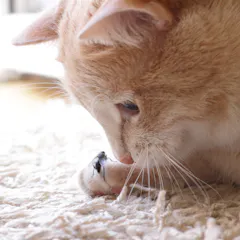
A look at cats’ diets as reported by researchers over many years shows they eat a lot more than people might think.
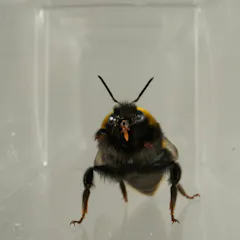
A new study builds on a wave of new work that is daring to suggest insects might have a form of consciousness.

The ballista spider only feeds on extremely fierce green tree ants – so it has evolved sophisticated tools to safely catch its prey.
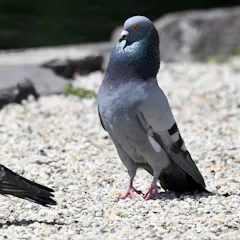
Dune flies have 41 different dance moves. Changing even one of them is rarer than you’d think.
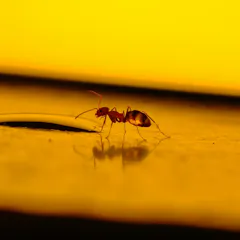
There are 10 quintillion insects in the world. Here’s what to do with the ones in your house.

Teach mozzies to link the smell of DEET with food, and they might seek it out. So what does this mean?
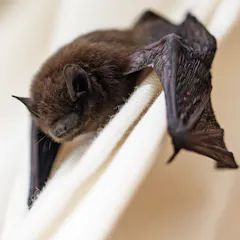
A bat biologist walks through the steps for persuading a bat to leave your home, and what to do when a whole family decides to roost in your attic.
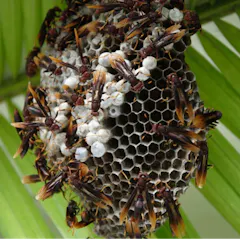
Well, someone has to keep the larvae fed.
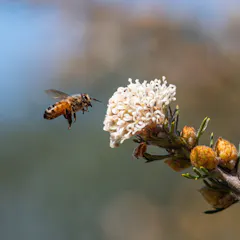
Bees may have tiny brains but they can make rapid and accurate choices.

A newly discovered, rare species of moth appears to live only in the Florida scrub. Scientists hope that naming it will allow it to be protected.
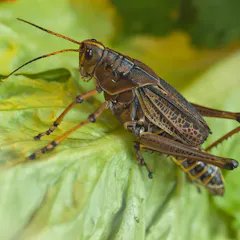
Research among adult visitors to the Montréal Insectarium reveals that many people will consider eating insects, especially when they are ground up as flour.
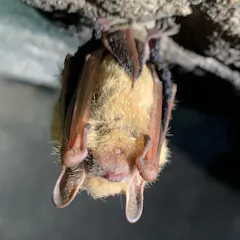
When bats disappear, farms become less productive, and that has broad implications far beyond the crops.
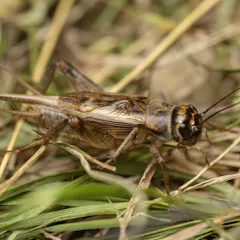
A new study supports a burgeoning challenge to the assumption that pain requires a brain anything like ours.

Pollinators support our nutritional health and are critical for crops of fruit, vegetables and beans.
Top contributors
-

Associate Professor in Entomology, University of Sydney
-
Clinical Associate Professor, School of Medical Science & Sydney Infectious Diseases Institute; Principal Hospital Scientist, University of Sydney
-
Professor of Behavioural Ecology, UCL
-
Lecturer in Ecology, University of New England
-
Associate Professor, Department of Physiology, Monash University
-
Director of the Australian National Insect Collection, CSIRO
-
Lecturer, School of Life and Environmental Sciences, University of Sydney
-
Research Fellow, School of Biological Sciences, Monash University
-
Postdoctoral Researcher in Mycology, West Virginia University
-
Adjunct associate, CSIRO
-
Associate Professor, Ecology, Northumbria University, Newcastle
-
Assistant Professor, Faculty of Agriculture, Dalhousie University
-
PhD Candidate in Zoology, University of Otago
-
Professor, School of Natural Sciences, Macquarie University
-
Senior Research Associate in Entomology, Lancaster University