
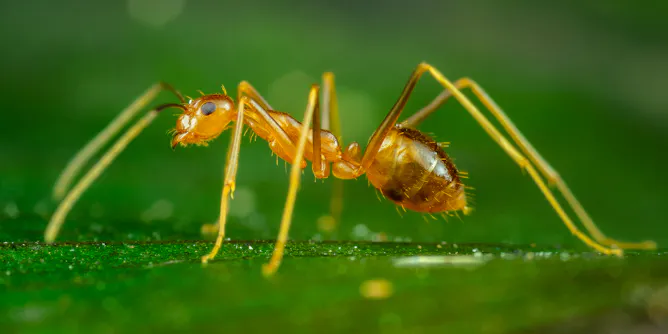
Biological invasions can severely harm the welfare of animals, causing them to suffer. AWICIS is a new framework that can be used to assess the severity of these impacts.
Articles on Insects
Displaying 21 - 40 of 536 articles
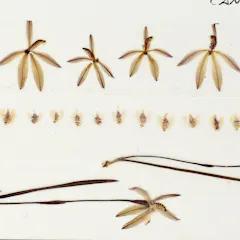
Orchids aren’t just beautiful or rare – they’re ecological time capsules that offer clues to the long-term health of ecosystems.
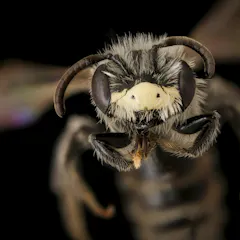
The accusations you might have heard about nonnative honey bees aren’t backed up by evidence. In fact, there are plenty of ways bees make the world a better place.
There is poor knowledge and a lack of clarity on international regulations governing trade in insects.
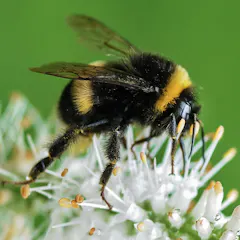
Turns out humans are not alone in mastering rhythm.

Many insects in Africa are likely to face dangerous levels of heat stress, with serious consequences for ecosystems.

The ability of queen bumblebees to breathe and survive underwater could play an important — and previously overlooked — role in the resilience of threatened bee populations.

A global butterfly index could help track butterfly populations worldwide and how environmental changes are impacting them.
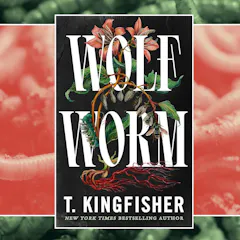
Bugs abound in this terrifying story of scientific ambition.
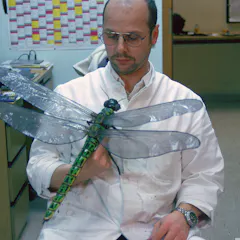
Scientists thought giant dragonflies couldn’t survive in today’s atmosphere – but a study of dozens of insect species shows that’s not the case.
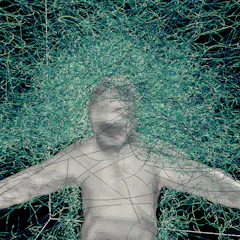
Analyzing 20 million recorded mosquito flight paths revealed the mathematical rules behind how these tiny predators move and zero in on their human targets.

Insects are an appealing food source because they are rich in protein and require few resources. While a possible future solution, they also have risks and limitations.

These tiny critters have shaped the health of our planet for hundreds of millions of years.
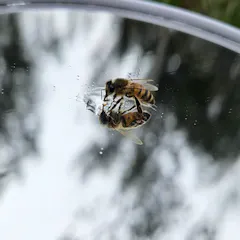
Humans and bees can both work with mathematics. Could aliens do the same?
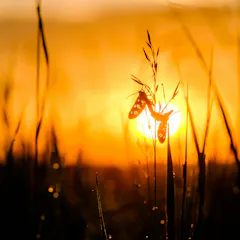
Insects have a range of fascinating ways to keep cool. We can help them too.
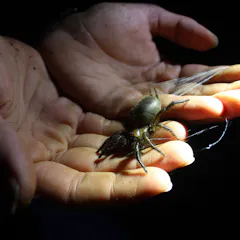
Take the personality quiz to match with one of NZ’s larger-than-life little creatures, then cast your vote.

Medium-density housing has limited green spaces, but even small planted patches can provide enough food and habitat to enhance urban biodiversity.
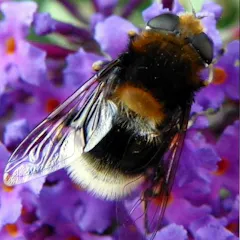
When you’re an animal undercover, sometimes it’s not enough just to look like someone else
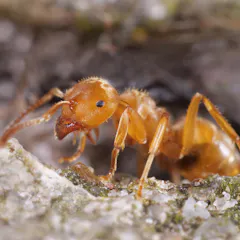
Starting a colony is a dangerous enterprise - so some ants find creative and brutal techniques to take over other queens’ work.
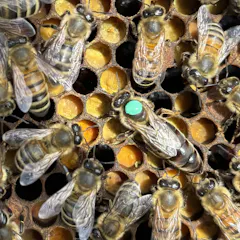
New research shows that virus infections change the queen’s pheromone, which may lead to a grim demise.
Top contributors
-

Associate Professor in Entomology, University of Sydney
-
Clinical Associate Professor, School of Medical Science & Sydney Infectious Diseases Institute; Principal Hospital Scientist, University of Sydney
-
Professor of Behavioural Ecology, UCL
-
Lecturer in Ecology, University of New England
-
Associate Professor, Department of Physiology, Monash University
-
Director of the Australian National Insect Collection, CSIRO
-
Lecturer, School of Life and Environmental Sciences, University of Sydney
-
Research Fellow, School of Biological Sciences, Monash University
-
Postdoctoral Researcher in Mycology, West Virginia University
-
Adjunct associate, CSIRO
-
Associate Professor, Ecology, Northumbria University, Newcastle
-
Assistant Professor, Faculty of Agriculture, Dalhousie University
-
PhD Candidate in Zoology, University of Otago
-
Professor, School of Natural Sciences, Macquarie University
-
Senior Research Associate in Entomology, Lancaster University