
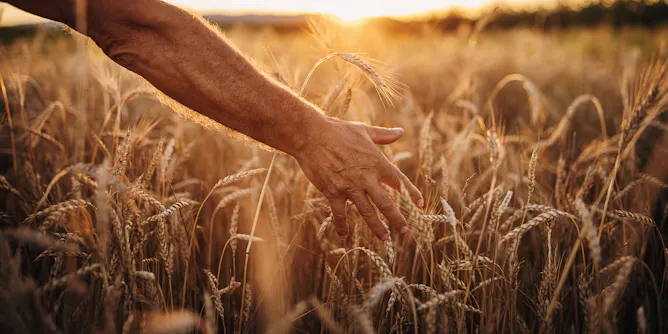
Wheat is one of the most popular grains globally. But climate change is making it harder to grow, harvest and distribute this crucial crop.
Articles on Food security
Displaying 21 - 40 of 549 articles
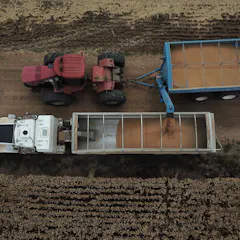
Access to open sea lanes is critical not just for economic prosperity, but for ensuring Australians can reliably access food.
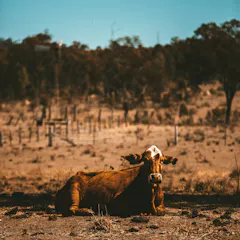
Australia produces enough food for 75 million people. But intensifying heat and natural disasters and competition for water are eroding food security.
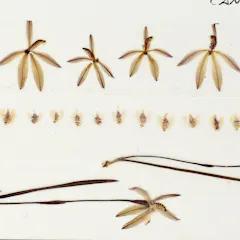
Orchids aren’t just beautiful or rare – they’re ecological time capsules that offer clues to the long-term health of ecosystems.
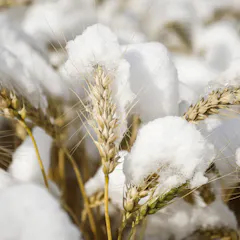
By identifying the genes that allow plants to pause growth during stress and restart, we can help ensure crops produce reliable harvests in a changing climate.
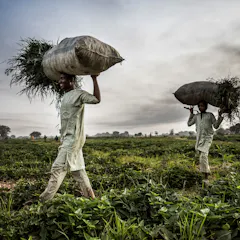
When conflict leads to abandoned fields, lost livestock, or altered investment decisions, it undermines food security and development.
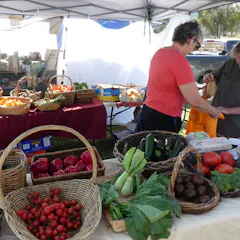
This shock to our food system is not the first, and won’t be the last. A focus on band-aid solutions that prop up the current system undermines long-term resilience.
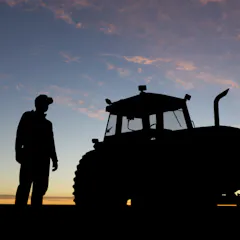
If we want to keep our food supplies secure, understanding what farmers need in diesel supplies now – and in coming months – will be crucial.
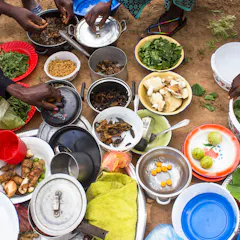
Millions of people in west Africa and the Sahel region face starvation.
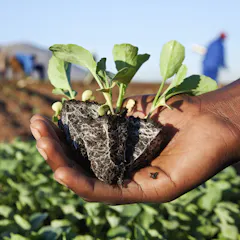
Women farmers in KwaZulu-Natal have had to abandon their fields because the government has failed to maintain irrigation systems built in the apartheid era.
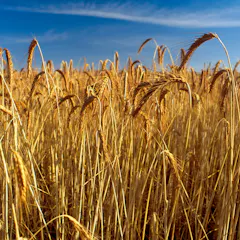
Sustained extreme heat can damage, weaken and kill all living things, from wheat crops to koalas and fruit bats.
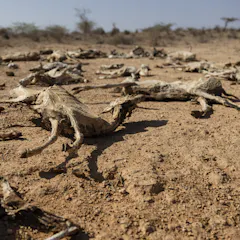
Without rapid cuts to fossil fuels and a shift to clean energy, climate change could drive over a billion into hunger by 2100, hitting Africa hard.
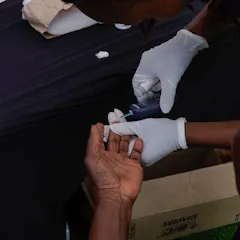
Many African food groups significantly reduce oxidative stress linked to type 2 diabetes and lower the production of inflammatory markers.

If the systems sending our food to market are just overseen by machines, then there’s going to be issues that could result in a food crisis.
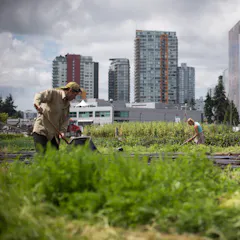
Across the world, urbanization affects how food is grown, distributed and consumed, and cities are primary drivers changing food systems.
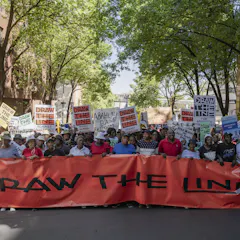
For the first time, countries now have a shared way to understand whether the world is actually improving at adapting to climate impacts.

Can gene editing truly support smallholder farmers and help Indonesia achieve food sovereignty, or will it simply revive the old controversies surrounding GMO crops?
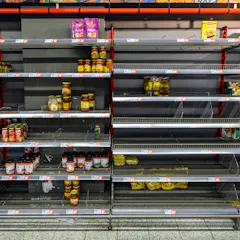
More extreme weather is set to cause more more problems for farmers and supermarkets in getting food to consumers.
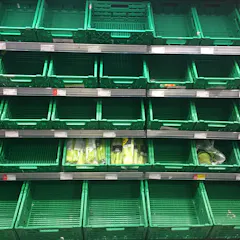
Raising public awareness that food security is a shared national responsibility does not infer panic – it means preparation.
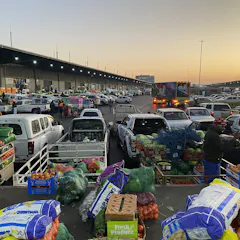
The Johannesburg Market has many challenges, including poor governance and infrastructure decay. Its story underscores the need to protect such markets nationwide.
Top contributors
-

Senior Fellow, Department of Agricultural Economics, Stellenbosch University
-
Associate Professor in Food Systems, The University of Melbourne
-
Research Fellow, Tegemeo Institute, Egerton University
-
Associate Professor, Department of Entomology; African-American Studies, University of Illinois Urbana-Champaign
-
PhD, Political Economy, Macquarie University
-
Professor of Food Policy, City St George's, University of London
-
Researcher in sustainable food systems, The University of Melbourne
-
Director of the Arrell Food Institute and Professor in the Dept. of Geography, Environment and Geomatics, University of Guelph
-
Network and Research Manager: ARUA – UKRI GCRF FSNet Africa, University of Pretoria
-
Professor in Food Security; Head of the Department of Agricultural Economics, Extension and Rural Development, University of Pretoria
-
Emeritus Fellow in Plant Biochemistry, University of Westminster
-
Professor of Social Development Studies, University of Johannesburg
-
Food Systems Research and Partnerships, The University of Melbourne
-
Adjunct Professor, Curtin Business School, Curtin University
-
Climate Scientist and Researcher, University of Cape Town