
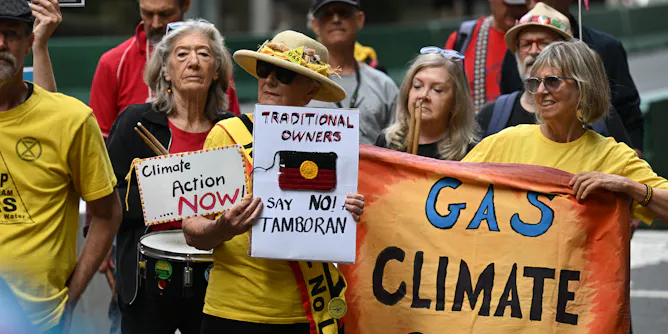
Gas is now flowing from the vast – and controversial – fossil fuel project.
Articles on Fracking
Displaying 1 - 20 of 177 articles

Wastewater from Pennsylvania’s oil and gas wells is salty and radioactive, and doesn’t suppress dust. Two researchers explain why it keeps ending up on rural roads.
Setback regulations remain the only lever that affords some protection to those bearing the greatest health risks of shale gas development in their neighbourhoods.

A gulf is emerging between the party’s populist rhetoric and what it does in practice.
During the 1973 oil shock, Queensland promised to open a huge oilfield. History is repeating as Australia searches for secure supplies of fuel.
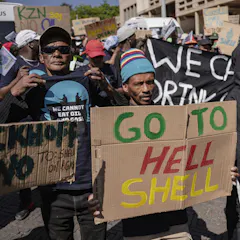
Environmentalists from all walks of life in South Africa are notching up an impressive set of wins against the state and big mining companies, research has found.
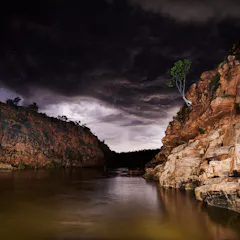
Fracking exploration wells could proceed in the Kimberley. Given how much more we know about the risks of fracking, this seems dangerous.
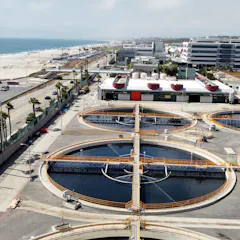
Desalination of seawater and sewage treatment plants leave behind water that contains high concentrations of salt, metals and other contaminants. What if that water could be separated from the rest?

The Earth’s own heat can be brought up from underground and used as a source of energy that emits almost no greenhouse gases and can operate 24/7 almost anywhere on the planet.
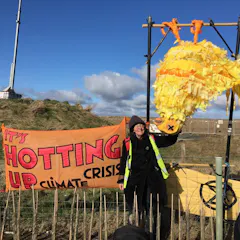
Environmental activism doesn’t always have to be radical.
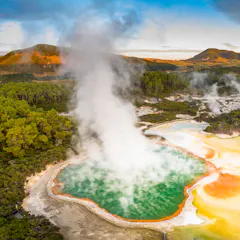
Supercritical geothermal is worth exploring and drilling might soon be technically feasible. But its value will be limited if wind and solar energy costs continue to fall.
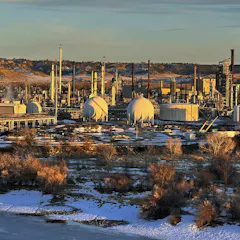
The US produces more oil today than any other country, and there is no clear emergency on the scale of the energy crises of the 1970s. But there are some causes for concern.
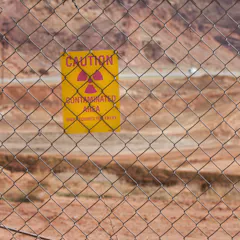
A uranium mine wants to drill into a giant aquifer system the size of Austria.
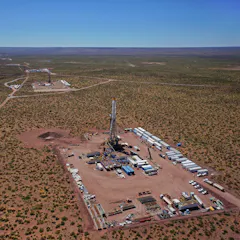
Why do governments still give billions to encourage fossil fuel production? The answer is often to shore up energy supplies.
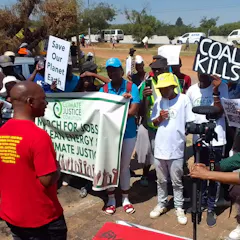
South Africa’s new environment minister has a strong business background, but the country needs a renewable energy champion who’ll also protect communities from fossil fuel corporates.
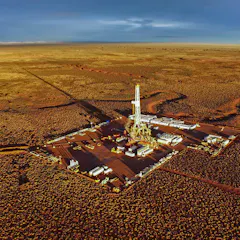
In May, the Northern Territory government greenlit the mammoth Beetaloo Basin fracking project. But they did so based on a report with optimistic projections on offsets and emissions.
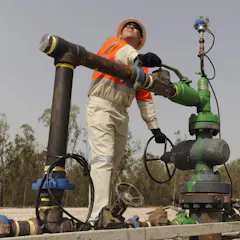
A new report spans more than 300 peer-reviewed studies to present a comprehensive summary of the risks the industry creates for people’s health and wellbeing, as well as for the planet.
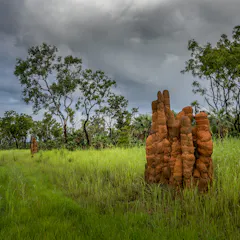
Hungry for development and industry investment, the Northern Territory government is putting one of the world’s last intact tropical ecosystems at risk. Scientists are calling for better protections.
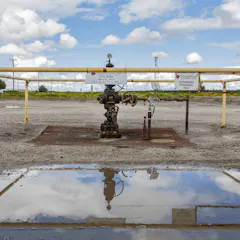
Fracking for oil and gas uses millions of pounds of chemicals, some of which are toxic or carcinogenic. Two researchers summarize what companies have disclosed and call for more transparency.
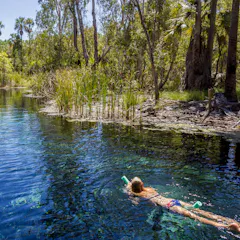
There are fears the Northern Territory government will allow gas and other industries to extract substantially more water from the environment than is currently allowed.
Top contributors
-

Associate Professor of Sociology; Co-Founder, Center for Environmental Justice at CSU, Colorado State University
-
Associate Professor in the Centre for Environmental Management, University of the Free State
-
Professor of Geophysics, Durham University
-
Program Manager for Unconventional Resources, Australian School of Petroleum, Adelaide University
-
Pro-Vice Chancellor: Global and Sustainability, Newcastle University
-
Professor of Geoenergy, Carbon Capture and Storage, Durham University
-
Professor of Law, Deakin University
-
Professor of Health, Safety and Environment, School of Public Health and Social Work, Queensland University of Technology
-
Professor of Energy and Natural Resources Law, Macquarie University
-
Lecturer in International Studies, University of Washington
-
PhD Candidate in the Department of Earth Sciences, Durham University
-
Professor of Finance, Lancaster University
-
Chair in Health Effectiveness, University of Stirling
-
Acting Director of the Global Change Institute (GCI), University of the Witwatersrand, University of the Witwatersrand
-
Professor of Global Energy, Warwick Business School, University of Warwick