
As more genomes are sequenced, it will become clearer when and how the Delta variant slipped through the New Zealand border. The greater the diversity in genomes, the older and larger the outbreak.
Articles on Genome sequencing
Displaying 21 - 40 of 50 articles
SARS-Cov-2 has experienced roughly the same amount of evolutionary change during the pandemic as humans have since Homo habilis first walked the Earth about 2.5m years ago.
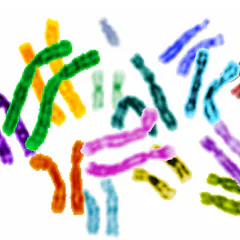
Two decades after the ‘full’ human genetic code was released to global fanfare, researchers have finally filled in the blanks that made up 8% of the sequence, thanks to recent advances in genome sequencing.

Technology that can identify stray bits of genetic material in the environment can help scientists monitor human and animal health.

The highly infectious nature of the COVID-19 variant, and the fact the infections have no clear link to the border, leaves the worrying possibility of a more widespread community outbreak.

How the UK came to be the world leader in sequencing SARS-CoV-2, in the words of a person who made it all happen.

Southern right wales have been hunted to near extinction. Now their genome has been sequenced to help biologists track their recovery and understand the impacts of climate change, past and future.
…and why Professor Chris Whitty is right.
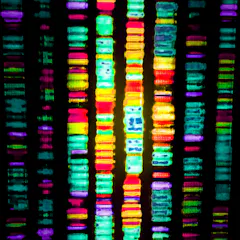
From a global cattle disease that can devastate herds to water-borne pathogens causing severe food poisoning, genome sequencing has become an important tool in the control of infectious diseases.
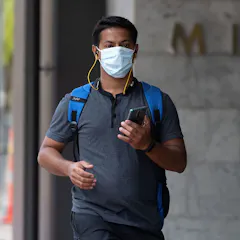
We believe New Zealand can eliminate COVID-19 again. But it could do more to speed up that process with mandatory masks and tighter controls on high-risk venues, including bars, gyms and churches.

The smallpox virus appears to have been with humanity for millennia before a global vaccination drive wiped it out. Current genome research suggests how smallpox spread and where it came from.

A mutating coronavirus has implications for vaccines, treatments, tests and your future plans.
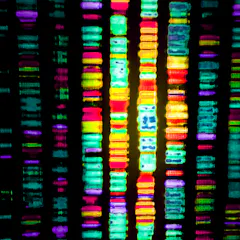
The variation captured in these genomes, when compared to genomes sampled elsewhere, provides a fingerprint that might be associated with a particular virus and a particular cluster of transmission.

Scientists hope to learn what makes certain red squirrels able to survive squirrelpox.
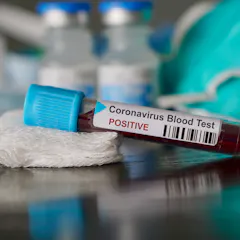
Frontier research initiatives to tackle the 2019 coronavirus seem to be dominated by institutions in China, the US, Japan and labs across Europe. Very little seem to be coming form Indonesia.
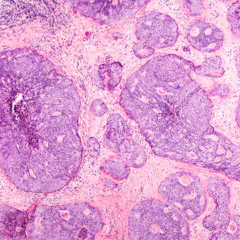
A landmark analysis of the genetic sequences of hundreds of different cancers offers crucial insights into the origins and growth of the disease’s myriad forms.
Africa is known to be where humans originated. This makes it the most genetically diverse region in the world. Diversity in other populations represents a subset of the diversity within Africa.
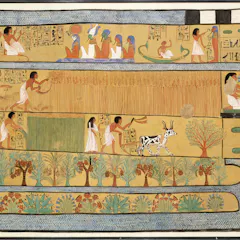
What ancient crop genomes can tell us about our history.

Current plans for lunar exploration may end up destroying ancient, genetic samples from Earth that have ended up on the moon.
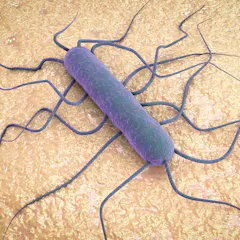
As a hospital outbreak kills nine in England, the future of food safety at least looks brighter.
Top contributors
-

Distinguished Professor of Infectious Disease Epidemiology and Public Health, Te Kunenga ki Pūrehuroa – Massey University
-
Senior Lecturer, University of Auckland, Waipapa Taumata Rau
-
Professor and Webster Family Chair in Viral Pathogenesis, University of Otago
-
Professor of Public Health, University of Otago
-
Research Associate Professor of Public Health, University of Otago
-
Scientist in Genomics and Bioinformatics, New Zealand Institute for Public Health and Forensic Science
-
Chair Precision Medicine, Monash University
-
Associate Professor | Director, DNA Zoo Australia, The University of Western Australia
-
Professor of Public Health, University of Otago
-
Jenny Graves is a Friend of The Conversation.
Distinguished Professor of Genetics and Vice Chancellor's Fellow, La Trobe University
-
Ph.D. Student in Biological Sciences, Columbia University
-
Associate Professor - Bioinformatics, James Cook University
-
Postdoctoral Researcher with Genomics Aotearoa, University of Otago
-
Director, Eijkman Institute for Molecular Biology
-
Professor of Biological Sciences, Columbia University