

There was previously no direct genetic data from an Egyptian individual of this period.
Articles on Genome sequencing
Displaying 1 - 20 of 50 articles

Over-subscription of a topical antibiotic likely led to the emergence of a superbug which is now the leading cause of resistant infections.

Hospitalisations and deaths attributed to COVID have dropped significantly since a peak in 2022. But a new variant could still reverse the trend quickly.
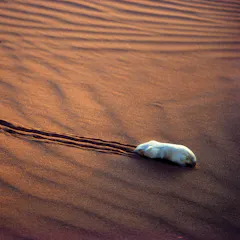
Scientists have traced the evolutionary heritage of marsupial moles and explained how they evolved unique adaptations that help them survive beneath the sand.
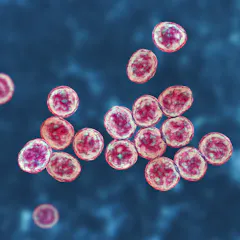
In 2022 2.4 million new-born babies died of sepsis worldwide. Antimicrobial resistance could pose a further risk.
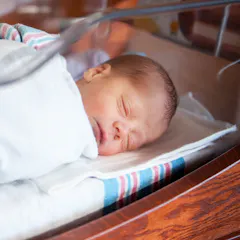
Infectious disease control in neonatal units is often reactive, only after several babies fall ill at the same time. Proactive genome sequencing provides an early-warning system to prevent outbreaks.
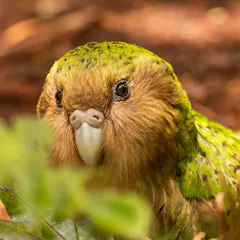
Kākāpō are prone to disease and infertility. Only intensive species management has saved the flightless parrots from extinction. Genome data now reveals the genetic reasons behind these problems.
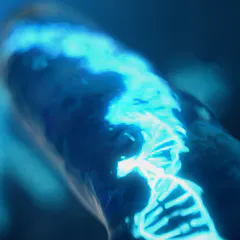
DNA of the male-determining Y chromosome has been completely sequenced end-to-end, and it’s just as weird as we expected. Will we finally be able to understand how it works?

Time and information is of the essence when tackling infectious diseases across countries and continents.

Why are Australian black swans so quick to die from bird flu? A new genome study comparing them to their bird brethren helps to unravel the mystery.

For the past 13 years I’ve focused on sequencing one plant pathogen’s genome. Here’s where that scientific journey has led.
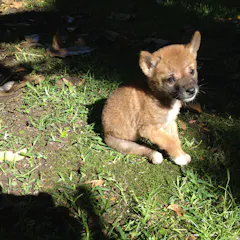
The first high-quality Australian dingo genome gives a multi-thousand-year-old snapshot into the evolutionary history of dogs.
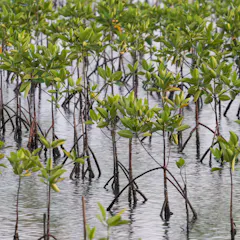
The African BioGenome Project is a pan-African project that seeks to sequence Africa’s endemic and indigenous plants and animals.

Advances in technology have enabled researchers to sequence the large regions of repetitive DNA that eluded the Human Genome Project.
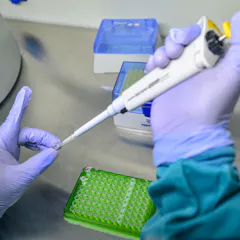
Improving genomic surveillance to better understand new variants as they arise in different parts of the world could prevent threats to vulnerable health systems and populations.

Without genome sequencing, we would be blind to new variants of COVID-19. As Omicron surges in New Zealand, the sequencing focus is shifting to learning about what causes severe or long-term disease.
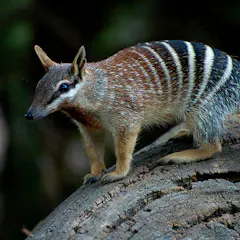
The numbat is one of the Tasmanian tiger’s closest surviving relatives. And its newly sequenced genome raises the possibility of piecing together the genetic code of its extinct fellow marsupial.

After a nose swab tests positive for a virus or bacteria, scientists can use the sample’s genetic sequence to figure out where and when the pathogen emerged and how fast it’s changing.
Nuclear bombs use reactions that can occur naturally, but that is a nonsense argument to deregulate them. So why are these same arguments used to promote deregulation of gene technology?

We are being cautious about the implications for vaccine efficacy and transmissibility while we gather more data to understand this lineage.
Top contributors
-

Distinguished Professor of Infectious Disease Epidemiology and Public Health, Te Kunenga ki Pūrehuroa – Massey University
-
Senior Lecturer, University of Auckland, Waipapa Taumata Rau
-
Professor and Webster Family Chair in Viral Pathogenesis, University of Otago
-
Professor of Public Health, University of Otago
-
Research Associate Professor of Public Health, University of Otago
-
Scientist in Genomics and Bioinformatics, New Zealand Institute for Public Health and Forensic Science
-
Chair Precision Medicine, Monash University
-
Associate Professor | Director, DNA Zoo Australia, The University of Western Australia
-
Professor of Public Health, University of Otago
-
Jenny Graves is a Friend of The Conversation.
Distinguished Professor of Genetics and Vice Chancellor's Fellow, La Trobe University
-
Ph.D. Student in Biological Sciences, Columbia University
-
Associate Professor - Bioinformatics, James Cook University
-
Postdoctoral Researcher with Genomics Aotearoa, University of Otago
-
Director, Eijkman Institute for Molecular Biology
-
Professor of Biological Sciences, Columbia University