
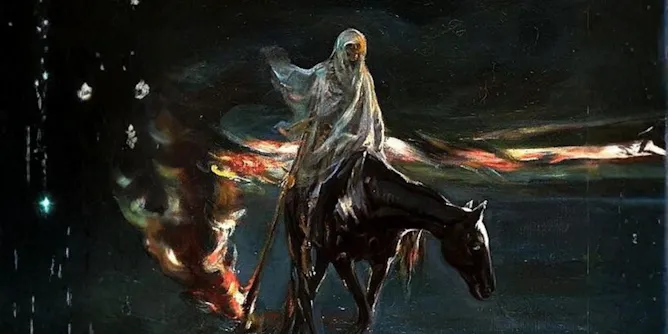
The Royal Society was Britain’s principal scientific institution and some of its fellows were dabbling in the investigation of spirits.
Articles on History
Displaying 21 - 40 of 2103 articles
These forms of radical living, whether individual choices or wider movements, were born of dissent.
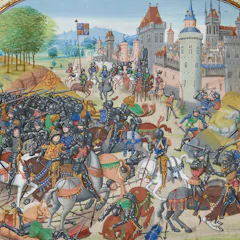
Why is the battle of Neville’s Cross (1346) one of the least publicly known but decisive battles in English history?
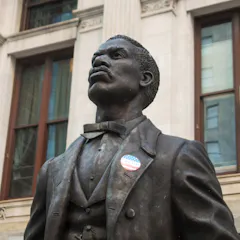
Philadelphia has given the intersection of 8th and South streets a new name: Octavius Catto Way.
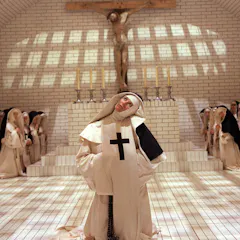
The 1971 film is soon to be re-released as a full director’s cut – its controversial lost scenes finally revealed.
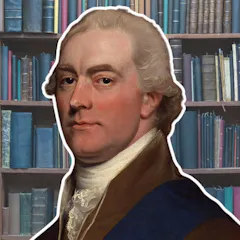
The forgotten story of how Britain acquired Europe’s rarest books.
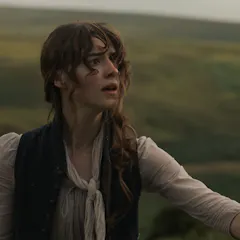
The two dance sequences – a hop and a ball – capture the spirits of Dashwoods more than they evoke the atmosphere of the period.
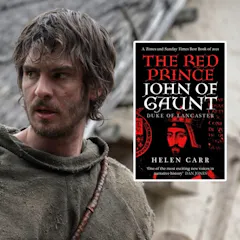
This curated reading list includes gripping narrative histories, immersive fiction and digital archives.

If you think about leap years, it may seem like humans have a very odd way of measuring time. Sometimes, timekeepers have even added extra seconds to clocks.
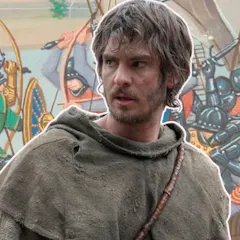
Our research has traced the background of hundreds of people connected with the revolt.

Particle accelerators aren’t just for testing the Standard Model. They’re also used to diagnose and treat disease and study world history.
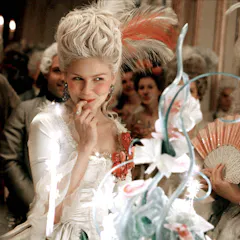
Marie Antoinette was released into a cultural moment dominated by consumerism as empowerment, when ‘girl power’ was used to sell music and fashion to young women.
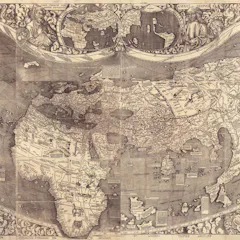
The International Geography festival puts Saint-Dié on the map, but its map-making history dates back to the early 16th century, when the French town in the Vosges was a hotspot for scholarly geographical research.
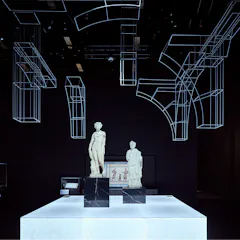
Melbourne Museum’s major exhibition tells us as much about how we look at this complicated culture as the culture itself.

Traditional motherhood has always been recognised, while women’s other achievements and bequests must continually prove their worth.

A self-described ‘platypoditudinarian’, Burrell figured out how to keep these animals in captivity – which allowed them to be studied.
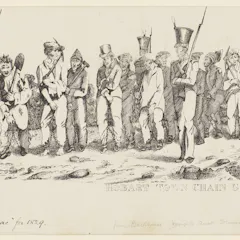
Many former convicts changed their names and hid their past. But over the last 50 years, Australians have increasingly discovered – and embraced – convict relatives.

Government corruption and misspending inspired the medieval rebels depicted in The Uprising.
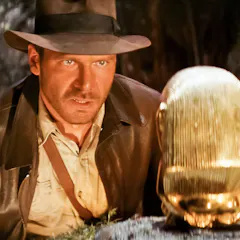
The idea of archaeology as adventure predates the discipline itself.

It’s easy to say now that paying the Vikings to go away ‘didn’t work’. But this obscures the fact paying off one Viking band didn’t ensure another would stop coming.
Top contributors
-

Professor of History, Australian Catholic University
-
Research Associate, Institute for Prehistory and Early History and Medieval Archaeology, University of Tübingen
-
Director, Gender and Women's History Research Centre, Australian Catholic University
-
Associate Professor of Medieval History, Durham University
-
Adjunct Professor, IE University; California State University San Marcos
-
Director, Vice-Chancellor's Centre of Public Ideas (CoPI) and Donald Horne Professor of History and Public Ideas, University of Canberra
-
Professor Emerita, Classical Studies, The Open University
-
Associate Professor, Fashion History, De Montfort University
-
Lecturer in Classics and Ancient History, The University of Western Australia
-
PhD Candidate, Anthropology and Archaeology, University of Bristol
-
Emeritus Professor in the History of Religious Thought, The University of Queensland
-
Professor of History, President, Australian Historical Association, Macquarie University
-
Senior Lecturer in History, University of Waikato
-
Senior Research Fellow, Institute for Humanities and Social Sciences, Australian Catholic University
-
Chair in the History of Finance and Associate Pro-Vice-Chancellor Research, Prosperity and Resilience, Henley Business School, University of Reading