
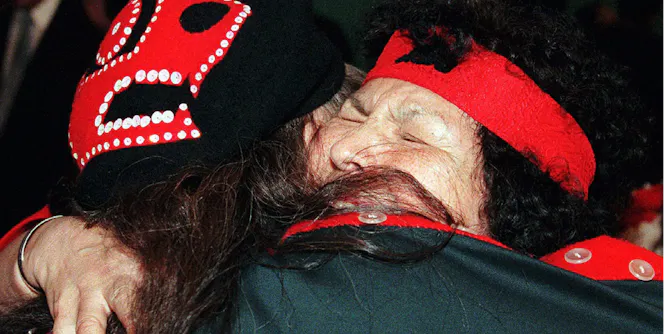
Twenty-five years after the landmark Delgamuukw case, Canada is still failing to fulfil its legal obligations to Indigenous Peoples.
Articles on Indigenous
Displaying 241 - 260 of 768 articles

Few Canadians know about the doctrine of coverture and how it stripped Indigenous women of their agency.

As we set conservation goals for the next decade, we need to evaluate what worked and what didn’t in our efforts to meet the 2020 biodiversity conservation targets.

Spirituality is a vital part of Indigenous identities. Incorporating spiritual education can create space in schools where Indigenous students can learn and grow.
Far more streets, buildings and public spaces in Canada are named after men than women, despite women making up a majority of the population.
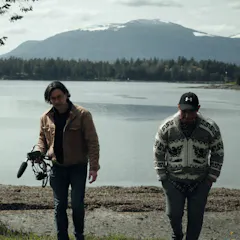
Canadian journalist institutions have failed to address their ongoing colonialism and that has meant that urgent Indigenous issues have been ignored or sensationalized.
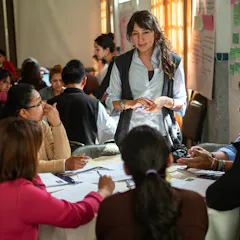
Harmful research practices have done serious damage to Indigenous communities and created distrust. The Collaborative Indigenous Research Digital Garden is one way to repair that damage.
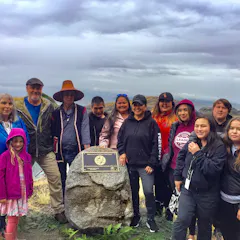
One project on a small island in B.C. is demonstrating how archaeology can bring communities together and serve as a basis for reconciliation.
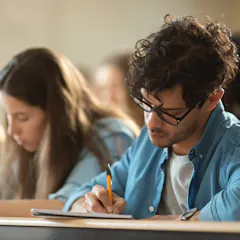
As Latin American communities continue to grow, universities must teach students about Latin America and Latinx communities in interdisciplinary ways.
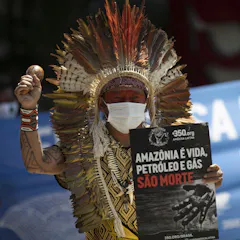
A different future will not be possible without reverence, respect, reciprocity and responsibility towards the Earth. On this issue, Indigenous Peoples have a lot to share.
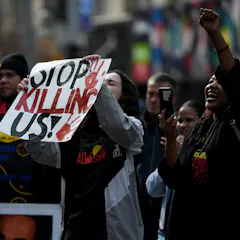
Russell Marks’ Black Lives, White Law is not about solutions; it’s about identifying the problems with Australia’s criminal legal system, and the injustice it does to First Nations people.
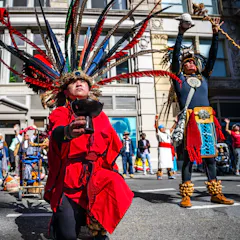
Geographic, cultural and political identity are all part of being Indigenous.

As a young child, Amy Thunig, a Gomeroi/Gamilaroi/Kamilaroi woman, moved with her family to be near her father, who was incarcerated in Adelaide. It was a difficult time, but he has taught her much.
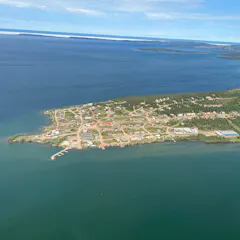
To address the climate and biodiversity crises, we must stop criminalizing Indigenous Peoples for exercising their treaty rights and start upholding them instead.
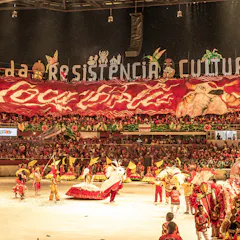
The “Festival do Boi-Bumbá” changed the fate of Parintins, Brazil. Its success shows the crucial role that cultural festivals play in isolated territories that often lack material infrastructure.

The “blackout period” was a time when the Canadian government banned lawyers from representing Indigenous Peoples.
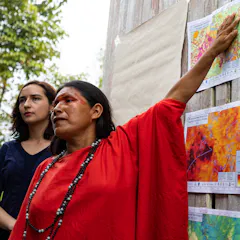
Estradas ilegais trouxeram desmatamento, fogo e outros danos ambientais para a Amazônia. Os resultados do segundo turno presidencial de 2022 podem ter um grande impacto no futuro.
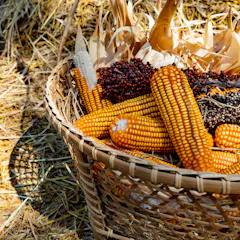
A lack of data prevents governments and agri-food organizations from knowing what kinds of supports should be provided to reinvigorate Indigenous agricultural economies.
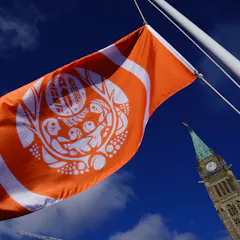
To fully implement the UN Declaration on the Rights of Indigenous Peoples, Canada must engage in genuine and inclusive law reform.
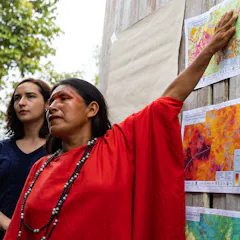
Illegal roads have brought deforestation, fire and other environmental damage to the Amazon. The results of the 2022 presidential runoff could have a major impact for the future.
Top contributors
-

Professorial Fellow, University of Canberra
-
Professor of Law, University of Technology Sydney
-
Professor, Faculty of Education, University of Manitoba
-
Professor of Economics and Public Policy, ANU College of Arts and Social Sciences, Australian National University
-
Associate Professor, Departments of History and Indigenous Studies, University of Manitoba
-
Associate professor, McGill University
-
Assistant Professor, Indigenous Methodologies, Chanie Wenjack School of Indigenous Studies, Trent University
-
Professor of Political Science, University of Guelph
-
Executive Co-Director, UNU Hub on Empowering Communities to Adapt to Environmental Change, Institute for Water, Environment and Health, United Nations University; University of Calgary
-
Associate Professor, UNSW
-
Professorial Fellow, Jumbunna IHL, University of Technology Sydney
-
Professor, Critical Indigenous Studies and Director of The Centre for Global Indigenous Futures, Macquarie University
-
Professor of History, University of Illinois Urbana-Champaign
-
Associate Professor, Faculty of Law & Justice, UNSW
-
Adjunct Professor, RMIT University