

A look at cats’ diets as reported by researchers over many years shows they eat a lot more than people might think.
Articles on IUCN
Displaying 1 - 20 of 28 articles

Globally important natural areas such as Ningaloo and Shark Bay have been hard hit in recent years. But Macquarie Island is recovering.

Many of these extraordinary places are increasingly at risk due to escalating climate change, invasive species, and and a lack of consistent funding to protect them.
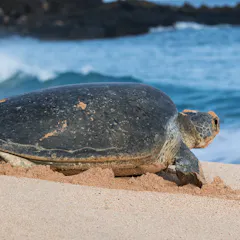
New research estimates that approximately 60 tonnes of plastic debris discarded in the ocean reside within female green turtles at any given time.

There are significant differences in the skull shapes of the different types of giraffe.

Scientists have assessed more than 23,000 species.

There are 401 indigenous terrestrial reptiles in South Africa.
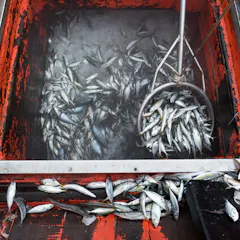
A new ocean treaty could redirect the unsustainable fishing practices that were happening on the high seas to coastal African nations.
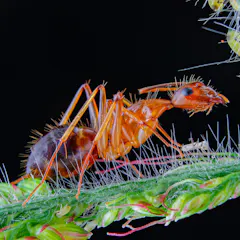
Invasive ants are a major threat to biodiversity, according to a study.
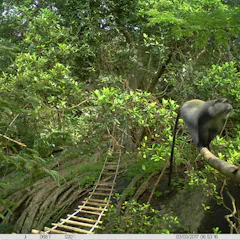
Researchers encourage citizen scientists to contribute to datasets on animal deaths caused by infrastructure. This will inform efforts to reduce the human impact on biodiversity.
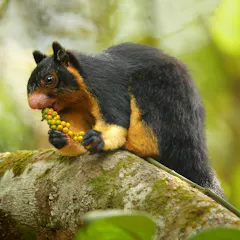
Rodents are the most numerous – and least studied – of all Earth’s mammals.
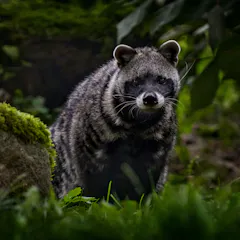
Ethiopia’s civet producers could benefit greatly if the industry were properly regulated and commercialised.
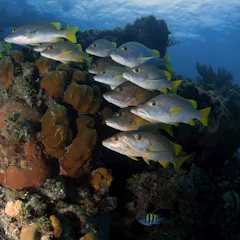
As nations pledge to preserve swaths of ocean within their territorial waters, a marine scientist explains why some marine protected areas shelter ocean life more effectively than others.
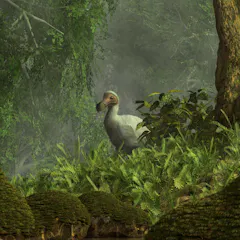
Species are declared extinct when there have been no verifiable sightings for 50 years. Declaring a species extinct has implications for conservation efforts and policies.
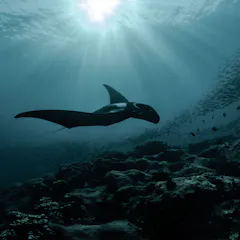
Nearly all species of sharks and rays are captured in fishing operations. But research shows that fishing quotas and closing some areas to fishing can help rebuild threatened populations.
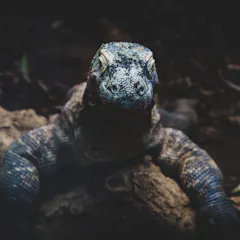
Determining the status of a species must be based on solid scientific evidence with strict criteria.

Rivers are among the most embattled ecosystems on Earth. Researchers are testing a new, inexpensive way to study river health by using eDNA to count the species that rivers harbor.

Which species are becoming endangered and which are recovering, according to the IUCN World Conservation Congress?
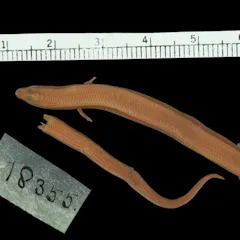
Species distribution data – or a lack thereof – can have a major bearing on how a country’s Key Biodiversity Areas and protected areas are designated.

The giant sea bass fishery collapsed long ago in the US, but that didn’t mean the species was endangered. New research shows these iconic fish have been thriving south of the border.
Top contributors
-

Adjunct Principal Research Fellow, College of Science and Engineering, James Cook University
-
Lecturer in Human Geography, Bangor University
-
Oppenheimer-Jamma Research Chair in African Wildlife Economies, Stellenbosch University
-
Professor of Entomology, University of Hawaii
-
Research Fellow, College of Forestry, Wildlife and Environment, Auburn University
-
Programme Officer, SSC Small Mammal Specialist Group, International Union for the Conservation of Nature
-
Professor of Wildlife Biology and Conservation, Auburn University
-
Professor of Conservation Biology, Universitas Indonesia
-
PhD student, University of Helsinki
-
Associate Professor of Global History, Michigan Technological University
-
Assistant professor, University of Turku
-
Post Doctoral Research Fellow, University of Stirling
-
Professor, Biodiversity, Phylogeny & Evolution, Simon Fraser University
-
Postdoctoral researcher, University of Helsinki
-
Professor of Environment & Society, University of Cumbria