
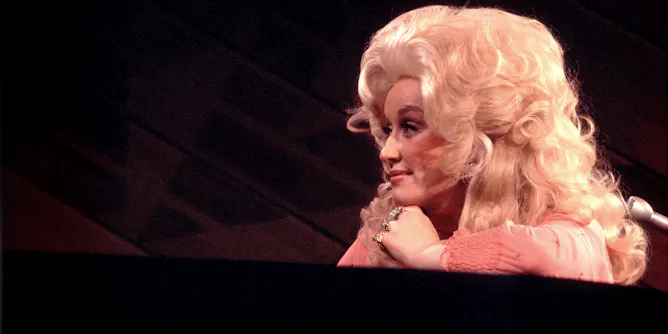
Whether ad-libbing her way through a duet or joking about her glamorous image, Parton turned sexist assumptions into a source of power.
Articles on Jokes
Displaying 1 - 20 of 26 articles

Humor has served many functions since Russia’s full-scale invasion, from providing Ukrainians with a sense of escape and hope to spreading news.

Cracking jokes at the office is more likely to backfire than boost your career.

If AI allows students to automate routine cognitive tasks, it doesn’t mean they’re thinking less. It means their thinking is changing.

Humour plays a role in our collective memory of historical events, especially disasters. Public reactions to the Titan’s implosion were reminiscent of comments that followed the sinking of the Titanic.
Cringe, corny and awkward − what’s not to love?

Dad jokes can help make you a better parent. But that’s only one reason why dad jokes work.

While derision and mockery permeate airwaves and social media feeds, satire holds the key to creating a more informed, engaged electorate.
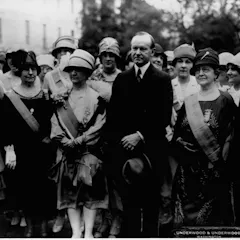
US President Calvin Coolidge hasn’t gone down in history for his triumphs or failures as president during the 1920s – but his dry sense of humor carries on.

Members of the key 18-to-34 demographic finds the format stale, the hosts unrelatable and the topics patronizing.

Religion has been a laughing matter since the middle ages.

The winners of Britain’s Funniest Class contest show us that kids can be funny. But how early can they do it on purpose?

People looking for a potential partners online highly value a sense of humour but immigrants struggle with local jokes.
A new study highlights the importance of the ‘intergroup sensitivity effect’ in comedy, which gives people license to tell certain jokes, but not others.
Language can express some of the results of our thinking, but it’s not the thinking itself.

Siblings have one of the most enduring relationships which can help them enjoy the funny things in life.

Comedians are being told to avoid joking about some things – and that’s not funny.
CC BY-ND26.5 MB (download)
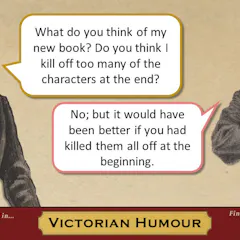
In this episode of the podcast, we take in the history of Victorian humour, why kids find poo so hilarious and whether academics should try and be funny.
Why do some people fall for the lamest April Fool’s pranks and others see straight through them?
Q: If you were to kill a conversational goose, what vegetable would she allude to? A: Ah-spare-a-goose! Gettit?
Top contributors
-

Senior Lecturer in History, Edge Hill University
-
Associate Professor of Psychology, Fort Lewis College
-
Senior Lecturer, School of Marketing, UNSW
-
Senior Clinical Lecturer in Child Psychiatry, University of Aberdeen
-
PhD Candidate, University of Leeds; Independent Social Research Foundation
-
Professor of Cognitive Psychology, Grinnell College
-
Professor in Professional Education and Leadership, School of Social Sciences, University of Stirling., University of Stirling
-
Professor of Linguistics
-
Associate Professor of Developmental Psychology & Psychopathology, University of Leeds
-
Professor of Social Psychology, Western Carolina University
-
Honorary Clinical Professor of Psychiatry, The University of Melbourne
-
Postdoctoral Researcher in Developmental Psychology, Cardiff University
-
Professor of medieval German literature, UCL
-
Lecturer in Performance, University of Salford
-
Scientia Professor of Psychology, UNSW