

Petting zoos can be a lot of fun for all the family. But a recent tragic case reminds us there are infection risks.
Articles on Kidney disease
Displaying 1 - 20 of 45 articles
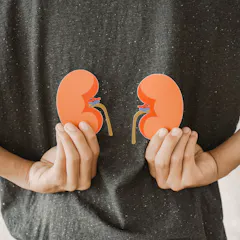
A new study explores the genetics of chronic kidney disease across diverse African populations.
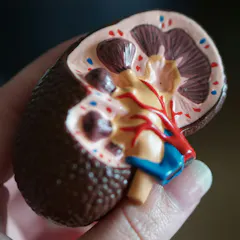
By the time you have symptoms of kidney disease, any damage is likely permanent. Here’s what we need to do instead.
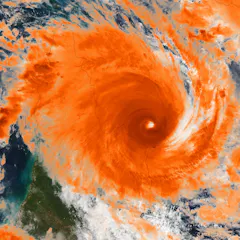
Tropical cyclones can be even more deadly – and for a wider range of reasons – than we ever thought.

For people with kidney failure, home dialysis can offer more freedom and better quality of life. So what’s stopping the NHS from supporting more people to choose it?

A prolonged drought in the San Luis Valley has contributed to kidney issues in agricultural workers.

Kidney damage, then, can affect almost part of your body – but there are simple lifestyle changes you can make today to avoid harming your kidneys tomorrow.
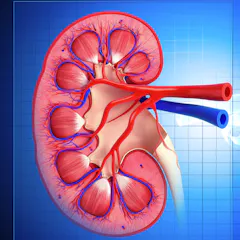
Too often, patients with chronic kidney disease get diagnosed too late – if at all. Addressing risk factors early can stave off the disease’s worst effects.
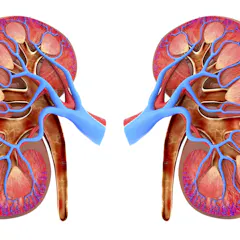
A study shows a significant genetic risk factor for kidney disease in people from Ghana and Nigeria.

Long-term use of proton pump inhibitor drugs have been linked to kidney problems and cancer.

As it is now, the transplant system treats kidneys from all Black donors as if they are at higher risk for failing, even though only some are.

Patients with kidney failure need regular dialysis treatments to survive. However, the equipment, supplies and medical staff needed for dialysis have been largely destroyed by the assault on Gaza.

What’s the relationship between high blood pressure and kidney disease, and how can they be prevented?

The American Academy of Pediatrics has recently released new obesity management guidelines in order to help address the growing obesity crisis in children.

Nigerians are fond of beans but they need to preserve them without using toxic chemicals.

Many of the temperatures presently being recorded in Africa, and those projected in the next decade, are already close to the limits of human survival, or “liveability”.
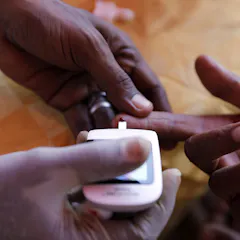
Targets for diabetes would improve healthy lives, reduce deaths, and be cost effective. But they should not be for managing diabetes alone; they must include treating hypertension.

Thousands of Canadians are on waiting lists for life-saving organ transplants. An opt-out organ donor system, like the one Nova Scotia is implementing, could reduce avoidable deaths and suffering.

Patients with kidney disease may also have heart problems or diabetes – both of which have been linked with more severe COVID-19 infections.

A safe home, a working fridge and access to transport are all needed before western medicine has a chance of working in the long term. But a new way of providing care can help.
Top contributors
-

Director, Nephrology and Kidney Care Services, Melbourne Health
-
Professor of Pharmaceutical Chemistry, Macquarie University
-
Professor of Medicine, University of Sydney
-
Research fellow, George Institute for Global Health
-
PhD Candidate, University of Canberra
-
Professor of Medical Research and Deputy Director, Menzies Institute for Medical Research., University of Tasmania
-
Research Assistant in Pharmacy, University of Canberra, University of Canberra
-
Research Assistant Professor of Pharmacy, University of Washington
-
Professor of Pharmacy, University of Tasmania
-
Associate Professor, Melbourne School of Population and Global Health, The University of Melbourne
-
Medical student, University of Tasmania
-
Clinical senior lecturer, The University of Western Australia
-
Medical Science Research Fellow, University of Canberra
-
Research Fellow in Reproductive Health, University of Newcastle
-
PhD student, Faculty of Health, School of Medicine, Deakin University