
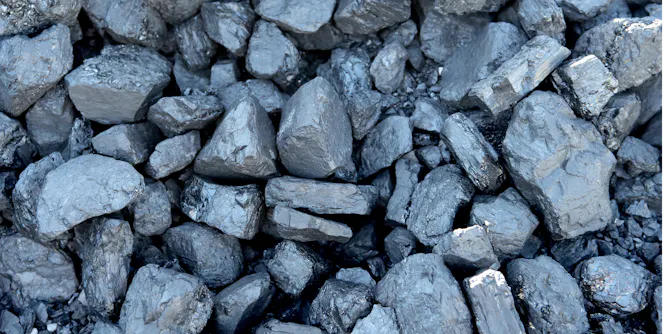
The rain comes as coal demand surges and pressure mounts for the industry to wind back production to help tackle climate change.
Articles on La Nina
Displaying 61 - 80 of 131 articles
The findings have big implications for how Australians prepare for extreme weather events.

Brush turkeys, bats, and cockroaches are crucial for the environment – including our gardens. Each have fascinating ways of coping in wet weather.
States with more capacity, more political inclusion and that make good use of foreign aid tend to see better outcomes.

Processes like La Niña set the scene for the sort of extreme weather that has hit eastern Australia. But what decides which towns and suburbs are hit hardest, and which ones are spared?
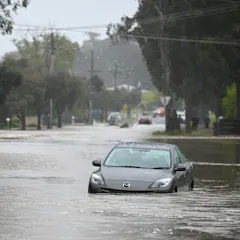
Rain has fallen across almost all of Australia’s mainland in the last two weeks. Our rain events are usually regional – not national like this.
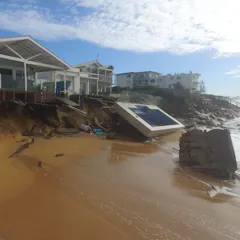
We must heed lessons from past storms and plan ahead, as climate change will only exacerbate future coastal disasters.
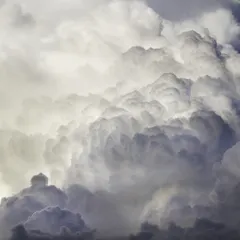
On Australia’s rainiest days, more than 30 trillion litres can fall from the skies.
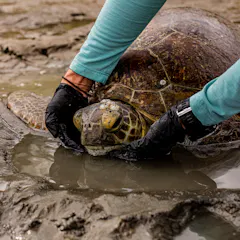
Floodwater carries dense clouds of sediment, choking the lush seagrass meadows on which these gentle grazers rely.
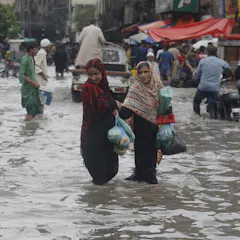
A climate scientist explains the forces behind the summer’s extreme downpours and dangerous heat waves, and why new locations will be at risk in the coming year.

Millions of mangroves died off along Australia’s northern coast. The cause? El Niño - and the moon’s wobbly orbit causing extremely low tides.
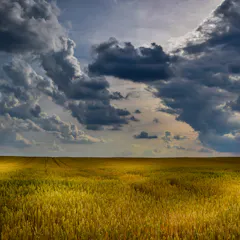
A third La Niña event in a row could bring dangerous conditions for people with allergies – but we’ll need better continuous monitoring to be sure what’s coming in the future.
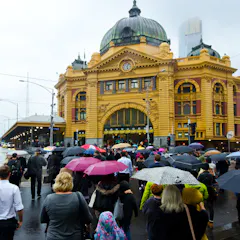
La Niña is officially here for the third year in a row. You probably associate it with flooding, but how might it affect future drought and bushfires? And could a fourth La Niña be possible?

Catchments are full. Dams are at capacity, soils are saturated and rivers are high. In some cases, there’s nowhere for the rains to go except over land.
Will spring bring an end to the cold and the rain?
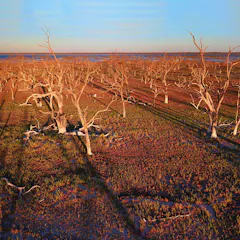
Determining whether a region or farm is “in drought” is a longstanding and complex problem which remains important to our future drought response.
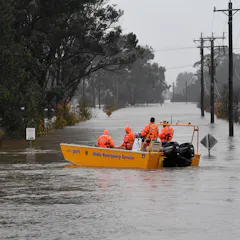
Governments have known about the flood risks in the Hawkesbury-Nepean Valley for more than two centuries. All have failed to protect the community.
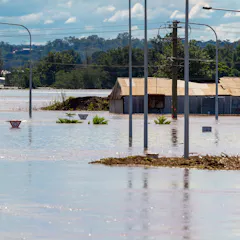
The collapse of the Atlantic meridional overturning circulation would profoundly alter the anatomy of the world’s oceans and climate. New research explores the consequences.
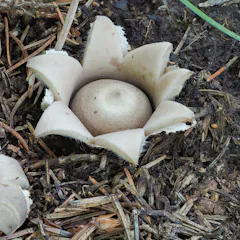
When Melbourne had to isolate during COVID lockdowns, Greg Moore and his family discovered the pleasure of a very fine fungi-spotting season.

Driving into floodwater is the leading cause of flood-related death. So why do people do it?
Top contributors
-

ARC Future Fellow and Associate Professor in Climate Science, ARC Centre of Excellence for 21st Century Weather, The University of Melbourne
-
Adjunct Professor (Practice) in Climate Science, School of Earth, Atmosphere and Environment, Monash University
-
Distinguished Scholar, National Center for Atmospheric Research; Affiliate Faculty, University of Auckland, Waipapa Taumata Rau
-
Senior Climatologist, Australian Bureau of Meteorology
-
Climate Scientist, Australian Bureau of Meteorology
-
Climate scientist, Australian Bureau of Meteorology
-
Principal Research Scientist, CSIRO
-
Adjunct Professor in Climate Science, Monash University
-
Professor, Water and Landscape Dynamics, Fenner School of Environment & Society, Australian National University
-
Senior Research Associate, UNSW
-
Lecturer, School of Agriculture, Food and Ecosystem Sciences, The University of Melbourne
-
Climate Scientist, Australian Bureau of Meteorology
-
Adjunct Professor of Environmental Geography, CQUniversity Australia
-
Chief Research Scientist, Oceans and Atmosphere, CSIRO, CSIRO
-
Honorary Associate Professor of Climate Science, The University of Melbourne