

Early exposure to malnutrition from conception to a child’s second birthday can have an irreversible effect on their long-term health and development.
Articles on Malnutrition
Displaying 1 - 20 of 124 articles
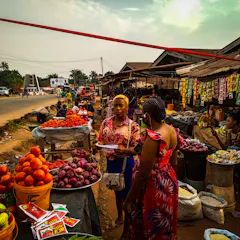
Agency is the single most important factor shaping women’s dietary quality, not food availability or household income.
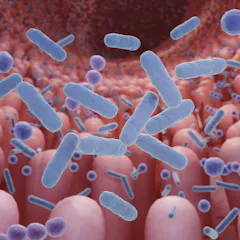
Microbiomes influence how efficiently a child’s body extracts and uses nutrients from food for growth and development.

Insects are an appealing food source because they are rich in protein and require few resources. While a possible future solution, they also have risks and limitations.

Drugs such as Ozempic and Wegovy reduce hunger and help with weight loss – but long-term use can make nutrient deficiencies more likely.
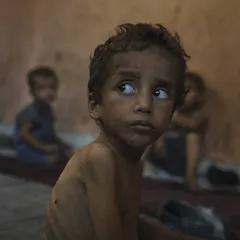
By August,15.8% of children aged under five were suffering from acute malnutrition.
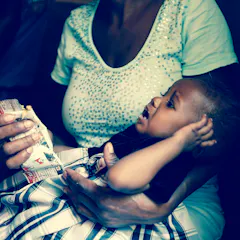
Acute malnutrition weakens a child’s immune system, which can lead to severe illness and an increased risk of death.

Where governance is weak and food supplies are unreliable, climate change causes child wasting and can be a warning sign of conflict to come.

Starvation causes both physiological and psychological stress.
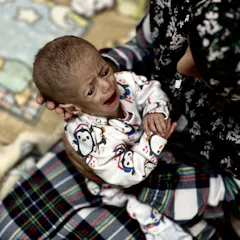
Starvation and malnutrition are harmful for anyone. But for infants the impact can be profound and lasting.

A guide to the different types of diabetes, including the latest type to be officially recognised – type 5.
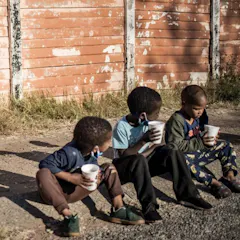
Fragmentation of services is a barrier in addressing severe child poverty.

The link between household food insecurity and child malnutrition is stark: 28.8% of South African children under five suffer from stunting.
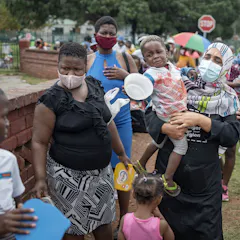
Food shortages are not the cause of hunger in South Africa. The country produces and imports all the food it needs.

The key to the for-profit company’s successful partnership with governments, international agencies and humanitarian, nongovernmental organizations is how it handled its patent.

We found 40% of older Australians living in aged care homes were malnourished. Malnutrition in older people is associated with poorer health overall.
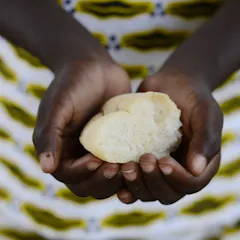
Nigeria needs to adopt a multi-faceted approach that addresses the root causes of child malnutrition.
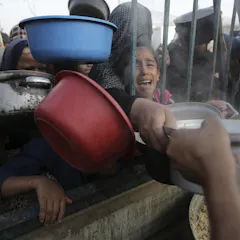
Hunger, stress, trauma, inadequate sanitation and other factors are converging to create a widespread humanitarian disaster with consequences that could last for generations.
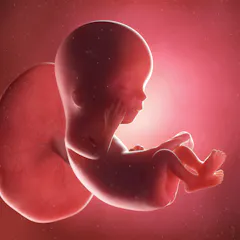
Research shows climate change carries greater risks for unborn babies than previously thought. Some of the alarming effects of global warming may include worsening health and wellbeing in later life.
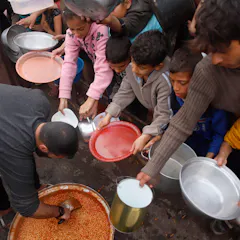
The situation in Gaza grows more desperate by the day.
Top contributors
-

Director DST-NRF Centre of Excellence in Food Security, University of the Western Cape
-
Professor in Food Security; Head of the Department of Agricultural Economics, Extension and Rural Development, University of Pretoria
-
Researcher, SAMRC/Centre for Health Economics and Decision Science- PRICELESS SA, University of the Witwatersrand
-
Senior Lecturer | Global Health, UNSW
-
Research Fellow, Institute of Development Studies
-
Professor, School of Health Sciences, University of Newcastle
-
Professor of Practice, Human Sciences Research Council
-
researcher, University of Cape Town
-
Professor of Social Development Studies, University of Johannesburg
-
Principle dietitian at the Nutrition Information Centre, Stellenbosch University
-
Post-doctoral fellow, University of British Columbia
-
Research Assistant Professor of Nutrition Science and Policy, Tufts University
-
Lecturer in Comparative Human Biology, University of Cambridge
-
DSTI/NRF Research Chair in Welfare and Social Development, University of Johannesburg
-
Associate Principal Research Fellow, Burnet Institute