
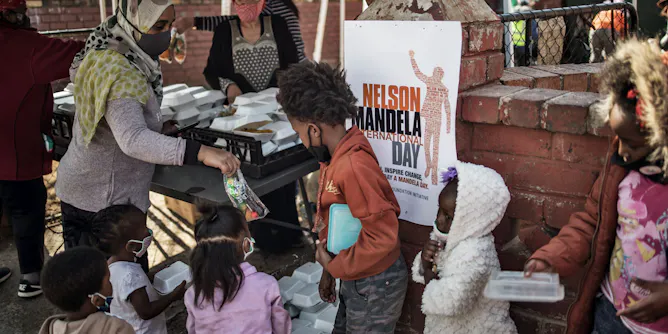
Children have made many sacrifices because of the country’s COVID-19 response, including social isolation, lack of education opportunities and reduced access to nutrition programmes.
Articles on Malnutrition
Displaying 61 - 80 of 124 articles
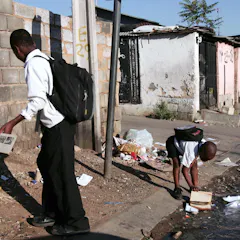
There is no clear delineation of roles and responsibilities relating to the integration of clean water, sanitation, safe hygiene and nutritional status.

When two or more epidemics co-exist and compound one another to worsen health, they are said to be syndemic. COVID-19 is feeding on other crises and diseases.
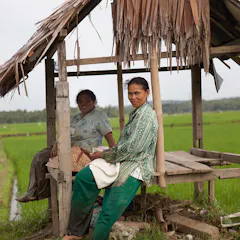
Despite the poverty rate falling, 30.8% of children are still undernourished.

Social distancing is impossible in much of Africa, and its economic consequences may lead to a famine that is worse than the pandemic. Prevention measures must consider the African context.
Providing antiretroviral therapy without incorporating quality diets may not help to reduce illness and death related to HIV.
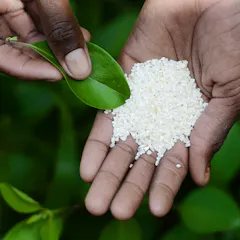
Nigeria has an alarming number of stunted children. This can hold back the country’s long-term productivity if there is no intervention.
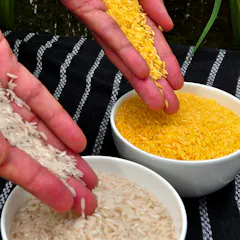
Golden Rice – a controversial genetically modified product designed to combat malnutrition – has been approved as safe in the Philippines. But key questions remain unanswered.
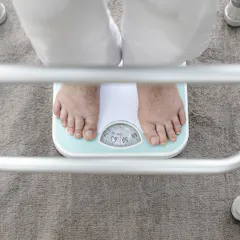
Chronic illness, difficulty eating on their own, and even loneliness are just some of the reasons why people over-65 are more likely to be malnourished.
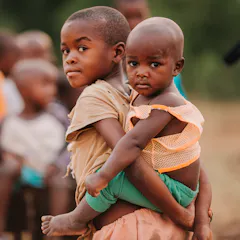
We found that current indicators underestimate nearly 6 million children suffering from malnutrition.
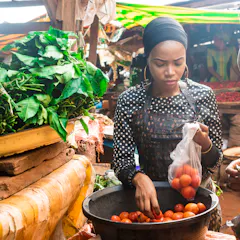
Hunger affects people’s health. It also affects their dignity and their ability to live full and productive lives.

Scurvy cases in England have more than doubled in the past ten years. But malnutrition rates have more than tripled.
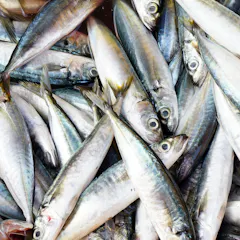
Nutritious fish are being diverted away from countries that could benefit from them the most.

It’s essential to consider the food industry’s role when it comes to food environments that offer unhealthy, cheap and enticing options.

Sugar taxes may not prevent obesity and associated conditions overnight, but they can be part of the solution.

Students suffer the double burden of malnutrition - hunger and obesity. This results in stress, ill health, poor academic results and increased drop-out rates.
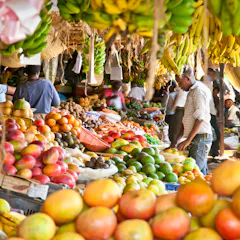
The fact that relative food prices differ so markedly and so systematically provides a very strong rationale for nutrition-focused food policies.

African countries need to take into account the effects environmental changes, like climate change, have on their ability to deal with food security, poverty reduction and lowering mortality rates.

Cost-cutting, funding that doesn’t reward good food, and residents not having a voice contribute to poor quality nutrition in our aged care homes. That can be devastating. But there is a better way.
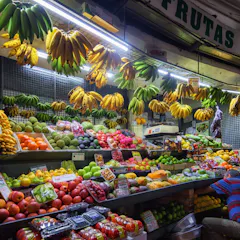
CC BY-NC-ND4.83 MB (download)
When the policies and programmes developed in Belo Horizonte were rolled out nationally, Brazil experienced a notable decline in hunger.
Top contributors
-

Director DST-NRF Centre of Excellence in Food Security, University of the Western Cape
-
Professor in Food Security; Head of the Department of Agricultural Economics, Extension and Rural Development, University of Pretoria
-
Researcher, SAMRC/Centre for Health Economics and Decision Science- PRICELESS SA, University of the Witwatersrand
-
Senior Lecturer | Global Health, UNSW
-
Research Fellow, Institute of Development Studies
-
Professor, School of Health Sciences, University of Newcastle
-
Professor of Practice, Human Sciences Research Council
-
researcher, University of Cape Town
-
Professor of Social Development Studies, University of Johannesburg
-
Principle dietitian at the Nutrition Information Centre, Stellenbosch University
-
Post-doctoral fellow, University of British Columbia
-
Research Assistant Professor of Nutrition Science and Policy, Tufts University
-
Lecturer in Comparative Human Biology, University of Cambridge
-
DSTI/NRF Research Chair in Welfare and Social Development, University of Johannesburg
-
Associate Principal Research Fellow, Burnet Institute