
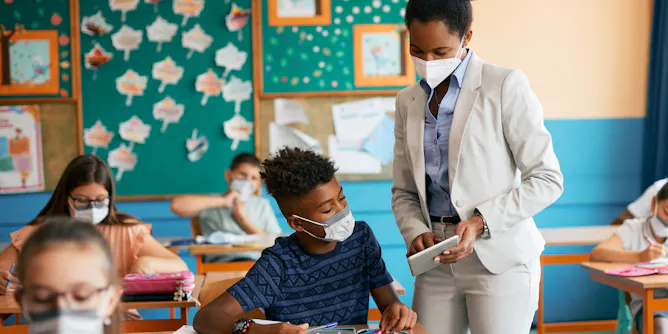
Teachers wearing wireless microphones that amplify their voices could be one solution to ensuring children can hear — and saving teachers’ voices from strain, particularly in the pandemic.
Articles on Masks
Displaying 41 - 60 of 133 articles

Just because we’re in a period of social change, doesn’t mean we have to lose momentum on sustainability. There are six things we can do right now to offset our daily waste from disposable masks.
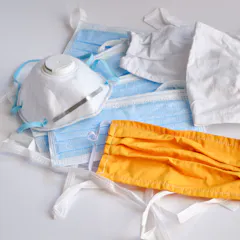
The CDC’s updated mask guidelines say that cloth masks offer the least protection from COVID-19. Differences in the materials masks are made from and the ways they fit are the reason.
The airborne nature of COVID supports routine use of respirators by the public. Here, experts explain the science behind this recommendation.
Masks definitely catch some of the virus laden aerosols and droplets - and that will reduce transmission between people and the number of cases of COVID-19.

Supply chain issues, emergency science, social distancing requirements and a lot more free time offered both challenges and opportunities for research scientists.

Masks are back in wider use in the UK and elsewhere. Our research highlights the need to dispose of them correctly.

Inconsistent rules, those in charge setting a poor example, and feeling rebellious are all factors that may prevent people from wearing a mask.
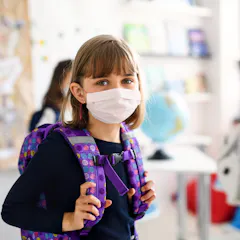
It’s important kids’ masks fit well and are removed and stored properly.
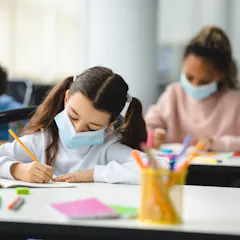
A new study in the United States found school reopening in late 2020 was associated with an increase in COVID-19 cases and deaths. But this was mostly the case where masks weren’t required.

Vaccines alone aren’t enough to protect against the highly contagious Delta variant.
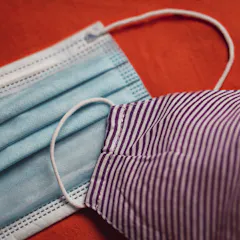
Since the coronavirus first began spreading around the globe, people have debated how effective masks are at preventing COVID-19. A year and a half in, what does the evidence show?

Subtly shifting the crafting and delivery of public health messaging on COVID-19 vaccines could go a long way toward persuading many of the unvaccinated to get the shot.

A lot is based on how effective our system of test, trace, isolate and quarantine is. And we’ll still have to accept some level of new cases.
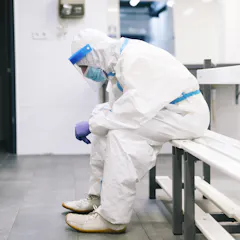
Although stretched thin and imperfect, health care workers do our best for everyone who needs us, regardless of the personal choices people have made.

Plus, new research into what happens in our brains when we daydream. Listen to The Conversation Weekly podcast.

Fighting against federal authority is a political tradition in the South – and resisting federal guidance to wear masks in schools is just the latest example, an education policy expert writes.
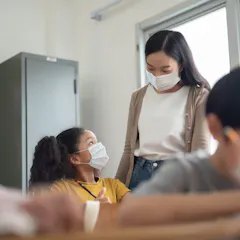
COVID infections are rising among children. Here’s how parents and schools can best protect kids right now.
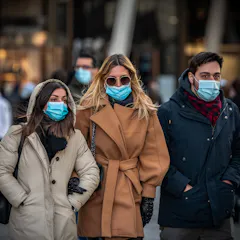
As we likely settle into a long-term relationship with COVID-19, this new relationship will not likely leave masks forgotten.
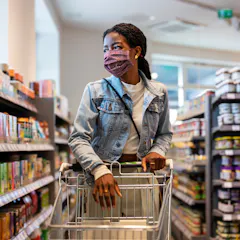
After the CDC changed course in late July, recommending universal masking indoors, Nevada became the first state to adopt a flexible masking policy that can quickly adjust to changing COVID-19 rates.
Top contributors
-

Professor of Global Biosecurity, NHMRC L3 Research Fellow, Head, Biosecurity Program, Kirby Institute, UNSW
-
Professor of Primary Care Health Sciences, University of Oxford
-
Lecturer in Psychology, Swansea University
-
Professor of Medicine, Epidemiologist, Physician, McMaster University
-
Associate Professor, Chemical Engineering, McMaster University
-
Professor Emerita, Nursing, School of Nursing and Midwifery, Griffith University
-
Professor, School of Population Health, UNSW
-
Senior Lecturer, Infectious Diseases Epidemiology and Control, UNSW
-
Assistant Research Professor of Mechanical Engineering, Colorado State University
-
Professor of Nursing and Health Services Research, University of Newcastle
-
Professor, Director of Research, Nursing and Midwifery, Monash University
-
Senior Lecturer, Department of Economics, University of the Western Cape
-
Senior Lecturer/Program Advisor, Griffith Graduate Infection Prevention and Control Program, Griffith University
-
Senior researcher and Health Economist, Health Economics and Epidemiology Research Office, Wits Health Consortium, University of the Witwatersrand
-
Professor, Centre for Disability Research and Policy, University of Sydney; RMIT University