

1 in 4 known pregnancies in the US ends in loss. A composer explains how those numbers, along with doctors’ expertise, became a 60-minute chamber work.
Articles on Maternal health
Displaying 1 - 20 of 189 articles

Therapy during pregnancy for those who need it may have advantages for the next generation.

Leave for the non-birthing parent after a new baby arrives gives the family an opportunity to bond.

Detroit had 20,370 eviction cases filed in 2025. But evictions that do not go through the formal court process are not included in the city’s official eviction data.

A common fatty liver disease is increasingly being diagnosed in younger women, but its effects on pregnancy are still being understood.

More than 15,000 families in Michigan have received cash support from Rx Kids. Participants say the program helps them pay bills and maintain their health.

Tailored interventions are crucial for improving equitable access to maternal healthcare for women with disabilities.
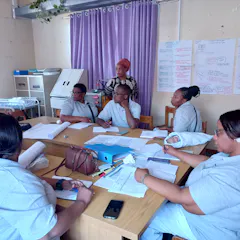
Care improves when healthcare professionals are given the tools to find their own solutions.

Limits on healthcare for undocumented women are reshaping pregnancy and family health.

Nearly 1,500 healthcare professionals completed the training in hospitals, birth centers and community organizations across the state.

The late postpartum period has the highest risk for maternal deaths, yet the standard of postpartum care in the US ends at approximately six weeks after birth.

Medications used to perform abortions are also widely used to treat severe pregnancy complications, as well as several conditions unrelated to childbirth.

Early identification of abnormal heart rate and blood pressure is crucial to prevent maternal deaths from postpartum haemorrhage and maternal sepsis.

Preterm births are associated with enduring trauma for mothers.

Researchers are anxiously awaiting government action on rescheduling cannabis.
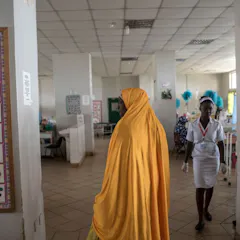
There are four practical policy shifts that the Nigerian government could take to improve the use of maternity services.

Preventing unintended pregnancies among women living with HIV is a critical strategy for the prevention of mother-to-child HIV transmission.

New research reveals a deepening crisis in prenatal health as geography and income increasingly dictate whether a mother can meet her basic nutritional needs.
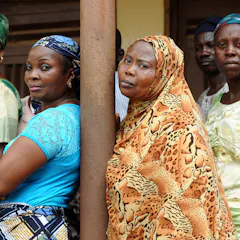
Unequal access to contraception poses risks to reproductive-age women, families and Nigeria’s development.
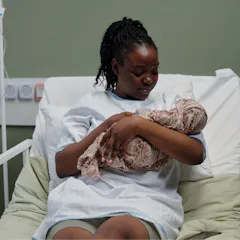
Central Hillsborough Healthy Start offers a model of community care that helps to prevent premature births.
Top contributors
-

Professor of Child Public Health, Swansea University
-
Professor of Midwifery, Associate Dean Research and HDR, Midwifery Discipline Leader, Western Sydney University
-
Research scientist, African Population and Health Research Center
-
Senior lecturer, York St John University
-
Professor of Obstetrics & Gynaecology, Griffith University
-
Associate professor, London School of Hygiene & Tropical Medicine
-
Research Scientist, African Population and Health Research Center
-
Associate professor, University of California, San Francisco
-
Research Fellow, University of Bergen
-
Vicki Flenady is a Friend of The Conversation.
Professor, Mater Research Institute; Director, Centre of Research Excellence in Stillbirth, The University of Queensland
-
Director of the Perinatal Mental Health Project; Associate Professor, University of Cape Town
-
Honorary Associate Professor, Australian National University
-
Caroline Homer is a Friend of The Conversation.
Deputy Director (Gender Equity, Diversity and Inclusion), Burnet Institute
-
Professor of Human Immunology, Swansea University
-
Research Assistant Professor of Maternal and Child Health, Texas A&M University