

Tiny geolocators measure light levels and atmospheric pressure to reveal the migrations of small songbirds – including the yellow-rumped warbler, also known as a butter-butt – in unprecedented detail.
Articles on Migratory birds
Displaying 1 - 20 of 50 articles
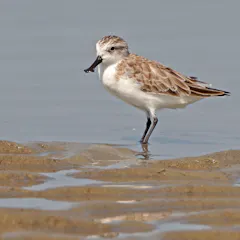
A new global assessment of the world’s migratory species finds reason for alarm, but also hope – and a road map for helping them survive.

Road counts over 16 years revealed declines in populations of birds of prey in South Africa.

To protect wildlife, pets, farmed animals and people, lead ammunition needs to be replaced by non-lead alternatives everywhere.

Thousands of birds flying south for the winter stop off in Nigeria’s Hadejia Wetlands National Park. Researchers mapped the park, uncovering hundreds of species.

Understanding this migration is crucial. New developments proposed in Bass Strait, particularly offshore wind farms, may introduce challenges for migrating birds.

Millions of migratory birds are arriving on Australian shores this spring. Any one of them could bring the new, deadly strain known as H5N1. Extra government funding will help us prepare and respond.

Central America’s forests are critically important habitat for many forest birds, including endangered species. Narco-traffickers are cutting down trees, leaving birds with nowhere to go.
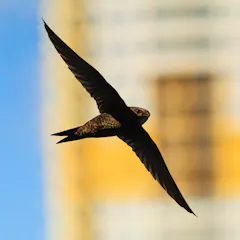
These birds are a harbinger of summer – but their arrival, and the seasons, are no longer predictable.

As climate change threatens their food supply, migratory birds may find help in an unlikely place.
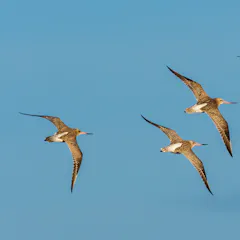
Wildebeest herds churning dust. Sturgeon seeking spawning grounds. Shorebirds flying from Siberia. These iconic animal migrations could soon be a memory.

A deadly strain of bird flu is circulating in animals. So far the virus has been detected in seabirds on islands near Antarctica. What does this mean for wildlife, tourism and research?

By adding stickers to glass walls and dimming lights, cities can be safer places for migrating birds.

Horseshoe crabs play a unique role in medicine, but they’re also ecologically important in their home waters along the Atlantic coast. Can regulators balance the needs of humans and nature?

The first sign of a new bird flu might be a dead seabird or marine mammal. Better surveillance of migratory birds and wildlife – and better public awareness – is crucial.
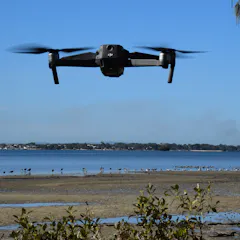
Drone use has increased dramatically, but what effect will this have on our endangered shorebirds? New research shows the eastern curlew is easily startled, prompting others to take flight.

From September onwards, migratory birds will arrive on Australian shores. If one is carrying the lethal bird flu, it could devastate our birdlife

Machine learning may not seem to have much connection with wildlife, but it’s starting to play a central role in bird conservation.
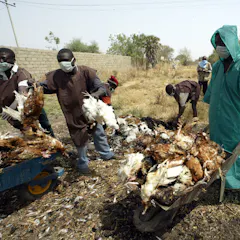
Bird flu has been recurring in Africa since 2006 and Nigeria is heavily affected. High-level biosecurity measures are required to keep people and animals safe.

Avian influenza viruses have evolved to infect birds, but the current H5N1 outbreak is also infecting a wide range of mammals. This suggests that it could mutate into forms that threaten humans.
Top contributors
-

Professor of Natural Resources and the Environment, Cornell University
-
Professor in Biodiversity and Conservation, The University of Queensland
-
Professor of Biology, Clarkson University
-
Professor of Animal Behaviour, Bangor University
-
Postdoc, University of Konstanz
-
Senior research fellow, The University of Melbourne
-
Associate Professor of Veterinary Medicine, Iowa State University
-
Professor, Biodiversity Informatics, University of Cape Town
-
Ph.D. student in Ecology, Colorado State University
-
Adjunct Professor, School of Environment and Sustainability, University of Saskatchewan
-
Research assistant, The University of Queensland
-
Assistant Professor, Department of Biology; Canada Research Chair Tier 2 in Global Change Biology, Concordia University
-
Assistant professor, University of Guelph
-
Associate Research Professor of Wildlife Conservation, Penn State
-
PhD Candidate, University of Cambridge