

As concern about plastic pollution mounts, the federal government is revising its standards for calling products recyclable. A recent fine against Keurig could be a sign of things to come.
Articles on Municipal solid waste
Displaying all articles

New research shows that Americans may have absorbed public messaging about the importance of recycling too well.

Humans generate a lot of trash, but there are cheaper and safer ways to handle it than loading it on rockets.
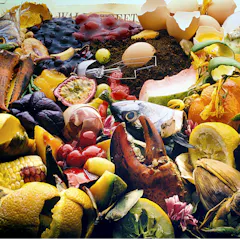
Reducing food waste at home is an action that anyone can take to help slow climate change, often saving money in the process. More consumer education could help show people what to do.
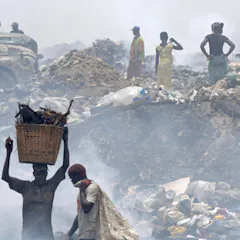
Employing children as waste pickers lowers costs but exposes them to hazards.

Nigeria must adopt a multi-pronged approach to address its flooding menace and minimise the effects.

Priority should be given to improving municipal solid waste management in First Nation communities because they currently lack financial resources, infrastructure and solid waste diversion programs.
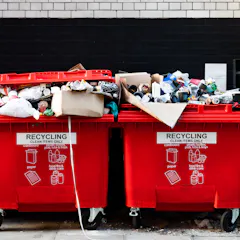
Tossing something into your recycling bin that can’t be processed does more harm than good.

When governments want people to do less of something, one way to make that happen is to charge them for doing it. That’s the idea behind pay-as-you-throw waste policies.

Volcanoes might seem like nature’s incinerators, but using them to burn up trash would be dangerous and disrespectful to indigenous people who view them as sacred.

Maine and Oregon have enacted laws that require makers of consumer product packaging to pay for recycling or disposing of it. Will other states follow?

Batteries power much of modern life, from electric and hybrid cars to computers, medical devices and cellphones. But unless they’re made easier and cheaper to recycle, a battery waste crisis looms.

Pandemic precautions have given new life to disposable plastic products, which the industry claims are more ‘hygienic’ than reusables. But critics say there’s no scientific evidence this is so.

The COVID-019 pandemic has boosted use of disposable packaging and personal protective equipment, at the same time that many recycling programs are facing budget cuts. The upshot: More plastic trash.

Government agencies have detailed plans for responding to disasters, like the Dec. 10-11, 2021 tornados. But one issue doesn’t get enough attention: cleaning up the mess left behind.

Every year the US burns more than 34 million tons of garbage in incinerators. These plants are major pollution sources, and most are clustered in disadvantaged communities.

The internet makes it easier for discarded stuff to land in someone else’s home instead of the dump.

Incineration of household waste has gotten a bad name, argues an economist, who sees today’s recycling crisis as an opportunity to reconsider how the U.S. handles its waste.
Top contributors
-

Professor of Global Environmental Politics, University of California, Berkeley
-
PhD Candidate in Environmental Science, Policy, and Management, University of California, Berkeley
-
Associate Professor of Engineering and Co-Director, Convergent Behavioral Science Initiative, University of Virginia
-
Professor of Materials Science and Engineering, University of Michigan
-
Research Geologist, U.S. Geological Survey
-
Professor of Agricultural, Environmental, and Development Economics, The Ohio State University
-
Assistant Professor of Environmental Policy and Sustainability Management, The New School
-
Professor and Director of the Institute for Water Research, Rhodes University
-
Founder, KnoxFill, University of Virginia
-
Assistant Professor of Engineering, University of California, San Diego
-
Professor of Urban Engineering, University of Illinois Chicago
-
Assistant Professor, Florida A&M University-Florida State University College of Engineering, Florida State University
-
PhD Candidate in Macromolecular Science and Engineering, University of Michigan
-
Assistant Professor, Aboriginal and Northern Studies, University College of the North
-
Professor of Public and Environmental Affairs, Indiana University