

The problem is that communities who continue to be most affected by the violent past have not been involved in negotiations.
Articles on Namibia
Displaying 81 - 100 of 215 articles
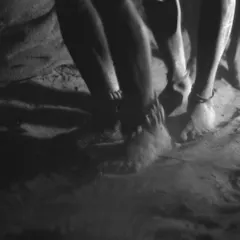
The moth cocoons are the first archaeological evidence of shamanic ritual paraphernalia in southern Africa.

Africans are stereotyped as having no regard for time and timing. This is a myth.

Studying these deposits gives scientists information about how past environments change. That, in turn, gives us informed estimates on how climates and environments will change in the near future.
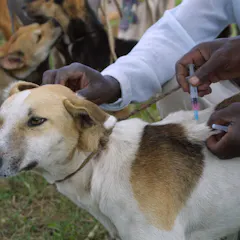
Domestic dogs have been shown to be the only species necessary to maintain rabies across most of Africa. This means that dog vaccination should control the disease in all species.
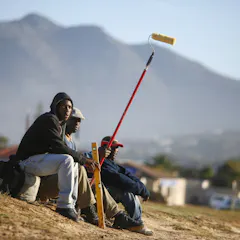
Recent developments in the organisation of production have led to the decline of wage employment across much of the world.

The controversy over female athletes being tested for testosterone levels is not just a contested scientific issue but also one of human rights.
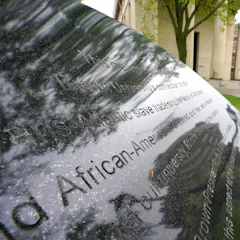
From Germany to Georgetown, the Global North has a lot to learn about reckoning successfully with past human rights wrongs.

The Malawi court’s decision provides a roadmap for future challenges to the death penalty in other southern African countries.
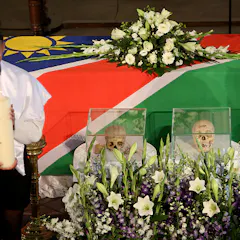
German’s commitment of €1.1bn for development projects in Namibia over 30 years is too cheap a price to pay for remorse.

Without reliable, local and timely data, countries will miss the potential of sugar-sweetened beverage taxation as a public health intervention.
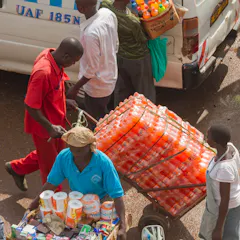
Implementing a sugar-sweetened beverage tax in all African countries will require sufficient political will and support from civil society.

The escalation of the liberation wars across the subcontinent had an important impact on the beer industry.
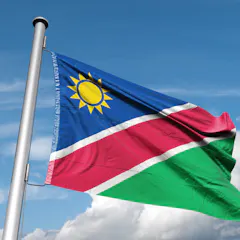
The November 2020 local and regional elections have indeed put Namibia’s political culture at a crossroads.
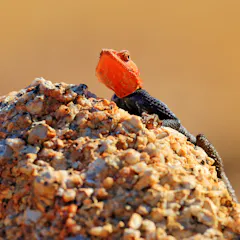
By eliminating the less fit individuals over time, predation can drive the population to increasing fitness in terms of survival and reproductive success.
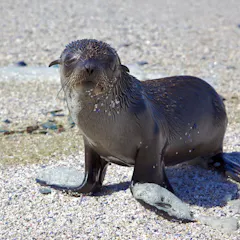
CC BY-NC-ND8.99 MB (download)
Researchers are looking into why around 5,000 Cape fur seals were found dead on Namibia's coast.
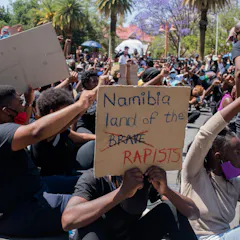
The protests carried on for days and continue to simmer in a country whose social fabric has been torn by toxic masculinity and a violent colonial past.
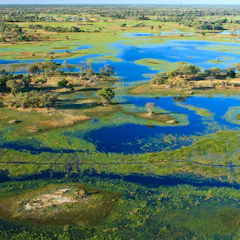
Fracking in Botswana could have an impact not only the country’s groundwater, but also that of Namibia and South Africa.

Locust outbreaks are driven by unusual climatic conditions.
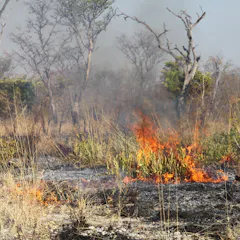
Understanding fire history is crucial to designing effective fire management in order to maintain biodiversity and support the livelihoods of people.
Top contributors
-

Extraordinary Professor, Department of Political Sciences, University of Pretoria
-
Professor in Political Science, Arnold Bergstraesser Institute
-
Emeritus Professor, University of Cape Town
-
Visiting Professor, University of Kent
-
Professor of Anthropology, University of the Western Cape
-
Director of African Climate and Development Initiative, Professor in Environmental and Geographical Science, University of Cape Town
-
Researcher in TESOL & Language Literacy Education, University of Notre Dame Australia
-
Senior Lecturer, North-West University
-
Postdoctoral fellow, Johns Hopkins University
-
Professor and Programme Director, SA MRC Centre for Health Economics and Decision Science - PRICELESS SA (Priority Cost Effective Lessons in Systems Strengthening South Africa), University of the Witwatersrand
-
Afrobarometer Senior Analyst/Methodologist, University of Cape Town
-
Yarik Turianskyi is Manager of the Governance and African Peer Review Mechanism Programme at the South African Institute of International Affairs and guest lecturer in African Governance and Eastern European Politics, University of Pretoria
-
Research Fellow, Stockholm Environment Institute
-
Professor of International Human Rights Law, SARChI Chair in International Constitutional Law, University of Pretoria
-
Senior research scientist, Stellenbosch University