

Scientists are exploring light-activated nanoparticles to kill biofilms in stored drinking water, aiming to make household water safer in South Africa.
Articles on Nanoparticles
Displaying 1 - 20 of 61 articles

Tiny particles bounce light around in a unique way, a property that researchers are using to detect pollutants in water and soil samples.

In South Africa, discarded pineapple leaves can now be turned into a low-cost, eco-friendly solution for both cleaning polluted water and forensics.
Moving tiny particles through materials quickly can improve the efficiency of a variety of technologies.

Breweries nationwide create waste at several stages of the beer-making process. Repurposing parts of this waste could improve antibacterial drugs.
The technique represents a new way of thinking about Alzheimer’s treatment.
Whether titanium dioxide is carcinogenic has become a battle in the courts. But it’s a complex scientific question with no firm answer.
As it does with other pathogens, your immune system sees drugs as foreign invaders to be expelled from your body. But exploiting this process could reduce the side effects of chemotherapy.

Researchers compared the environmental footprints of several techniques used to make magnetic nanoparticles.
Fire is being used to create the nanoparticles used in the many important nanotechnologies — from solar cells to medical imaging contrast agents.
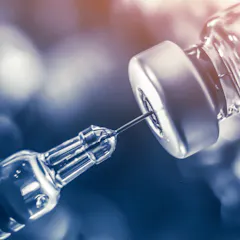
A new type of vaccine using nanotechnology protects against a range of coronaviruses – in mice.
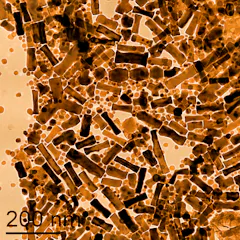
Nanoparticles can help address a dependency on platinum — a rare and expensive material — to generate clean power.
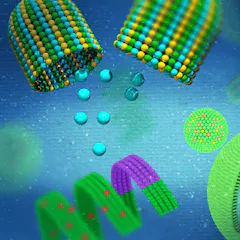
Nanoparticles have contributed to profound medical advances like the COVID-19 vaccine, but without oversight, they pose ethical and environmental issues.

Cardiovascular disease and cancer share many parallels in their origins and how they develop. Nanoparticles offer one potential way to effectively treat both with reduced side effects.
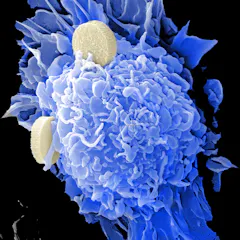
The proteins that cover nanoparticles are essential to understanding how they work in the body. Across 17 proteomics facilities in the US, less than 2% of the identified proteins were identical.
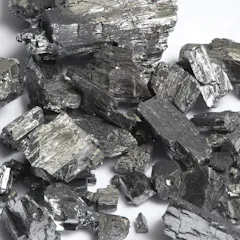
Tellurium is a critical mineral for renewable energy – but little is known about its environmental effects and how it circulates in the wild.
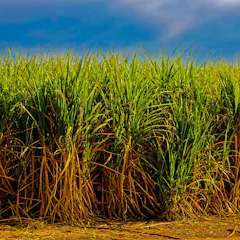
There are ‘jewels’ among the piles of ash that remain once sugarcane’s fibrous material is burned.
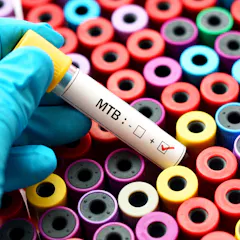
As antibiotics lose their power to treat some forms of TB, interest in the antibacterial powers of curdlan is rising.
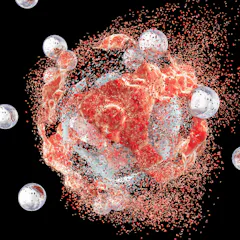
The COVID-19 mRNA vaccines put nanomedicine in the spotlight as a potential way to treat diseases like cancer and HIV. While the field isn’t there yet, better design could help fulfill its promise.
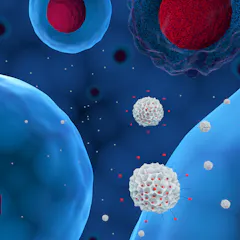
Some vaccine hesitancy is based on a fear of the nanoparticles used in mRNA vaccines. But humans have been interacting with nanoparticles for millennia, and we use nanotechnology-based devices every day.
Top contributors
-

Professor of Advanced Technology Transitions, Arizona State University
-
Associate Professor, Pharmaceutical Sciences, University of the Western Cape
-
Postdoctoral Fellow, Nanotechnology, Carleton University
-
Professor & Chair in Air Quality and Health; Founding Director, Global Centre for Clean Air Research (GCARE), Co-Director, Institute for Sustainability, University of Surrey, University of Surrey
-
Associate Professor of Immunotoxicology; Co-ordinator of Nanosafe Australia and Asia Nano Safe research networks, RMIT University
-
Soil Scientist, Australian Centre for International Agricultural Research
-
Postdoctoral fellow, University of South Africa
-
Doctoral Student in Biochemistry, University of Washington
-
Lecturer in Robotics, University of Bristol
-
Postdoctoral research assistant, University of Sheffield
-
PhD candidate, UNSW
-
PhD Candidate in Chemistry, McGill University
-
Professor of Engineering Science, University of Oxford
-
Senior Lecturer in Pharmacology, Adelaide University
-
Professor of Chemical Engineering and Chemistry, University of Sheffield