

The honeybee-killing Varroa mite is marching across the country, as two experts explain.
Articles on Nectar
Displaying all articles
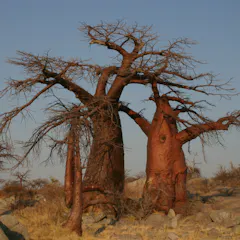
New research shows that baobab tree flowers have adapted to meet the needs of either bats or moths, and without these creatures, the trees will not survive.
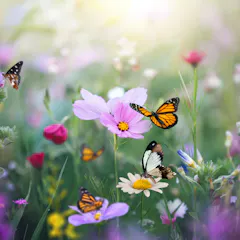
Uniquely colored flowers with big blooms might make for an aesthetically pleasing garden, but they can be unhelpful to pollinators. Careful consideration can help you plan a colorful and eco-friendly garden.

Ritual bathing at the confluence of large rivers has long held special significance in Hindu rituals. Sangam, where the Ganga and Yamuna are believed to meet the fabled Saraswati, is the most revered.
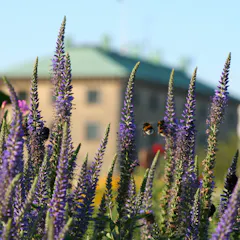
A biologist explains what to focus on if you’re designing a garden with pollinators in mind − and what you don’t need to worry about.
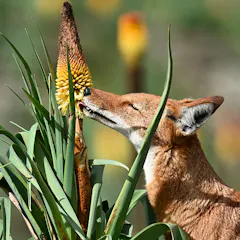
The Ethiopian wolf – Africa’s most endangered carnivore – has been found feeding on nectar.
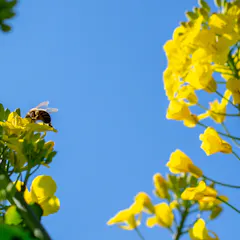
Our research shows this idea is likely to benefit bees more in summer than in spring.
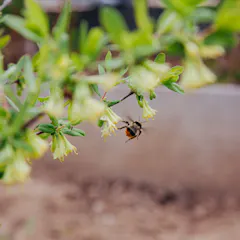
Up to 85% of the nectar available to pollinating insects in a city comes from gardens. What we plant – whether in an allotment or a window box – can make a huge difference.
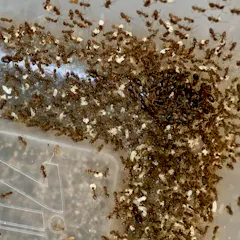
The spread of tawny crazy ants may be driven, in part, by their need for calcium. The calcium-rich limestone bedrock of the lower U.S. Midwest may provide ideal conditions for populations to explode.
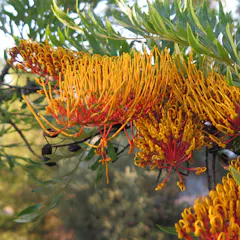
Silky oaks, or Grevillea robusta, are in bloom. These hardy, attractive trees light up the sky in late spring – but handle with care.
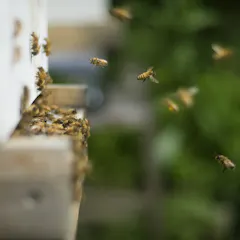
New research suggests individual bees are born with one of two learning styles – either curious or focused. Their genetic tendency has implications for how the hive works together.
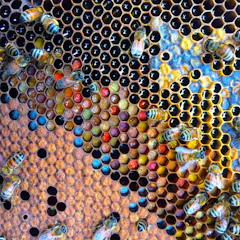
A single colony of bees can have 60,000 bees in it. Together, they can visit up to 50 million flowers each day to collect pollen and nectar. They’re not called ‘busy bees’ for nothing!
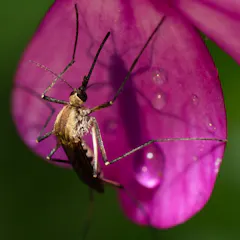
Mosquitoes have intricate and essential relationships with plants. Understanding their important work as pollinators would help to understand their role in different ecosystems.
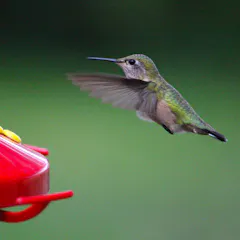
How do hummingbirds drink sugary nectar and not get sick? Don’t they need a balanced diet to stay healthy? Do they eat anything else?
Top contributors
-

Lecturer and Director - Bees for Sustainable Livelihoods, Southern Cross University
-
PhD Candidate in Community Ecology, University of Bristol
-
Teaching Assistant and Ph.D. Candidate of Ecology, University of Dayton
-
Postdoctoral Fellow, Department of Zoology, University of British Columbia
-
Professor of Ecology, University of Bristol
-
Associate Professor in Ecology, Northumbria University, Newcastle
-
Assistant Professor in Biology, Marquette University
-
Research Biologist at Intermountain Bird Observatory, Boise State University
-
Senior Research Associate, School of Agriculture, Food and Ecosystem Sciences, The University of Melbourne
-
Postdoctoral research associate, University of Sussex
-
Emeritus Professor of Apiculture, University of Sussex
-
Postdoctoral Researcher, Ethiopian Wolf Conservation Programme, University of Oxford
-
Assistant Professor of Ecology and Evolutionary Biology, University of Tennessee
-
Professor of History, University of California, Davis
-
Assistant Professor of Ecology & Evolutionary Biology, University of Tennessee; Smithsonian Institution