

Most of the heat from global warming ends up in the oceans, not the atmosphere.
Articles on Ocean warming
Displaying 1 - 20 of 92 articles
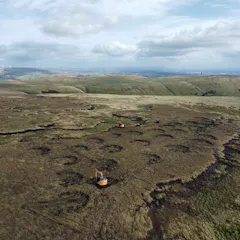
A new project is transforming badly affected peatlands from dark moonscapes to vibrant green moss-scapes.

New research shows tides influence how ocean heat is transported under Antarctica’s floating ice shelves, changing the energy available to melt the ice from below.

Over summer, several big jellyfish blooms were sighted in southern Australian waters. What might be behind these swarms?
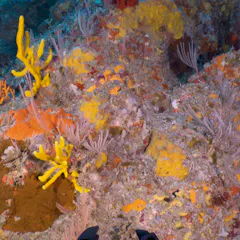
A new study challenges a common assumption that deeper marine ecosystems act as refuges which could reseed damaged shallower reef systems.
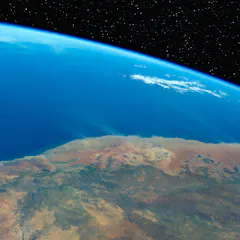
500 million years of fossils reveal how ‘escape routes’ along coastlines can decide who survives climate change.
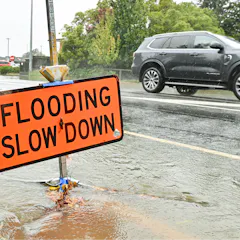
Understanding what is happening deep beneath the ocean surface is key to understanding the weather patterns we are experiencing on land.

There could be an irreversible retreat of parts of the ice sheets, raising sea levels much faster than currently planned.

The link between feeding and breeding makes whales a living barometer of ocean health.

Fish will follow the plankton.

As oceans warm, tropical fish are on the move, heading south into cooler waters. New research reveals how they are getting on with the fish they encounter there.

New research explores the wide-ranging consequences of record low summer sea ice in Antarctica. From more ocean warming to extra icebergs, it’s bad news we must hear.

The ocean needs help – overfishing, pollution and climate change are serious problems. Individuals can take action to help.
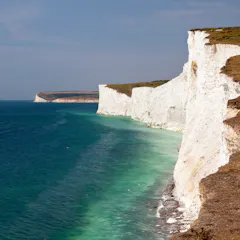
An ‘almost continuous’ marine heatwave state appears to be emerging around the UK.

A widely held view in ocean conservation asserts that parrotfish are key to healthy coral reefs. But evidence suggests that the relationship is more complicated.
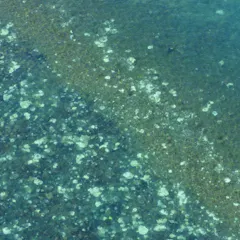
Warm, deeper water can shut down the ocean’s natural ‘air conditioner’, putting corals at even greater risk.

Oceans cover more than 70% of Earth’s surface, and their warming is gravely concerning. So how much is down to climate change?
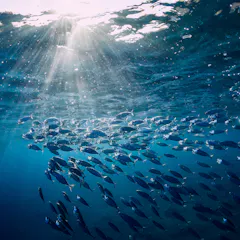
Climate change is heating up the ocean and marine species are starting to migrate in search of cooler water. This could throw ecosystems out of balance and disrupt fisheries, leading to a food crisis.
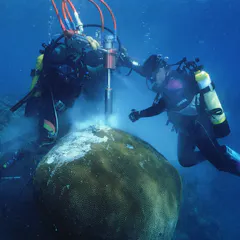
Our work shows the ocean around Fiji is the hottest it has been in at least the past 653 years.

The rise of ‘pyrokaryotes’ could reduce the availability of fish humans eat, and hamper the ocean’s ability to absorb carbon emissions.
Top contributors
-

Professor in Ocean Physics, University of Auckland, Waipapa Taumata Rau; Earth Sciences New Zealand
-
Professor of Marine Biology, Te Herenga Waka — Victoria University of Wellington
-
Climate Projections Scientist, CSIRO
-
Senior Climatologist, Australian Bureau of Meteorology
-
Lecturer in Marine Biology, Te Herenga Waka — Victoria University of Wellington
-
CEO and Scientific Director, Ocean Frontier Institute; Professor of Oceanography, Dalhousie University
-
Postdoctoral Researcher in Ocean and Climate, CSIRO
-
Professor, School of the Environment, The University of Queensland
-
Assistant Professor, University of Amsterdam
-
Professor in Marine Science, University of Otago
-
Professor of Civil Engineering and Director of the Beaty Water Research Centre, Queen's University, Ontario
-
Senior Marine Ecologist, Institute for Marine and Antarctic Studies, University of Tasmania
-
Director of the ARC Centre of Excellence for Our Future Oceans and Scientia Professor in Oceanography, UNSW
-
Distinguished Scholar, National Center for Atmospheric Research; Affiliate Faculty, University of Auckland, Waipapa Taumata Rau
-
ARC Future Fellow and Associate Professor in Climate Science, ARC Centre of Excellence for 21st Century Weather, The University of Melbourne