
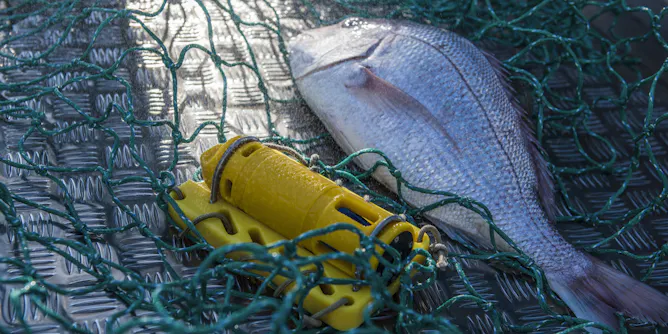
We know the oceans are warming, but we have fewer measurements in coastal waters where most fisheries and aquaculture operate. Now the fishing industry is helping scientists to track the changes.
Articles on Ocean warming
Displaying 41 - 60 of 92 articles
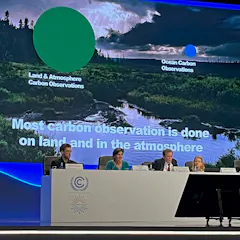
COP27’s agreement on observing the oceans sets a strong foundation for policymakers to invest in internationally linked observation that will help countries better monitor these carbon sinks.
There is only a single mooring managed by French researchers that monitors the impacts of climate change on West African Canary Current.

Hurricane Fiona is the most devastating storm to hit Atlantic Canada. International collaboration between ocean measurement institutions is necessary to help efficiently plan responses to hurricanes.

Hurricanes don’t usually maintain high wind speeds as they make their way toward Atlantic Canada. But ocean warming may be linked to the increasing intensity of storms like Fiona.
Southern Ocean heat uptake accounts for almost all the planet’s ocean warming, thereby controlling the rate of climate change.
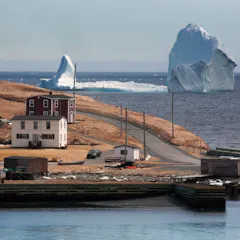
Between zero and 2,000 icebergs reach Newfoundland each spring, but the warming climate could see an end to Iceberg Alley.
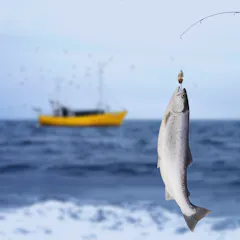
Successful management of shared fish stocks depends on countries’ collaborative efforts and adaptation to a changing world.
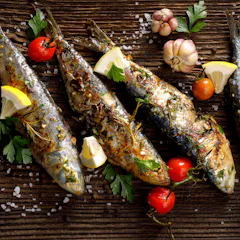
As the ocean temperature rises, many marine species are moving toward the north and south poles in search of cooler waters, thus rewriting the menus of seafood restaurants on the West Coast of Canada.
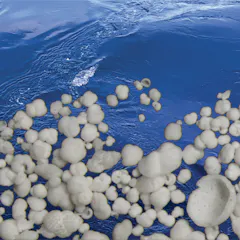
Tiny seashells draw carbon to the ocean floor when they die. This is the most significant geological process of carbon storage today, and it might increase in a warmer world, as it did in the past.
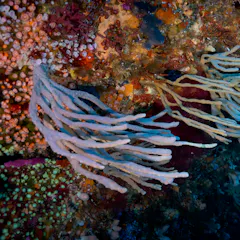
Sponges are ancient marine animals and have already shown robustness against stresses from climate change. New research now shows they can also tolerate low-oxygen conditions.
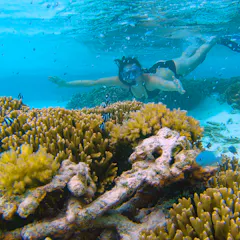
We need new experiments to model Earth’s climate if global warming is stabilised at 1.5°C. A new paper explains why.
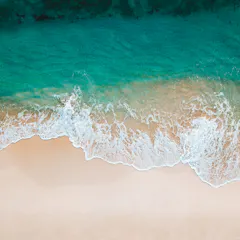
The ocean has been buffering us from the impacts of climate change, but it is reaching the limit of this capacity. Integrating ocean and climate policy will be crucial.
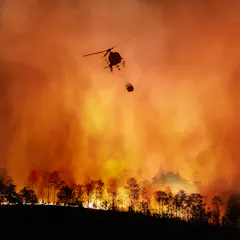
How scientists are improving their understanding of the connection between extremes and climate change – and what’s to come. Listen to The Conversation Weekly.
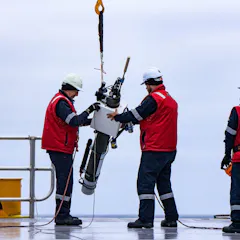
A new analysis, using 15 years of autonomous underwater measurements and simulations from the latest global climate models, refined our estimate of future ocean warming and sea level rise.
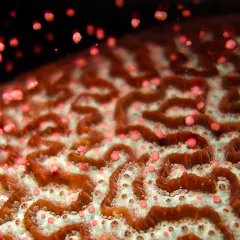
Corals in the Persian Gulf are tough - they can withstand temperatures that would kill corals elsewhere. And there’s good news: it’s easy to cross-breed their heat-tolerance genes into other corals.
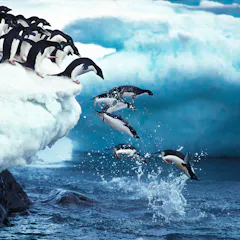
The latest IPCC report makes it clear we can no longer stop the seas from rising, but we can still control how much and how fast sea levels change.
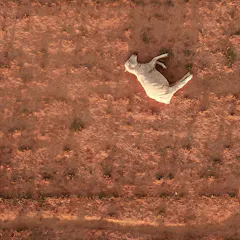
Australia may warm by 4°C or more this century, the IPCC has found. As these IPCC authors explain, there is no going back from some changes in the climate system.
The triple whammy of the moon’s wobble, sea level rise and more intense storms will bring worse tidal floods into coastal communities in the 2030s. This includes in Australia.

A study of 183 coral reefs worldwide quantified the impacts of ocean warming and acidification on reef growth rates. Even under the lowest emissions scenarios, the future of reefs is not bright.
Top contributors
-

Professor in Ocean Physics, University of Auckland, Waipapa Taumata Rau; Earth Sciences New Zealand
-
Professor of Marine Biology, Te Herenga Waka — Victoria University of Wellington
-
Climate Projections Scientist, CSIRO
-
Senior Climatologist, Australian Bureau of Meteorology
-
Lecturer in Marine Biology, Te Herenga Waka — Victoria University of Wellington
-
CEO and Scientific Director, Ocean Frontier Institute; Professor of Oceanography, Dalhousie University
-
Postdoctoral Researcher in Ocean and Climate, CSIRO
-
Professor, School of the Environment, The University of Queensland
-
Assistant Professor, University of Amsterdam
-
Professor in Marine Science, University of Otago
-
Professor of Civil Engineering and Director of the Beaty Water Research Centre, Queen's University, Ontario
-
Senior Marine Ecologist, Institute for Marine and Antarctic Studies, University of Tasmania
-
Director of the ARC Centre of Excellence for Our Future Oceans and Scientia Professor in Oceanography, UNSW
-
Distinguished Scholar, National Center for Atmospheric Research; Affiliate Faculty, University of Auckland, Waipapa Taumata Rau
-
ARC Future Fellow and Associate Professor in Climate Science, ARC Centre of Excellence for 21st Century Weather, The University of Melbourne