

Elective surgeries have been halted as part of the health system’s response to coronavirus. But many are unnecessary and shouldn’t be rescheduled after the pandemic ends.
Articles on Overtreatment
Displaying 21 - 40 of 41 articles

Last month, Australia announced a pause on all elective surgeries. This could have mixed effects now and in the longer term.

Just under one in six Australian women have PCOS but some are being diagnosed when they don’t meet the criteria.

New research estimates 24% of cancers in men that were detected in 2012 were overdiagnosed, meaning they never would have caused harm if left untreated.

Too often, pharmaceutical companies and device manufacturers exert influence in how their products are tested in the research phase and recommended in the clinic.

One in four Australians is overweight or obese by the time they reach adolescence, but it’s difficult to predict who is at risk. These three questions can help.

Rates of elective surgery are rising most among those aged over 85, due to advances in anaesthesia and techniques such as keyhole surgery. But it’s also much riskier.

New tests may mean more people are diagnosed, but that doesn’t mean they’ll be helped by the label or the treatment. Here are five markers that overdiagnosis may be occuring.
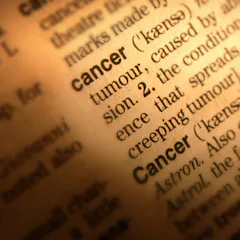
Labelling very low-risk conditions as cancers can cause unnecessary anxiety and lead to overtreatment.
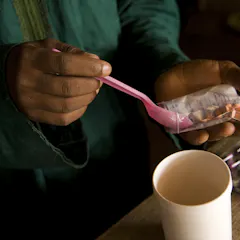
Despite tests which rapidly test for malaria being around for several years, overtreatment of malarial drugs still takes place in Africa.
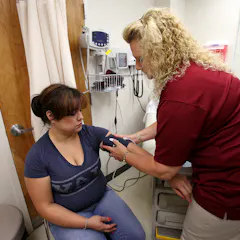
The creation of new “pre-conditions” is turning millions of people into patients across the globe.

Harm doesn’t just come in the form of side-effects or further testing. The “cons” of any treatment also include the costs, which can be financial, emotional, and the costs of the individual’s time.

The evidence suggests too much medicine is doing us harm, particularly when treating knee pain, back pain, chest pain and screening for prostate cancer.
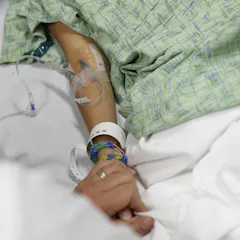
To avoid ineffective treatments, we need a new way to identify and reduce questionable care. A new Grattan Institute report shows how to do it.

By forgetting that medicine postpones death rather than saving lives, we persuade ourselves it might somehow keep extending our life and come to view death as a failure of medicine.
Not so long ago, getting an x-ray for acute back pain was the norm. And they are still used far more frequently than is necessary.
Across 38 years in tobacco control, I have been asked countless times in media interviews if I ever smoked. It’s often an early question. I always unhesitatingly explain that I did: I stopped in my mid…

“It might do me some good and it won’t hurt to give it a go.” How often have you heard a phrase like this? Most people have naïve optimism about medical care. That’s the finding of a systematic review…

A panel convened by medical journal BMJ to investigate whether it was right to correct rather than retract two pieces featuring a mistake about side effects from statins has endorsed the journal’s decision…

Anyone, it seems, can create an epidemic. Witness a recent article in the Fairfax papers that provides “startling” news about the large number of Australians with high cholesterol who don’t even know they…
Top contributors
-

NHMRC Emerging Leader Research Fellow, School of Public Health, University of Sydney
-
Professor of Clinical Epidemiology, Sydney School of Public Health, University of Sydney
-
Senior Research Manager, University of Sydney and Honorary Assistant Professor, Bond University
-
Professor of Public Health, University of Sydney
-
Professor of Orthopaedic Surgery, UNSW
-
Clinical Professorial Research Fellow, Australian Women and Girls' Health Research Centre, The University of Queensland
-
Professor of Medicine, Bond University
-
Professor of Clinical Epidemiology, Bond University
-
Honorary Enterprise Professor, School of Population and Global Health, and Department of General Practice and Primary Care, The University of Melbourne
-
NHMRC Emerging Leader Research Fellow in Reproductive Health, School of Public Health, University of Sydney
-
Professor of Public Health, Bond University
-
Associate Professor, Physiotherapy, University of Sydney
-
Senior Associate Vice President Community Health, Education and Training, Old Dominion University; Associate Professor of Pharmacy, University of Florida
-
NHMRC Emerging Leader Research Fellow, Institute of Musculoskeletal Health, University of Sydney
-
NHMRC Principal Research Fellow, Sydney School of Health, University of Sydney